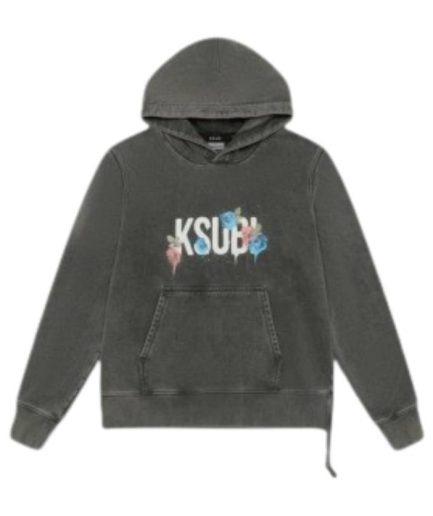
Introduction: The Rise of Ksubi Clothing
Ksubi isn’t just a brand you wear. It’s a personality you step into. When people put on a pair of Ksubi jeans, they’re not just choosing denim—they’re choosing an attitude, a lifestyle, a quiet rebellion that whispers, “I don’t follow the rules, I set them.” That’s the magic behind Ksubi’s rise from a small Australian label to a global lifestyle powerhouse. But how did a brand built on distressed denim and unapologetic streetwear reach this iconic status?
To truly understand the evolution of Ksubi Clothing, you have to step back into the early 2000s—a time before social media, before influencer marketing, before fashion trends changed at the speed of TikTok. In that era, fashion brands needed more than good designs to break through; they needed a vibe, something disruptive enough to shake the industry. Ksubi did exactly that.
The brand started with a group of Australian surfers who weren’t satisfied with the denim available on the market. They refused to follow the industry playbook. Instead, they embraced imperfection, destruction, rebellious silhouettes, and anti-fashion ideology. And somehow, this messy, disruptive approach resonated—first locally, then globally.
Over the years, Ksubi has transformed from a small creative label into a cultural movement. It evolved far beyond simple wardrobe staples and crafted an entire visual universe grounded in individuality. Today, wearing Ksubi isn’t about fitting into a trend—it’s about standing out without having to say a word.
In this deep-dive article, we’ll explore exactly how Ksubi made that transition—from fashion to lifestyle—and why the brand remains one of the most influential names in modern streetwear.
The Origins of Ksubi: A Rebel Brand Is Born
Ksubi began as something completely unpolished, unrefined, and unapologetically raw—and that’s exactly why it stood out. The story traces back to 1999 in Sydney, Australia, when a group of creative friends and surfers—Dan Single, George Gorrow, and Gareth Moody—became frustrated by the lack of denim available that truly represented their taste and lifestyle. Everything in stores felt too commercial, too clean, too predictable. They wanted something that captured their world: chaotic, expressive, and rooted in counterculture energy. So, instead of complaining about the fashion scene, they did something much more bold—they created their own brand.
At a time when the fashion industry leaned heavily toward polished, refined aesthetics, Ksubi intentionally broke away from the mold. Their approach wasn’t calculated in a corporate boardroom; it was created from a place of instinct and rebellion. They didn’t have an industry roadmap or financial backing from major investors. What they had was creativity, a daring vision, and an attitude that basically said, “We’re doing this our way.” This mindset set the foundation for what would eventually become an internationally recognized lifestyle brand.
What made Ksubi unique from the start was that it wasn’t just a fashion label built for consumption—it was an expression of the culture the founders lived in. They saw Ksubi Jeans as a medium, not a product. Their earliest denim pieces were handmade, distressed, and altered in ways that defied fashion norms. Imperfection wasn’t just accepted; it was celebrated. This stood in direct contrast to the sanitized, glossy fashion trends that saturated the market at the time.
Their early runway shows didn’t just showcase clothing—they created experiences. Whether it was releasing rats on the runway or staging chaotic, punk-inspired performances, Ksubi proved they weren’t here to follow industry rules. They were here to rewrite them. And that rebellion wasn’t just a gimmick; it built the foundation of the brand’s long-term identity.
This raw, fearless beginning is what captured the attention of the fashion world. People didn’t just see denim—they saw a movement, a challenge, an invitation to embrace individuality. From day one, Ksubi wasn’t about fitting in. It was about standing out, loudly and proudly.
The Early 2000s Fashion Landscape
To fully understand how revolutionary Ksubi’s emergence was, you have to look at the fashion climate of the early 2000s. This era was dominated by glossy pop culture imagery, low-rise denim, rhinestone-studded accessories, and ultra-polished silhouettes. Brands like Diesel, True Religion, and Ed Hardy were leading the denim scene with flashy designs and mass-produced looks that screamed “commercial.” Everything was bold, loud, and designed to appeal to as wide an audience as possible.
Streetwear culture wasn’t what it is today. It existed, but in pockets—skate culture, surf culture, hip-hop fashion—but it hadn’t yet merged into mainstream luxury fashion the way it is now. The attitude of the time leaned toward blending in rather than standing out. Brands wanted to be safe, stable, and traditional. That left a huge gap in the market for something raw, something disruptive, something that embraced the imperfect edges of youth culture.
This is the world Ksubi entered—one that desperately needed shaking up. People were craving authenticity but didn’t know how to find it. Fashion felt curated, controlled, and overly polished. And in walked Ksubi, a brand that didn’t care about fashion rules or industry norms. They didn’t come to appeal to everyone; they came to resonate with the ones who dared to be different.
Ksubi offered a visual language that contrasted everything around it—distressed denim instead of perfect seams, oversized silhouettes instead of tight low-rise jeans, grunge-inspired textures instead of shiny embellishments. Their presence wasn’t just an alternative; it was a rebellion against the entire fashion system.
This context is what helped Ksubi transform from a local Australian label into a game-changer. They didn’t just enter the fashion scene—they disrupted it. And the timing couldn’t have been more perfect. Read More....

 English
 Arabic
 French
 Spanish
 Portuguese
 Turkish
 Dutch
Dutch
 Italiano
 Russian
 Romaian
 Portuguese (Brazil)
 Greek
Greek