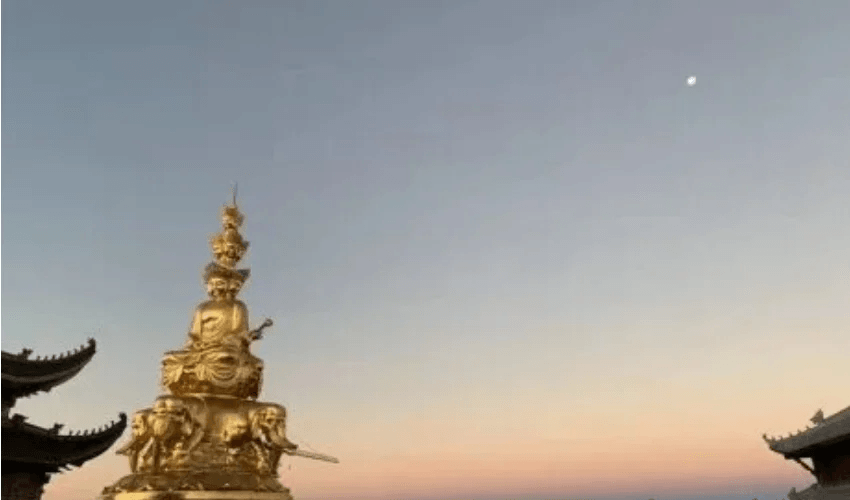
Mount Emei is one of the most iconic destinations in China, standing as a testament to both spiritual devotion and natural beauty. To ensure a seamless start to your adventure, identifying the best recommended travel routes from chengdu to mount emei is the most crucial step. The high-speed rail service from Chengdu is the gold standard for efficiency, transporting travelers to Emeishan Station in just over an hour, where local transit links provide easy access to the mountain’s base.
Logistics for a Smooth Ascent
Once you have arrived at the base, navigating the mountain’s vast geography is made simple by a well-integrated system of eco-buses and cable cars. These services are designed to help visitors manage the steep vertical climb, allowing you to reach high-altitude areas like Leidongping without the exhaustion that would come from walking the entire distance. Understanding this infrastructure is essential for travelers who want to focus on the landmarks rather than the logistics of the climb.
Structuring Your Time for Maximum Discovery
A well-planned mount emei tourism itinerary allows you to balance the physical demands of the trek with the cultural enrichment offered by the mountain's historic sites. We suggest a two-day schedule: spend your first day exploring the serene forest trails and the lower monastery complexes, and dedicate your second day to the high-altitude experience at the Golden Summit. This approach allows you to appreciate the shifting scenery and spiritual atmosphere without feeling pressured to rush through the sacred sites.
Planning Your Path Through the Mountain
With several tourist routes on mount emei available, it is important to choose one that fits your fitness level and interests. While the complete trekking path is a feat for dedicated mountaineers, many visitors opt for a hybrid route that uses the eco-bus to cover the lower stretches before embarking on a shorter, high-altitude hike. Choosing the right path ensures you see the diverse ecosystems and temple architecture that make this mountain a unique UNESCO World Heritage site.
Essential Climate and Packing Advice
The mountain’s micro-climate is notoriously variable. As you ascend, the temperature will drop significantly, and mists can appear suddenly. To remain comfortable, always pack layers—a moisture-wicking base layer, an insulating mid-layer, and a wind-resistant shell. High-quality, non-slip footwear is absolutely necessary, as the stone stairs can become slippery. Keeping your backpack light, with just the essentials like water, snacks, and a portable battery, will help you maintain your energy on the path.
Navigating Local Wildlife
Mount Emei is home to a population of wild macaques that are as famous as they are mischievous. While they are a fascinating aspect of the mountain's natural life, they are entirely wild and accustomed to food-carrying tourists. To ensure a safe visit, keep all food items securely hidden in your bag and avoid trying to feed or interact with them directly. Keeping your distance is the best way to enjoy observing them while protecting your personal belongings.
Sustainability and Pilgrimage Etiquette
As you traverse this ancient landscape, please remember to honor its status as a site of long-standing religious tradition. Speak softly when near temple buildings, respect the prayer areas, and ensure you do not leave any waste behind. By following these simple principles, you contribute to the preservation of the mountain’s spiritual and ecological integrity, ensuring that it remains a place of peace for everyone who visits.
Conclusion
Mount Emei is a destination that offers far more than just a hike; it is an opportunity to slow down and connect with a landscape steeped in history and quiet contemplation. By thoughtfully planning your route, respecting the local wildlife, and keeping your gear practical, you ensure that your trip is both comfortable and deeply rewarding. Whether you are seeking the first light of day from the Golden Summit or the serenity of a quiet forest temple, the journey is sure to leave you with lasting memories.
Frequently Asked Questions
What is the best way to avoid the largest crowds? The most effective way to avoid peak crowds is to arrive at the base of the mountain as early as possible and avoid visiting during Chinese public holidays, when domestic tourism surges.
Is it safe to hike alone? The main trails are well-marked and heavily trafficked, making them generally safe for solo travelers. However, always inform your hotel or a contact person of your planned route.
What is the significance of the "Sea of Clouds"? The Sea of Clouds is a meteorological phenomenon where mist gathers in the valleys below the peaks, creating an ocean-like effect. It is most commonly visible from the Golden Summit after a period of light rain.
Can I pay for services with my phone on the mountain? Digital payments are widely accepted at shops and ticket counters, but it is wise to carry some cash for remote monastery offerings or small stalls where signal strength might be low.
How can I prepare for the descent after visiting the summit? The descent can be harder on your knees than the ascent. Utilize the cable car for the initial drop from the Golden Summit, and if you are tired, prioritize the shuttle bus system over walking the lower stairs.
Is there a specific time of day when the summit is least crowded? The Golden Summit is generally quieter in the late afternoon, once the main groups of sunrise-seekers have descended, or during the early evening hours just before the last cable cars leave.

 English
 Arabic
 French
 Portuguese
 Deutsch
 Turkish
 Dutch
Dutch
 Italiano
 Russian
 Romaian
 Portuguese (Brazil)
 Greek
Greek