The fitness technology industry has experienced unprecedented growth in recent years, with more individuals seeking digital solutions to support their health and wellness goals. Advanced fitness applications have evolved far beyond simple step counters and calorie trackers, now offering sophisticated personalization capabilities that adapt to individual user needs, preferences, and progress. This transformation has created new opportunities for businesses to deliver meaningful value through intelligent, data-driven fitness solutions.
The Evolution of Personalized Fitness Technology
Personalized workout applications represent the convergence of artificial intelligence, data analytics, and user-centric design. These applications leverage machine learning algorithms to understand user behavior patterns, fitness levels, and goals, creating customized workout plans that evolve with the user's progress. Unlike generic fitness programs, personalized solutions account for individual constraints such as available equipment, time limitations, physical capabilities, and specific objectives.
Modern fitness app development services focus on creating adaptive systems that respond to user feedback in real-time. Whether a user reports difficulty with an exercise, achieves a milestone earlier than expected, or experiences a plateau, intelligent applications adjust recommendations accordingly, ensuring continuous engagement and progress toward goals.
Core Components of Advanced Fitness Applications
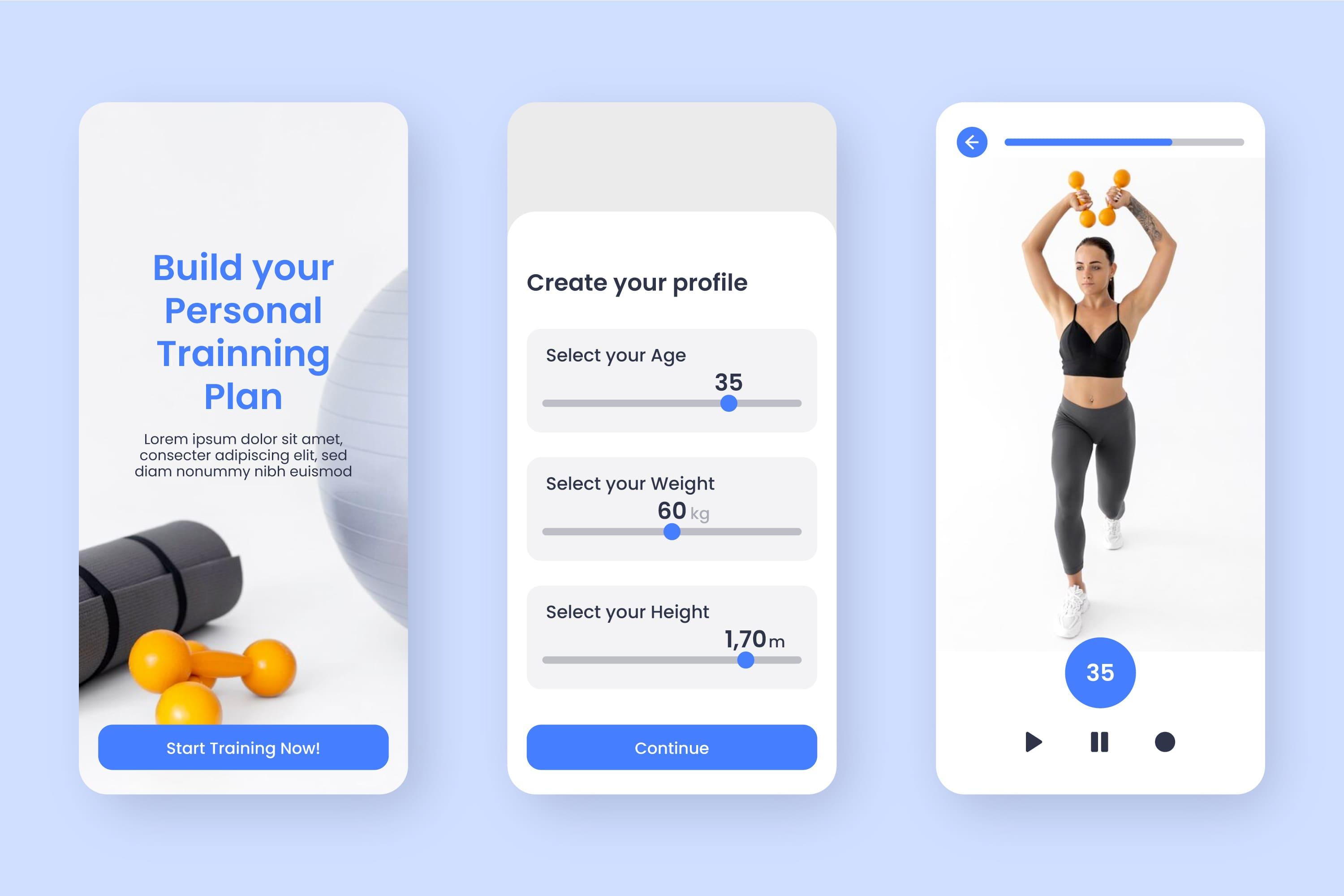
Successful personalized fitness applications incorporate several essential components working in harmony. User profiling systems gather comprehensive information about fitness levels, medical history, preferences, and goals through intuitive onboarding processes. This foundational data enables the application to generate appropriate baseline recommendations and set realistic progression paths.
Exercise libraries form the content backbone of fitness applications, containing detailed demonstrations, instructions, and modifications for diverse exercises. Professional fitness app development services ensure these libraries are comprehensive, well-organized, and accessible, often incorporating high-quality video content, anatomical illustrations, and safety guidelines.
Workout generation engines utilize sophisticated algorithms to create balanced, progressive workout plans. These systems consider factors such as muscle group recovery, exercise variety, progressive overload principles, and periodization concepts to design effective training programs. Advanced applications also incorporate rest day recommendations, active recovery suggestions, and deload periods to prevent overtraining and optimize results.
Artificial Intelligence and Machine Learning Integration
Artificial intelligence has become a cornerstone of advanced fitness applications, enabling unprecedented levels of personalization and adaptation. Machine learning models analyze user workout data, completion rates, feedback, and progress metrics to continuously refine recommendations. These systems identify patterns that might indicate injury risk, burnout, or suboptimal programming, allowing proactive adjustments before problems arise.
Computer vision technology enables form analysis features, where applications can assess exercise technique through smartphone cameras and provide real-time feedback. This capability bridges the gap between having a personal trainer and working out independently, helping users maintain proper form and reduce injury risk.
Natural language processing allows users to interact with fitness applications conversationally, asking questions about exercises, requesting workout modifications, or seeking nutrition advice. This conversational interface makes fitness app development services more accessible and user-friendly, particularly for individuals new to fitness or technology.
Personalization Algorithms and Data Analytics
The effectiveness of personalized workout applications depends heavily on sophisticated personalization algorithms. These systems process multiple data streams including workout completion rates, performance metrics, user feedback, biometric data, and even external factors like sleep quality and stress levels to generate optimized recommendations.
Progressive overload algorithms ensure users continually challenge themselves appropriately, automatically adjusting weights, repetitions, sets, or exercise difficulty based on performance trends. Plateau detection mechanisms identify when users stop making progress and implement strategic variations to reignite adaptation.
Adaptive scheduling features account for real-world constraints, adjusting workout timing and duration based on user availability, energy levels, and recovery status. If a user frequently skips evening workouts but completes morning sessions consistently, the application learns this pattern and adapts recommendations accordingly.
Integration with Wearable Devices and Sensors
Modern fitness applications seamlessly integrate with wearable devices, fitness trackers, and smart sensors to gather comprehensive data about user activity and physiology. Heart rate monitoring during workouts enables applications to ensure users train in appropriate intensity zones, maximizing effectiveness while maintaining safety.
Sleep tracking integration allows applications to consider recovery status when programming workouts. If a user experiences poor sleep quality, the application might recommend lighter training or additional rest, preventing counterproductive overtraining. Similarly, stress monitoring through heart rate variability measurements informs recovery recommendations and training intensity adjustments.
Professional fitness app development services implement robust data synchronization systems that aggregate information from multiple sources, creating comprehensive user profiles that inform increasingly accurate personalization. This holistic approach considers the user as a complete system rather than isolated data points.
Social Features and Community Engagement
While personalization focuses on individual needs, social features significantly enhance user engagement and adherence. Fitness applications increasingly incorporate community elements such as workout sharing, challenge participation, progress comparisons, and peer support systems. These features tap into social motivation, accountability, and friendly competition that drive long-term engagement.
Virtual training partners or buddy systems match users with similar goals and fitness levels, creating accountability relationships that improve adherence. Group challenges with leaderboards and achievement badges provide additional motivation layers, making fitness journeys more enjoyable and sustainable.
Trainer-client communication features enable professional fitness coaches to deliver personalized programming through applications, expanding their reach while maintaining personalized attention. This hybrid approach combines algorithmic efficiency with human expertise, delivering optimal results for users who value professional guidance.
Nutrition Integration and Holistic Wellness
Advanced fitness applications recognize that exercise represents only one component of comprehensive wellness. Nutrition tracking and meal planning features integrated with workout programs create synergistic approaches to health goals. Caloric needs adjust based on workout intensity and goals, while macronutrient recommendations align with training demands and objectives.
Meal suggestions account for dietary preferences, restrictions, and cultural considerations while supporting fitness goals. Some applications even integrate grocery shopping lists and recipe collections, removing friction from nutrition planning and execution.
Recovery optimization features including stretching routines, mobility work, and recovery activity suggestions complement workout programming. Sleep optimization tips, stress management techniques, and mindfulness exercises round out holistic approaches to fitness and wellness, acknowledging the interconnected nature of health factors.
User Experience and Interface Design
Exceptional user experience separates successful fitness applications from abandoned ones. Intuitive navigation ensures users quickly access workouts, track progress, and review recommendations without frustration. Clear visual hierarchies guide attention to important information while minimizing cognitive load during workouts when users need simple, accessible instructions.
Workout interfaces balance detail with simplicity, providing necessary information about exercises, sets, and rest periods without overwhelming users. Video demonstrations should be easily accessible, while timer functions, rest period tracking, and set logging should require minimal interaction during training sessions.
Progress visualization through charts, graphs, and achievement displays provides motivating feedback that reinforces adherence. Users should easily understand their trajectory toward goals, celebrate milestones, and identify areas requiring attention.
Technical Architecture and Scalability
Building advanced personalized fitness applications requires robust technical architecture supporting complex functionality while maintaining performance. Cloud-based backends enable sophisticated data processing, machine learning model training, and content delivery at scale. Microservices architectures allow independent scaling of different application components based on demand.
Real-time synchronization ensures workout data, progress updates, and recommendations remain current across devices. Offline functionality enables users to access workouts and track progress without internet connectivity, syncing data when connection resumes.
Security and privacy considerations are paramount when handling sensitive health data. Fitness app development services must implement encryption, secure authentication, and compliance with healthcare data regulations like HIPAA where applicable. Users must trust that their personal health information remains protected.
Monetization and Business Models
Sustainable fitness applications require viable business models supporting ongoing development and improvement. Subscription models provide recurring revenue supporting continuous feature development, content creation, and server infrastructure. Freemium approaches offer basic functionality freely while reserving advanced personalization features, additional content, or coaching services for paid subscribers.
One-time purchase models work for comprehensive programs with defined timelines, while in-app purchases enable users to access specialized content like sport-specific training plans or advanced features incrementally. Corporate wellness partnerships represent another revenue stream, with businesses providing employees access to fitness applications as wellness benefits.
Choosing the Right Development Partner
Selecting an experienced development partner is crucial for creating successful personalized fitness applications. Look for teams with proven expertise in fitness technology, machine learning implementation, and health data handling. Portfolio examples demonstrating sophisticated personalization capabilities and positive user reception indicate capability.
Technoyuga brings comprehensive expertise in developing advanced fitness applications that deliver exceptional personalization and user experiences. Their multidisciplinary team combines technical excellence with fitness industry knowledge, creating applications that effectively motivate users, drive results, and build lasting engagement.
Conclusion
Advanced personalized fitness applications represent the future of digital wellness, combining artificial intelligence, comprehensive data analytics, and user-centric design to deliver unprecedented value. By partnering with experienced fitness app development services, businesses can create sophisticated platforms that meaningfully impact users' health journeys while building sustainable competitive advantages in the rapidly growing fitness technology market. The continued evolution of personalization capabilities promises even more effective, engaging, and transformative fitness experiences in the years ahead.

 English
 Arabic
 French
 Portuguese
 Deutsch
 Turkish
 Dutch
Dutch
 Italiano
 Russian
 Romaian
 Portuguese (Brazil)
 Greek
Greek