Introduction: The Role of Sweeteners in Active Lifestyles
For people who lead active lifestyles, diet plays a crucial role in energy, performance, and recovery. Sweeteners, often thought of as indulgences, can actually be helpful when chosen wisely. Natural sweeteners are increasingly popular among fitness enthusiasts because they provide energy and nutrients without relying on artificial ingredients or refined sugars.
Using natural sweeteners in moderation can help maintain steady energy levels, improve endurance, and make healthy meals more enjoyable. Among these, certain options like stamina honey are particularly valued by athletes and fitness enthusiasts for their quick energy boost and nutrient content. When combined with whole foods and balanced meals, natural sweeteners can enhance performance and recovery.
Understanding Natural Sweeteners
Natural sweeteners come from plant or animal sources and are minimally processed. Unlike artificial sweeteners, which are chemically made, natural sweeteners provide more than just sugar—they often include vitamins, minerals, and antioxidants. Some common examples include honey, maple syrup, agave nectar, coconut sugar, and date syrup.
For a fitness-focused diet, natural sweeteners are often preferred because they provide quick energy while supporting overall nutrition. They can be used in meals, snacks, and beverages to maintain a healthy balance of taste and function.
Honey as a Fitness Fuel
Honey is one of the most popular natural sweeteners for people with active lifestyles. Its simple sugars—glucose and fructose—are quickly absorbed, providing a rapid source of energy. Honey also contains antioxidants and trace minerals that support overall health.
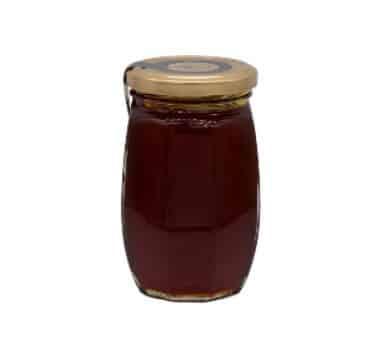
Certain types of honey, like stamina honey, are specifically marketed for fitness and endurance. This honey is often used before or during workouts to help sustain energy, improve stamina, and reduce fatigue. Athletes sometimes mix it with water or herbal teas for a natural, performance-enhancing drink. It can also be added to oatmeal, yogurt, or smoothies as part of a pre- or post-workout meal.
Maple Syrup and Coconut Sugar
Maple syrup is another natural sweetener that offers more than just sweetness. It contains minerals such as manganese and zinc, which are important for energy metabolism and immune support. Maple syrup can be used in breakfast foods, baking, or homemade energy bars for athletes.
Coconut sugar, made from the sap of coconut palms, has a lower glycemic index than regular sugar. This means it releases energy more slowly, helping maintain stable blood sugar levels. Coconut sugar is particularly useful for snacks and desserts in a fitness-focused diet.
Agave Nectar and Date Syrup
Agave nectar and date syrup are popular among those looking for low-glycemic natural sweeteners. Agave nectar dissolves easily, making it ideal for beverages and smoothies. Date syrup is rich in potassium, iron, and other minerals, and adds a naturally rich flavor to meals. Both options provide sustained energy without causing rapid spikes in blood sugar, making them suitable for pre- or post-workout nutrition.
These sweeteners can also be used creatively in energy balls, homemade protein bars, or mixed with nut butters to make quick, nutrient-dense snacks.
Stevia and Monk Fruit: Plant-Based Options
For those watching calories, plant-based zero-calorie sweeteners like stevia and monk fruit can be useful. They provide sweetness without affecting blood sugar, making them ideal for low-calorie smoothies, desserts, or beverages. While they don’t provide energy like honey or maple syrup, they allow fitness enthusiasts to enjoy sweet flavors without compromising their dietary goals.
Timing and Portion Considerations
The timing of sweetener consumption is important for optimal fitness benefits. Consuming natural sweeteners before workouts can provide a quick energy boost, while using them after exercise can help replenish glycogen stores. Portion control is key—too much sugar, even natural, can lead to unnecessary calories and counteract fitness goals.
Pairing sweeteners with protein or healthy fats, such as nuts or cow butter, can help slow sugar absorption and provide longer-lasting energy. For example, adding a drizzle of honey to nut butter on whole-grain toast is a balanced way to fuel the body before exercise.
Combining Sweeteners with Whole Foods
Natural sweeteners are most effective when combined with whole foods. Adding honey to oatmeal, yogurt, or smoothies increases both flavor and nutrient content. Sweeteners can also enhance homemade energy bars, protein balls, or nut-based snacks, making them practical for on-the-go nutrition.
Using whole ingredients alongside sweeteners ensures that meals are rich in fiber, protein, and healthy fats, supporting both energy needs and overall wellness. This approach balances taste, performance, and nutrition in a way that processed sugars cannot match.
Choosing Quality Products
Selecting high-quality natural sweeteners is important for both flavor and health. Look for unprocessed or minimally processed options, free from additives or preservatives. Pure honey, maple syrup, and date syrup retain their natural nutrients and taste, making them ideal for fitness-focused diets.
Trusted sources and reputable brands can help ensure authenticity. In addition, pairing sweeteners with wholesome ingredients like cow butter adds natural fats and richness, supporting energy and satiety without compromising health.
Conclusion: Integrating Natural Sweeteners into a Fitness Lifestyle
Natural sweeteners like honey, maple syrup, and date syrup are excellent tools for those pursuing fitness-focused diets. They provide energy, essential nutrients, and natural flavor, supporting both performance and recovery. Stamina honey, in particular, is valued for its ability to boost endurance and keep energy levels steady during workouts.
By pairing sweeteners with whole foods, timing their consumption strategically, and choosing high-quality products, fitness enthusiasts can enjoy the benefits of sweetness without the drawbacks of refined sugar. Incorporating natural sweeteners alongside healthy fats, proteins, and grains—such as cow butter—creates balanced meals that support an active lifestyle.
With mindful use, natural sweeteners become more than just a way to add flavor—they become a key part of a nutrition plan that fuels performance, aids recovery, and enhances overall wellness.

 Arabic
 French
 Spanish
 Portuguese
 Deutsch
 Turkish
 Dutch
Dutch
 Italiano
 Russian
 Romaian
 Portuguese (Brazil)
 Greek
Greek