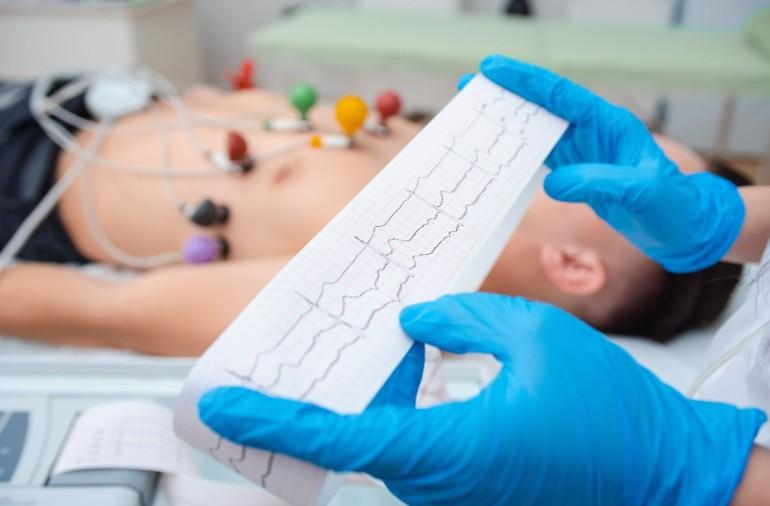
Accurate diagnosis is central to safe and effective healthcare. In the UK, electrocardiograms (ECGs) play a critical role in identifying cardiac conditions such as arrhythmias, myocardial infarction, and conduction abnormalities. However, the value of an ECG depends on the clinician’s ability to record, interpret, and act on the results correctly. ECG training courses significantly improve diagnostic accuracy by strengthening clinical knowledge, technical skills, and professional confidence.
As cardiovascular disease remains a leading cause of morbidity and mortality, high-quality ECG interpretation is essential across hospitals, GP surgeries, urgent care centres, and community settings.
The Importance of ECG Accuracy in Clinical Practice
ECGs are widely used because they are non-invasive, quick, and cost-effective. Yet misinterpretation can lead to delayed treatment, unnecessary referrals, or missed diagnoses. Diagnostic accuracy relies on more than recognising abnormal waveforms; it requires understanding patient context, technical quality, and clinical urgency.
Well-designed training ensures healthcare professionals:
-
Record ECGs correctly
-
Recognise normal and abnormal patterns
-
Identify red-flag findings
-
Escalate concerns appropriately
ECG training bridges the gap between theory and real-world decision-making.
How ECG Training Courses Enhance Diagnostic Skills
1. Strengthening Theoretical Knowledge
ECG training builds a solid understanding of cardiac anatomy, physiology, and electrical conduction. Learners gain clarity on:
-
The cardiac cycle
-
ECG lead placement and views
-
Normal intervals and waveforms
-
Common pathological patterns
This foundation allows clinicians to interpret traces logically rather than relying on guesswork.
2. Improving Technical Accuracy
Poor lead placement or incorrect machine use can distort ECG results. Training emphasises:
-
Correct electrode positioning
-
Skin preparation techniques
-
Minimising artefacts and interference
-
Ensuring consistent recording quality
Accurate recordings are essential for reliable diagnosis and clinical decision-making.
3. Enhancing Pattern Recognition
Regular exposure to ECG examples improves clinicians’ ability to identify abnormalities quickly and accurately. Through case-based learning, trainees learn to recognise:
-
Atrial fibrillation and flutter
-
Ventricular tachycardia
-
ST elevation and depression
-
Heart block patterns
Accredited ECG training courses support structured learning that improves confidence and consistency in interpretation.
4. Supporting Clinical Decision-Making
ECG interpretation does not happen in isolation. Training courses emphasise the importance of linking ECG findings to:
-
Patient symptoms
-
Medical history
-
Vital signs
-
Clinical risk factors
This integrated approach reduces diagnostic errors and improves patient outcomes.
 Who Benefits from ECG Training Courses?
ECG training is valuable across a wide range of healthcare roles.
Common Learners Include:
-
Healthcare assistants
-
Nurses and nursing associates
-
Paramedics
-
Junior doctors
-
Allied health professionals
Training ensures all staff involved in ECG recording or interpretation work work to a consistent and safe standard.
The Role of Accreditation in Training Quality
Accreditation assures that training meets recognised professional and educational standards. Courses aligned with UK frameworks ensure:
-
Evidence-based content
-
Qualified instructors
-
Clear learning outcomes
-
Assessment of competence
Accredited ECG training courses offer credibility for both learners and employers, supporting professional development and regulatory compliance.
Benefits for Healthcare Organisations
Investing in ECG training delivers organisational and clinical benefits.
Organisational Advantages:
-
Reduced diagnostic errors
-
Improved patient safety
-
Faster escalation of critical cases
-
Enhanced staff confidence and morale
-
Consistent standards across teams
Well-trained staff contribute to smoother patient pathways and more efficient use of healthcare resources.
Improving Patient Outcomes Through Training
Accurate ECG interpretation leads to timely treatment, which is crucial in cardiac emergencies. Training enables clinicians to:
-
Identify life-threatening conditions early
-
Avoid unnecessary delays
-
Communicate findings clearly to senior staff
-
Reassure patients with confidence
These improvements directly enhance patient trust and the quality of care.
Practical Skills Developed Through ECG Training
Beyond interpretation, ECG courses develop transferable professional skills.
Skills Gained Include:
-
Clinical observation and assessment
-
Attention to detail
-
Clear documentation
-
Effective communication with multidisciplinary teams
-
Confidence in escalating concerns
These skills strengthen overall clinical practice, not just cardiac care.
 Integrating ECG Training into Ongoing Professional Development
ECG competence should not be static. Regular updates help clinicians stay up to date with guidelines and best practices.
Best Practice for Ongoing Learning:
-
Refresher courses at regular intervals
-
Case-based discussion sessions
-
Supervised practice and feedback
-
Integration into CPD plans
Continuous learning ensures diagnostic accuracy remains high throughout a clinician’s career.
Conclusion
ECG training courses play a vital role in improving diagnostic accuracy across UK healthcare settings. By strengthening theoretical knowledge, technical skills, and clinical judgement, these courses reduce errors and support safer patient care. Well-trained clinicians are better equipped to confidently interpret ECGs, respond to critical findings, and contribute to positive patient outcomes. In an environment where accuracy can be life-saving, ECG training is an essential investment in both people and patient safety.
FAQs
1. Do I need prior experience to take an ECG training course?
No. Many courses are designed for beginners and build knowledge progressively.
2. Are ECG training courses suitable for non-registered staff?
Yes. Healthcare assistants and support staff benefit greatly from structured training.
3. How long does an ECG training course usually take?
Courses range from one-day workshops to multi-week programmes, depending on depth.
4. Does ECG training replace clinical supervision?
No. Training complements supervision and supports safe clinical escalation.
5. Is ECG training recognised for CPD in the UK?
Yes. Many courses contribute to continuing professional development requirements.

 English
 Arabic
 French
 Spanish
 Portuguese
 Deutsch
 Turkish
 Dutch
Dutch
 Russian
 Romaian
 Portuguese (Brazil)
 Greek
Greek