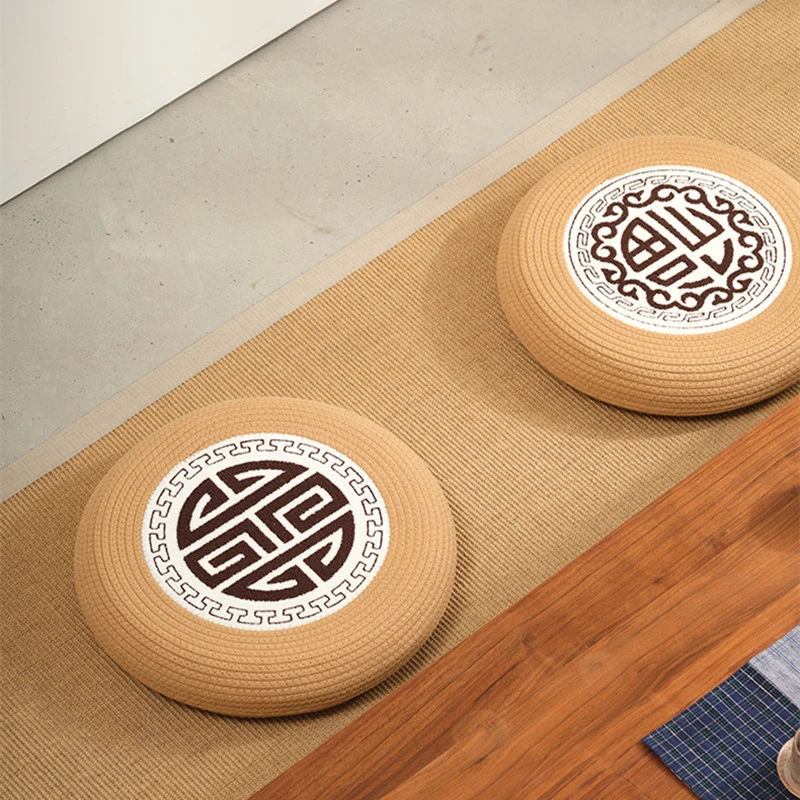
The Tangible Path to Inner Stillness
The pursuit of mindfulness is often framed as an internal journey, a subtle shifting of the mind’s focus from the noise of the external world to the steady, quiet center of the present moment. Yet, anyone who has dedicated themselves to this practice knows that the physical environment plays a critical role in facilitating that transition. The selection of the right meditation material is not merely a matter of comfort; it is a way of signaling to the body that it is time to depart from the demands of the day and enter a state of deep, intentional rest. Whether it is the support provided by a firm cushion, the texture of a grounding floor mat, or the specific composition of a supportive bench, these physical elements become the foundation upon which your entire practice is built.
When we talk about the physical tools of a practitioner, we are discussing the creation of a sanctuary. Each element chosen for your practice space serves a specific purpose, helping to align the spine, stabilize the body, and minimize the distractions that naturally arise when we attempt to sit in silence. By viewing these objects as essential components of your path, you elevate the act of sitting from a casual experiment to a committed discipline. It is about understanding that the mind and body are an integrated system; when the body is supported, the mind finds it infinitely easier to drop into the deep, expansive awareness that defines a successful session.
The Science of Support and Physical Alignment
The primary function of any high-quality meditation material is to allow for prolonged periods of sitting without the distraction of physical discomfort. Human anatomy is not designed to sit cross-legged on a hard floor for extended durations; it requires intentional assistance. A well-constructed cushion, for example, is filled with materials that offer a specific type of resistance. Buckwheat hulls are a traditional choice for this reason; they shift to conform to the unique contours of the practitioner’s body while providing a firm, unyielding base that keeps the hips elevated above the knees.
This elevation is crucial for the tilt of the pelvis, which in turn allows the spine to stack naturally. When the spine is properly aligned, the core muscles do not need to work to keep the torso upright, and the chest remains open, facilitating deep, unobstructed breathing. Other materials, such as kapok or cotton, provide a softer, more pillowy support that some practitioners prefer. The choice of fill material is deeply personal, and it often dictates the quality of the sit. By experimenting with different densities and textures, you are not just selecting a seat; you are fine-tuning your physical ability to sustain focus. The goal is to reach a point where the support of the materials becomes invisible, allowing the body to essentially disappear from your awareness so the mind can be free.
Creating an Environment of Intentionality
Beyond the immediate physical support, the meditation material you choose helps define the energy of your practice space. We live in a world of synthetic finishes, bright screens, and high-frequency noise. The materials that make up your meditation tools—woven cotton, natural hemp, solid wood, or organic silk—provide a sensory anchor that connects you back to the natural world. Touching a mat made of raw, unbleached hemp or sitting on a bench hand-carved from sustainable timber introduces a quality of "truth" to your practice that is hard to articulate but easy to feel.
These materials have a unique way of absorbing the history of your practice. Over time, the fabric of your cushion softens, the wood of your bench develops a subtle patina, and the mat becomes a record of your consistent dedication. This accumulation of "use" creates a sense of sanctity. When you step onto your mat or sit upon your chosen support, you are stepping into a space that you have personally sanctified through repetition. The very texture of the materials acts as a psychological trigger, reminding you that this is a space where nothing is required of you, where the tasks of the world are suspended, and where your only responsibility is to remain present with your own breathing.
The Role of Sensory Feedback in Deep Focus
Every piece of meditation material provides a specific type of sensory feedback that can be used to deepen one's concentration. Consider the tactile sensation of a wool rug beneath a zafu cushion; it is warm, grounded, and stable. Contrast this with the cool, firm surface of a wooden meditation bench, which encourages a sense of alertness and structural integrity. Practitioners often find that different stages of their development call for different tools. During a season of deep fatigue, a softer, more cushioned support might be exactly what is needed to encourage the body to relax. During a season of mental dullness, a firmer, more upright support might be necessary to encourage the mind to stay awake and alert.
This is why many dedicated practitioners maintain a small "library" of materials. It allows them to respond to their own internal weather. If the mind is restless, the choice of a heavier, more grounded mat can help dissipate that excess energy. If the spirit feels heavy or lethargic, the choice of a cleaner, more minimalist support can help lift the energy. The materials are not just props; they are instruments of self-regulation. By understanding how your chosen tools influence your nervous system, you gain the ability to navigate your own practice with greater nuance and efficiency.
Stewardship of Your Sacred Tools
The care and maintenance of your meditation material is an extension of the practice itself. There is something profoundly grounding about cleaning your space, fluffing your cushions, or brushing the dust from your mat. This is not a chore; it is a ritual of appreciation. It is a way of acknowledging that these objects are not mere commodities—they are the vessels that hold your development.
When you treat your tools with care, you are treating your practice with care. If your cushion cover is removable, washing it with a gentle, natural detergent keeps the fibers fresh and welcoming. If your wooden bench is showing signs of dryness, a light application of natural oil nourishes the wood and preserves its structural integrity. These small, periodic actions are moments to pause and reflect on your commitment. They remind you that the space you create is not separate from the rest of your life, but is a part of it—a part that deserves to be tended to with the same focus and care that you bring to your breath.
Navigating the Selection of Quality Goods
Selecting the right meditation material for your personal needs can be an act of discovery. It is helpful to prioritize items that are crafted with longevity and sustainability in mind. Because the goal of meditation is to cultivate a sense of connection to the world around us, it makes logical sense to source tools that are made in harmony with that world. Items crafted from renewable resources, using non-toxic dyes and human-centric labor practices, often possess a higher quality of "energy" that the practitioner can sense during use.
When you invest in high-quality materials, you are investing in a partner for your inner growth. Avoid the lure of cheaply manufactured, mass-produced items that are designed for quick consumption rather than years of service. Instead, seek out makers and artisans who understand the specific requirements of a long-term practice. Look for details like double-stitched seams, reinforced zippers, and natural, high-density fillings. These features ensure that your tools will remain effective as your practice evolves from the initial stages of learning to hold the posture, to the later stages of deep, sustained contemplation.
The Philosophy of Simplicity
At its core, the study of the best meditation material is a study in simplicity. We seek out these tools so that we can eventually reach a place where the tools are no longer necessary. We use the cushion so that the body can be comfortable; we use the mat so that the mind can be focused. The objects are the training wheels that allow us to learn how to exist in our own company.
This is a beautiful paradox of the path. We invest in the physical in order to transcend it. By providing the body with the perfect environment, we remove the obstacles that prevent the mind from looking inward. We create a place of such harmony and support that the mind has no reason to wander to external stimuli. In this state, the boundaries between the person, the cushion, and the room begin to blur. The practice becomes seamless. When you reach that level of clarity, you realize that the materials were never just things—they were the invitations that helped you arrive at the quiet, steady truth that has always been waiting within you.
Final Thoughts
Investing in the right meditation material is a vital step in creating a practice that is both sustainable and profoundly rewarding. By choosing tools that offer genuine physical support, reflect your personal values, and invite a sensory engagement with the present moment, you are building a sanctuary that will serve you throughout the changing seasons of your life. Whether you are just beginning to explore the benefits of stillness or you are a long-time practitioner seeking to refine your space, remember that every object you bring into your practice area is an opportunity to deepen your commitment to your own growth. Tending to these tools with care and choosing them with discernment ensures that your space remains a constant, welcoming reflection of the peace and clarity you are working to cultivate within.

 English
 Arabic
 French
 Spanish
 Portuguese
 Deutsch
 Turkish
 Dutch
Dutch
 Italiano
 Russian
 Romaian
 Greek
Greek