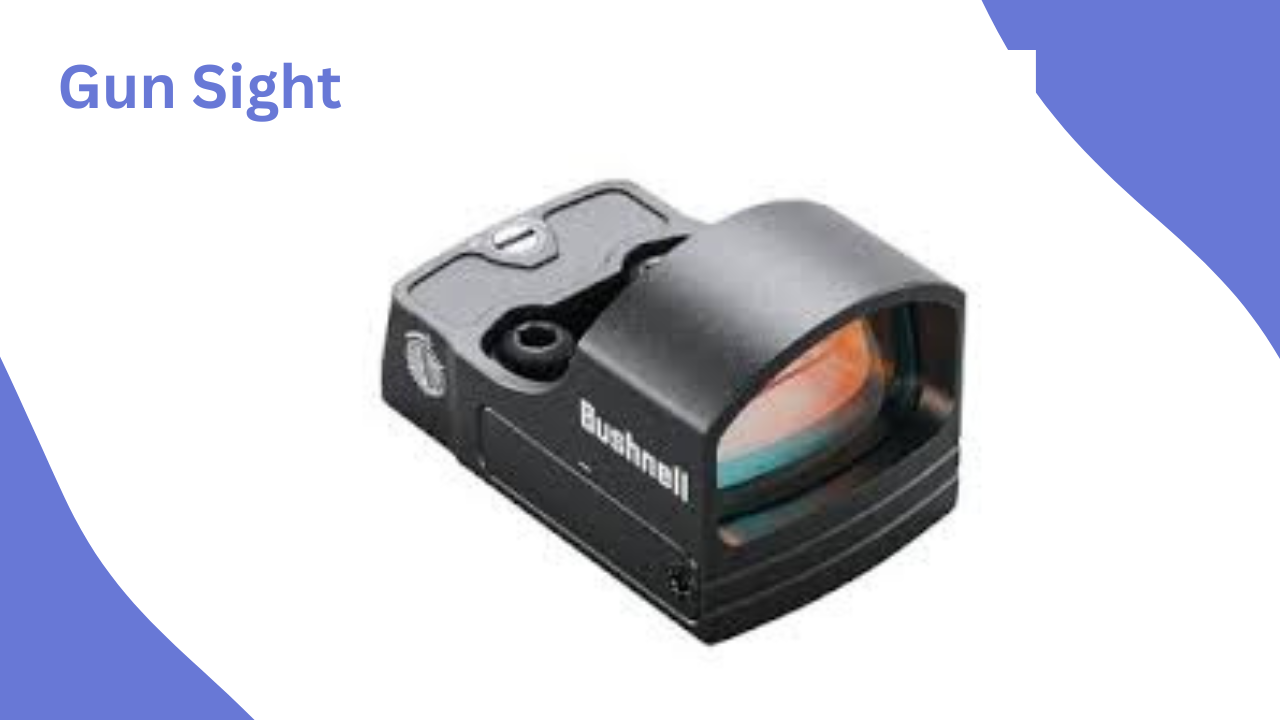
A gun sight is an optical component designed to help users acquire a clear aiming reference. Whether used in sporting optics, observation systems, research equipment, or other precision optical applications, its effectiveness depends on image quality, optical alignment, and mechanical stability.
Yet many users assume that poor performance always means the sight itself is defective.
In reality, image clarity, field visibility, and long-term reliability often depend on several factors working together. Optical coatings, lens quality, environmental conditions, manufacturing precision, and system integration all influence how well a gun sight performs.
If an optical system delivers blurry images, reduced brightness, or inconsistent performance, understanding these challenges can help engineers, manufacturers, and buyers make better decisions.
Optical Quality Matters More Than Magnification
Many people focus on magnification when evaluating a gun sight.
Magnification certainly affects the viewing experience, but it does not guarantee better image quality.
A poorly designed optical system may produce:
- Reduced contrast
- Blurred image edges
- Lower brightness
- Increased optical distortion
High-quality optical glass, precision lens design, and proper coatings often have a greater impact on image clarity than magnification alone.
According to SPIE (the International Society for Optics and Photonics), optical system performance depends on the interaction of all optical elements rather than any single specification.
A larger number on a product label cannot compensate for weaker optics.
Lens Coatings Quietly Improve Performance
Modern optical systems rely heavily on advanced coatings.
Without them, light reflects from lens surfaces before reaching the viewer.
This may result in:
- Lower light transmission
- Reduced contrast
- Internal reflections
- Ghost images
Anti-reflection coatings improve optical efficiency by minimizing surface reflections across selected wavelengths.
Edmund Optics notes that properly designed coatings increase transmission while improving overall image quality.
The coating may be almost invisible, but its contribution is easy to notice.
Alignment Errors Can Reduce Image Clarity
Precision matters in every optical device.
Even small alignment errors inside a gun sight can affect:
- Image sharpness
- Focus consistency
- Viewing comfort
- Optical accuracy
Modern optical assemblies often require extremely tight manufacturing tolerances.
Small deviations that appear insignificant during assembly may become noticeable during normal use.
That is why precision manufacturing remains essential for reliable optical performance.
Environmental Conditions Challenge Every Optical System
Optical equipment rarely operates only inside laboratories.
Real-world environments introduce:
- Dust
- Moisture
- Temperature changes
- Mechanical vibration
These conditions influence both optical clarity and long-term durability.
Manufacturers often use sealed housings, durable coatings, and carefully selected materials to improve resistance against environmental exposure.
A quality optical design considers where the product will operate—not just how it performs during factory testing.
Brightness Depends on More Than the Lens
Many users assume the lens alone controls brightness.
In reality, brightness depends on the complete optical path.
Several factors influence light transmission:
- Glass quality
- Lens coatings
- Number of optical elements
- Optical alignment
- Mechanical design
Each optical surface introduces a small amount of light loss.
Reducing unnecessary losses throughout the system often improves image brightness more effectively than changing a single component.
Manufacturing Precision Builds Long-Term Consistency
Two optical products may look identical from the outside.
Their performance may differ because of manufacturing precision.
Important factors include:
- Lens centering
- Surface quality
- Mechanical tolerances
- Coating consistency
- Assembly accuracy
High-quality manufacturing reduces variation between production batches while improving long-term reliability.
Consistency matters because users expect every unit to deliver the same optical experience.
Regular Maintenance Protects Optical Performance
Optical systems benefit from simple, consistent maintenance.
Dust, fingerprints, and residue gradually reduce image quality if left on optical surfaces.
Good maintenance practices include:
- Cleaning with optical-grade microfiber cloths
- Using approved lens-cleaning solutions
- Inspecting external surfaces regularly
- Storing equipment in clean, dry environments
Avoid abrasive materials or household cleaners that may damage specialized coatings.
Sometimes the biggest improvement comes from proper care rather than new equipment.
Mechanical Stability Supports Reliable Optics
Optics and mechanics work together.
A well-designed lens system cannot maintain consistent performance if mechanical components allow movement over time.
Engineers pay close attention to:
- Housing rigidity
- Component positioning
- Shock resistance
- Thermal expansion
Stable mechanical construction helps preserve optical alignment throughout the product's service life.
Strong mechanics quietly support strong optics.
User Comfort Is Part of Optical Performance
Image quality involves more than resolution.
Viewing comfort also matters.
Poor optical design may contribute to:
- Eye strain
- Difficulty maintaining focus
- Reduced viewing comfort during extended use
Well-designed optical systems balance clarity, contrast, brightness, and eye relief to create a more natural viewing experience.
The best optics allow users to focus on what they are observing rather than the optical system itself.
System-Level Design Produces Better Results
The strongest optical products rarely succeed because of one outstanding component.
Instead, manufacturers optimize the complete system by combining:
- High-quality optical materials
- Precision coatings
- Accurate alignment
- Stable mechanical design
- Consistent manufacturing
Early collaboration between optical engineers, mechanical designers, manufacturing teams, and quality specialists helps reduce production issues while improving long-term performance.
Optical excellence begins long before the final product reaches the customer.
Final Thoughts
A gun sight depends on much more than magnification or external appearance. Optical coatings, material quality, precision alignment, manufacturing consistency, environmental protection, and thoughtful engineering all influence image quality and reliability.
Organizations that optimize the complete optical system instead of focusing on a single specification produce more dependable products and better user experiences.
In precision optics, small engineering decisions often create the biggest improvements.

 Arabic
 French
 Spanish
 Portuguese
 Deutsch
 Turkish
 Dutch
Dutch
 Italiano
 Russian
 Romaian
 Portuguese (Brazil)
 Greek
Greek