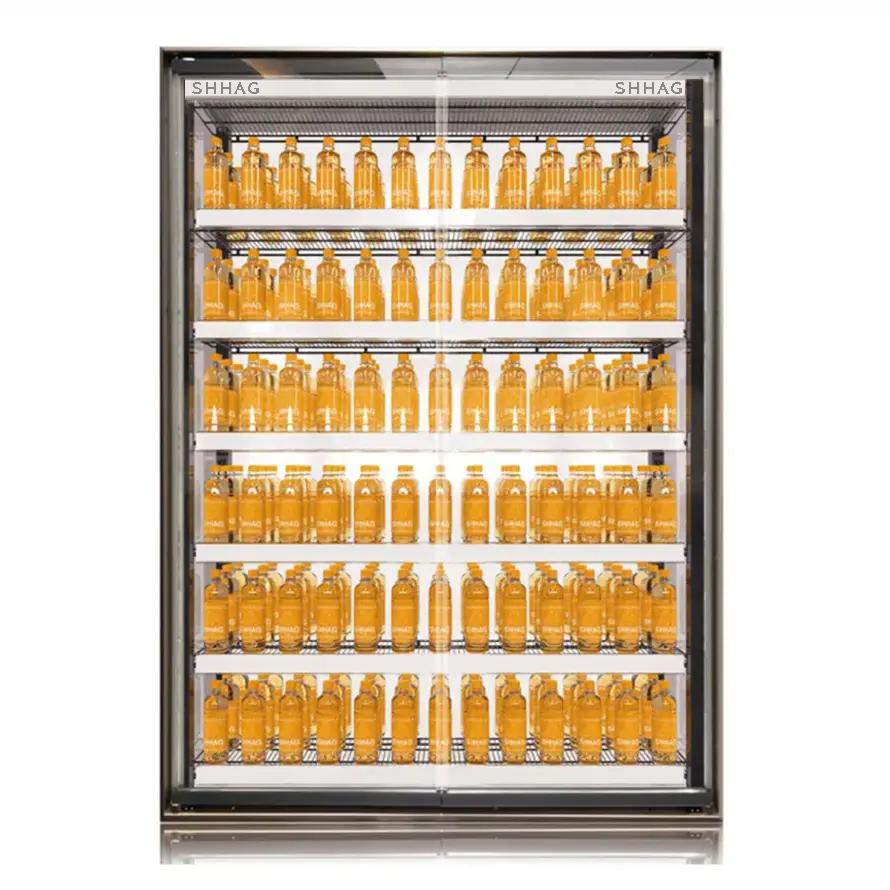
A walk in freezer is one of the most valuable assets in food retail, hospitality, pharmaceuticals, and cold chain logistics. Businesses depend on it to preserve inventory, maintain product quality, and meet strict storage requirements.
Yet many companies only pay attention to their freezer when something goes wrong.
Unfortunately, by that point, the damage may already be expensive.
Temperature fluctuations, excessive frost, poor insulation, and equipment failures can quietly increase operating costs while reducing product quality. For B2B businesses, these issues often translate into lost revenue, higher energy bills, and unexpected downtime.
Understanding the most common walk in freezer problems helps buyers make smarter purchasing decisions and protect long-term profitability.
This article explores the biggest operational challenges businesses face and explains how to avoid them.
Why Walk In Freezers Matter in B2B Commerce
Walk in freezers support critical operations across multiple industries.
Restaurants rely on them to store ingredients. Supermarkets preserve frozen foods inside them. Pharmaceutical companies use them to maintain temperature-sensitive products.
According to the U.S. Food and Drug Administration (FDA), maintaining proper storage temperatures plays a key role in protecting food quality and safety.
A high-performing walk in freezer helps businesses:
- Preserve inventory quality
- Reduce product waste
- Improve energy efficiency
- Support regulatory compliance
- Lower operational costs
When performance declines, profitability often follows.
1. Temperature Fluctuations Lead to Product Loss
Consistent temperatures remain essential in frozen storage.
Even minor fluctuations can affect food quality, shelf life, and product safety.
Common causes include:
- Refrigeration system failures
- Poor insulation
- Frequent door openings
- Air leaks
- Inadequate maintenance
Business Consequences
- Product spoilage
- Inventory losses
- Compliance concerns
- Customer dissatisfaction
A walk in freezer should preserve products, not surprise managers with thawed inventory during morning inspections.
The FDA recommends maintaining appropriate frozen storage temperatures to protect food quality and reduce safety risks.
2. Poor Insulation Increases Energy Costs
Insulation forms the foundation of every efficient walk in freezer.
Damaged or low-quality insulated panels allow heat infiltration. Refrigeration systems must then work harder to maintain low temperatures.
According to the U.S. Department of Energy, commercial refrigeration systems account for a significant portion of energy use in food retail facilities.
Poor insulation often results in:
- Higher utility bills
- Increased compressor workload
- Reduced cooling efficiency
- More frequent repairs
For B2B buyers, insulation quality should remain a top purchasing priority.
Investing in high-performance insulated panels frequently reduces long-term ownership costs.
3. Ice Build-Up Reduces System Efficiency
Excessive frost and ice accumulation often signal underlying problems.
Common causes include:
- Faulty door seals
- Frequent door openings
- High humidity
- Defrost system failures
- Air infiltration
Ice buildup restricts airflow and forces refrigeration systems to work harder.
Consequences may include:
- Higher energy consumption
- Reduced cooling capacity
- Increased maintenance requirements
- Equipment damage
A small amount of frost may seem harmless. A freezer that resembles an Arctic expedition camp deserves immediate attention.
Regular inspections help identify ice-related problems before they escalate.
4. Door Seal Failures Waste Energy
Walk in freezer doors experience constant use.
Employees enter and exit repeatedly during daily operations. Over time, door gaskets and seals wear out.
Even a small gap allows warm air to enter continuously while cold air escapes.
Signs of seal failure often include:
- Frost around door frames
- Condensation near entrances
- Rising electricity bills
- Uneven temperatures
The U.S. Environmental Protection Agency (EPA) highlights proper sealing and maintenance as effective ways to improve refrigeration efficiency.
Replacing damaged gaskets often provides quick operational savings.
5. Poor Airflow Creates Uneven Freezing
Many businesses focus on temperature settings but overlook airflow.
Without proper circulation, warm and cold spots can develop throughout the freezer.
Poor airflow often results from:
- Overstocked storage layouts
- Blocked evaporator fans
- Improper shelving arrangements
- Inadequate system design
Consequences include:
- Uneven product temperatures
- Reduced product quality
- Increased spoilage risks
- Higher energy consumption
According to the American Society of Heating, Refrigerating and Air-Conditioning Engineers (ASHRAE), effective airflow plays an essential role in refrigeration performance.
Businesses should evaluate airflow design carefully during procurement.
6. Delayed Maintenance Leads to Expensive Downtime
Many freezer failures begin as minor issues.
A damaged gasket, unusual compressor noise, or small temperature variation may appear insignificant at first.
Unfortunately, refrigeration systems rarely repair themselves overnight.
Ignoring maintenance often leads to:
- Compressor failures
- Emergency service costs
- Product losses
- Business interruptions
Preventive maintenance remains one of the most cost-effective strategies for protecting commercial refrigeration equipment.
Routine inspections help identify issues before they become expensive emergencies.
How B2B Buyers Can Avoid Walk In Freezer Problems
Selecting the right equipment supplier remains essential.
Evaluate Product Specifications
Request information about:
- Insulation thickness
- Energy-efficiency features
- Temperature performance
- Construction materials
Assess Supplier Reliability
Trusted manufacturers should provide:
- Technical support
- Warranty protection
- Spare parts availability
- Consistent quality standards
Focus on Total Ownership Costs
Procurement teams should evaluate:
- Energy consumption
- Maintenance expenses
- Equipment lifespan
- Repair frequency
Long-term value often matters more than initial purchase price.
Final Thoughts
A walk in freezer directly affects inventory quality, operating costs, and business profitability.
Problems such as poor insulation, temperature fluctuations, ice buildup, and airflow issues can quickly increase expenses and disrupt operations.
Businesses that invest in high-quality equipment and proactive maintenance strategies often improve efficiency while reducing long-term costs.
In B2B ecommerce, a reliable walk in freezer does more than store products. It protects inventory, supports compliance, and strengthens business performance.

 English
 Arabic
 French
 Spanish
 Portuguese
 Deutsch
 Turkish
 Dutch
Dutch
 Russian
 Romaian
 Portuguese (Brazil)
 Greek
Greek