Growing a fuller beard is a goal for many men who struggle with patchy or uneven facial hair. Modern hair restoration techniques have made it possible to achieve a natural-looking beard with long-lasting results. If you are considering Beard Hair Transplant in Islamabad, understanding the healing journey is just as important as learning about the procedure itself. Knowing what happens week by week helps set realistic expectations and ensures you are prepared for every stage of recovery.
Why the Healing Process Matters
A beard hair transplant does not produce instant results. The newly transplanted hair follicles require time to settle, heal, and begin their natural growth cycle. While the procedure itself is completed within a day, the healing process continues over several months. Patience and proper aftercare play a significant role in achieving the best possible outcome.
The First Few Days After the Procedure
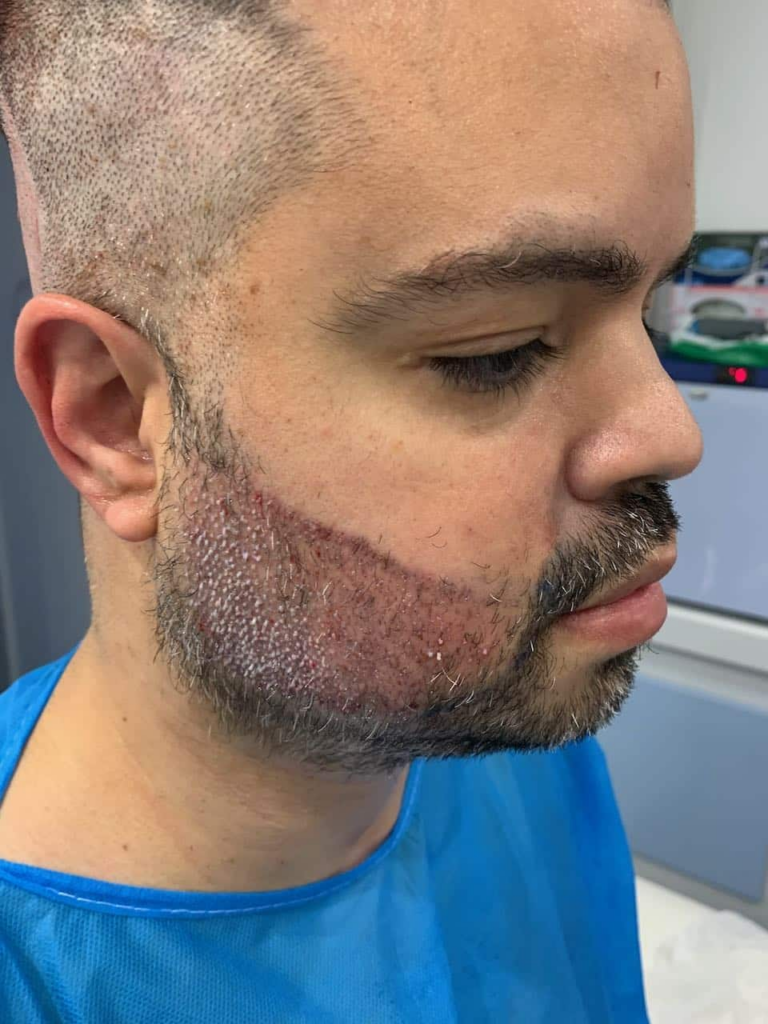
The first few days are focused on allowing the transplanted grafts to establish themselves in the skin. Tiny scabs usually form around each implanted follicle, which is a normal part of healing. Mild redness and slight swelling may also appear in both the donor and recipient areas.
During this period, it is important to avoid touching, scratching, or rubbing the beard area. Keeping the treated skin clean according to the recommended care instructions helps reduce irritation and supports healthy recovery.
Week One: Initial Recovery
By the end of the first week, most of the swelling has disappeared, and the tiny scabs begin to fall away naturally. It is important not to pick at these scabs, as doing so may disturb the newly implanted follicles.
Many people notice that the treated area starts looking cleaner and more natural. Although the skin may still appear slightly pink in some cases, discomfort is generally minimal by this stage.
Week Two: Shedding Begins
One of the most surprising stages of recovery happens during the second week. Many of the transplanted hairs begin to shed, which can cause unnecessary concern for first-time patients.
This shedding is completely expected. The follicles remain safely beneath the skin while only the visible hair shafts fall out. This process allows the follicles to enter a resting phase before producing new, permanent hair growth.
Weeks Three to Four: The Resting Phase
The third and fourth weeks often feel uneventful because there are few visible changes. Most transplanted hairs have already shed, and the follicles remain dormant beneath the skin.
Although it may seem like nothing is happening, important healing continues below the surface. Blood supply strengthens around each follicle, creating the foundation for future beard growth.
Month Two: Early Signs of Growth
During the second month, some people begin noticing tiny new hairs emerging from the transplanted follicles. Growth is usually light, uneven, and scattered.
This early development should not be compared with the final outcome. Every follicle follows its own growth cycle, meaning some hairs appear earlier than others.
Month Three: Visible Improvement
The third month often brings more noticeable progress. New beard hairs gradually become easier to see, filling previously sparse areas with fresh growth.
At this stage, the beard may still appear thinner than expected because not every follicle has become active yet. This uneven appearance is temporary and improves over time.
Months Four to Six: Significant Growth
Between the fourth and sixth months, the beard experiences one of its biggest transformations. More follicles begin producing thicker and stronger hairs, making the beard look fuller.
The texture also becomes more natural as the transplanted hair adapts to its new location. Many individuals feel confident trimming and shaping their beard during this period while following appropriate care recommendations.
Months Seven to Nine: Better Density
As healing continues, beard density improves steadily. The individual hairs become coarser and blend more naturally with existing facial hair.
Small gaps continue filling in, giving the beard a balanced and symmetrical appearance. This stage often represents a major confidence boost for individuals waiting to see their desired look.
Months Ten to Twelve: Final Results
By the end of the first year, most people achieve the majority of their final results. The transplanted hairs grow naturally, allowing regular shaving, trimming, and grooming.
Around this time, Beard Hair Transplant in Islamabad delivers its most satisfying outcome as the beard reaches greater fullness, improved density, and a more defined appearance that blends seamlessly with natural facial hair.
Factors That Influence Healing
Every individual heals differently. Several factors can affect how quickly the recovery progresses, including overall health, skin type, lifestyle habits, and commitment to aftercare instructions.
Avoiding smoking, maintaining a balanced diet, staying hydrated, and protecting the treated area from unnecessary irritation can all contribute to smoother healing and healthier hair growth.
Tips for a Smooth Recovery
Following proper recovery practices can improve both comfort and results.
Keep the Area Clean
Gentle cleansing helps reduce the risk of irritation while supporting healthy skin recovery.
Avoid Touching the Grafts
Constant touching or scratching may interfere with the newly implanted follicles during the early healing phase.
Stay Patient
Hair growth takes time. Temporary shedding and slow progress during the first few months are completely normal.
Follow Healthy Lifestyle Habits
Nutritious food, proper hydration, quality sleep, and avoiding harmful habits can support the body's natural healing process.
Common Healing Concerns
Many individuals worry when they notice redness, scabbing, or temporary shedding. These are expected parts of the normal healing process and usually resolve naturally over time.
Some people also experience mild itching as the skin heals. This typically indicates recovery rather than a problem, provided the area is not scratched or irritated.
What to Expect Emotionally
The healing journey is not only physical but also emotional. Many individuals feel excited immediately after the procedure, followed by temporary disappointment during the shedding phase. Understanding that these changes are normal helps reduce anxiety and keeps expectations realistic.
As new hair gradually appears over the following months, confidence typically grows alongside beard density. The gradual transformation often makes the final outcome feel even more rewarding.
Final Thoughts
Patience is the key to achieving successful results after a beard hair transplant. Each week brings different changes, from early healing and temporary shedding to steady hair growth and improved density. By understanding the recovery timeline and maintaining realistic expectations, individuals can confidently move through every stage of the journey. Those considering Beard Hair Transplant in Islamabad should remember that consistent aftercare and allowing the follicles enough time to mature are essential for enjoying natural, long-lasting beard growth.
FAQs
How long does it take for a beard hair transplant to heal?
Initial healing usually takes about 7 to 14 days, while complete hair growth and final results may take 10 to 12 months.
Is hair shedding after a beard hair transplant normal?
Yes. Temporary shedding usually begins within two to four weeks after the procedure. The follicles remain healthy beneath the skin and later produce new hair.
When will new beard hair start growing?
Most people notice the first signs of new growth around the second or third month, with significant improvement between the fourth and sixth months.
Can I shave my beard after the transplant?
Shaving should only be done after the treated area has healed completely. Waiting until the follicles are securely established is recommended.
Will the transplanted beard look natural?
Yes. Once fully grown, the transplanted hairs blend naturally with existing facial hair and can be trimmed, shaped, and groomed like a normal beard.

 English
 French
 Spanish
 Portuguese
 Deutsch
 Turkish
 Dutch
Dutch
 Italiano
 Russian
 Romaian
 Portuguese (Brazil)
 Greek
Greek