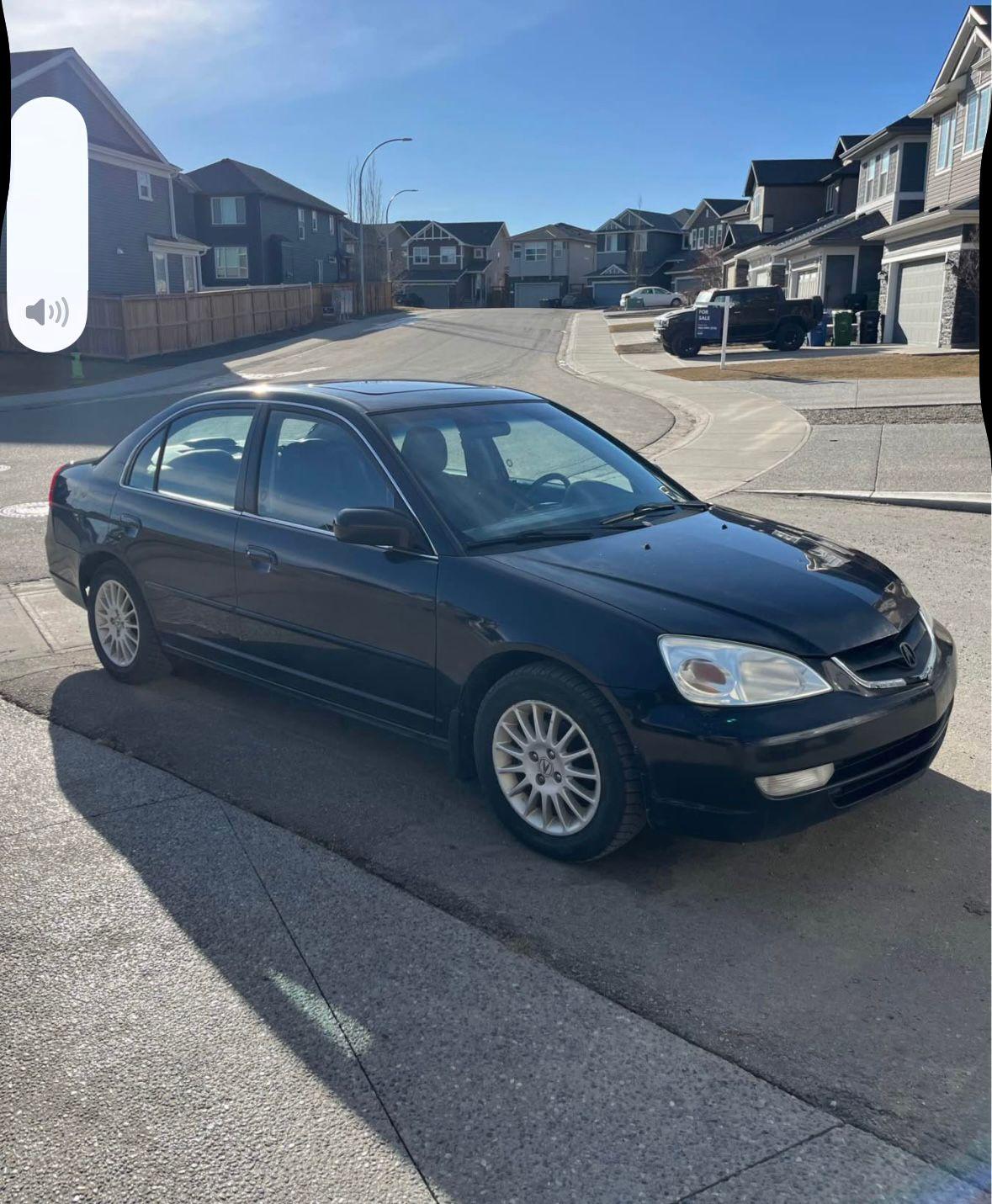
If you've ever requested quotes from multiple junk car removal companies, you may have noticed something surprising: two vehicles that appear equally old, damaged, or non-running can receive vastly different offers. This often leaves vehicle owners wondering why one junk car is worth hundreds—or even thousands—of dollars more than another.
The truth is that junk car pricing is influenced by a combination of factors. Professional junk car buyers don't simply look at whether a vehicle runs or not. Instead, they evaluate everything from vehicle weight and scrap metal prices to salvageable parts, market demand, and even the location of the vehicle.
Understanding what determines a junk car's value can help you avoid common mistakes, set realistic expectations, and maximize the amount of money you receive for your unwanted vehicle.
Why Every Junk Car Has a Different Value
Many people assume that all junk cars are worth approximately the same amount.
However, every vehicle is unique.
Professional buyers evaluate dozens of variables, including:
- Vehicle weight
- Make and model
- Age
- Condition
- Salvageable parts
- Current scrap metal prices
- Market demand
- Vehicle location
These factors work together to determine the final offer.
This is why two vehicles parked side by side can have dramatically different values.
Vehicle Weight Is One of the Biggest Factors
Weight plays a major role in junk car pricing because recycling facilities purchase scrap materials by weight.
Vehicles contain valuable recyclable materials such as:
- Steel
- Aluminum
- Copper
- Iron
Generally speaking:
- Compact cars contain less recyclable material.
- Sedans contain moderate amounts.
- SUVs contain larger quantities.
- Pickup trucks often contain the most.
Heavier vehicles typically generate more recyclable material, which increases their overall value.
For example, a full-size pickup truck may receive a substantially higher offer than a compact sedan simply because of the amount of recoverable metal it contains.
Scrap Metal Prices Continuously Change
One of the biggest misconceptions about junk car pricing is that values remain constant.
In reality, scrap metal prices fluctuate regularly due to:
- Global manufacturing demand
- Construction activity
- Economic conditions
- Commodity markets
- Supply chain disruptions
When steel, aluminum, and copper prices increase, junk car values often rise as well.
Conversely, declining scrap prices may reduce offers.
This explains why the same vehicle can receive different quotes at different times of the year.
Salvageable Parts Can Dramatically Increase Value
In many cases, a junk vehicle's value comes from more than just scrap metal.
Professional buyers carefully inspect salvageable components, including:
- Engines
- Transmissions
- Alternators
- Starters
- Wheels
- Air conditioning systems
- Electronic modules
- Body panels
- Interior components
If these parts remain functional, they can substantially increase the vehicle's value.
In some cases, salvageable components are worth more than the scrap metal itself.
Engine Condition Matters
The engine is often one of the most valuable parts in any vehicle.
Buyers evaluate factors such as:
- Whether the engine runs
- Overall condition
- Mileage
- Service history
- Market demand
A functioning engine can significantly increase a junk car's value.
Even if the rest of the vehicle has severe damage, a healthy engine may still command strong demand in the used parts market.
On the other hand, a seized or heavily damaged engine often reduces the overall offer.
Transmission Condition Affects Pricing
Transmissions are expensive to replace.
Because of this, used transmissions remain valuable in the automotive repair industry.
Buyers consider:
- Automatic versus manual transmission
- Operational condition
- Mileage
- Vehicle compatibility
A working transmission can add considerable value to a junk vehicle.
Vehicles with failed transmissions generally receive lower offers unless other valuable components remain intact.
Catalytic Converters Can Be Extremely Valuable
Many vehicle owners don't realize that their catalytic converter may be one of the most valuable parts on the entire vehicle.
Catalytic converters contain precious metals such as:
- Platinum
- Palladium
- Rhodium
These metals are highly valuable and frequently recycled.
Because their market prices fluctuate, catalytic converters can have a major impact on junk car pricing.
Vehicles with intact catalytic converters often receive significantly stronger offers than vehicles where the converter has been removed or stolen.
Vehicle Make and Model Matter
Not all vehicles have equal demand in the salvage market.
Certain makes and models command higher prices because:
- They are more common.
- Replacement parts are expensive.
- Repair shops frequently seek used components.
- Owners keep them on the road longer.
Examples often include:
- Pickup trucks
- Popular SUVs
- Commercial vans
- Certain luxury vehicles
Even an older vehicle may receive a strong offer if its parts remain in high demand.
Vehicle Age Influences Value
Age is another important consideration.
Newer vehicles often contain:
- Better-condition components
- More advanced electronics
- Higher-demand replacement parts
- More valuable salvage materials
Older vehicles still retain scrap value, but their reusable components may have less market demand.
However, age alone does not determine value.
Some older vehicles with desirable components can still receive excellent offers.
Accident Damage Can Affect Value
The extent of collision damage plays a major role in pricing.
Minor accident damage may have little effect if major components remain intact.
However, severe collisions can damage:
- Engines
- Transmissions
- Frames
- Suspension systems
- Electronic components
The more salvageable components survive the accident, the higher the vehicle's potential value.
Rust Is One of the Biggest Value Killers
Rust can quickly reduce the value of a junk vehicle.
Severe corrosion damages:
- Body panels
- Structural components
- Suspension systems
- Brake lines
- Exhaust systems
Rust also reduces the number of salvageable parts available for resale.
Vehicles exposed to harsh weather conditions often lose value more rapidly due to corrosion.
Missing Parts Lower Your Offer
Many vehicle owners remove parts before selling their junk car.
Unfortunately, this often reduces the final payout.
Commonly removed items include:
- Batteries
- Catalytic converters
- Wheels
- Tires
- Engines
- Transmissions
Because buyers recover value from these components, missing parts almost always reduce the vehicle's worth.
Keeping the vehicle intact typically results in a stronger offer.
Vehicle Location Can Influence Price
Location affects junk car value more than many people realize.
Buyers consider:
- Distance from recycling facilities
- Fuel costs
- Towing expenses
- Accessibility
Vehicles located in remote areas may receive slightly lower offers because transportation costs increase.
Similarly, vehicles trapped in difficult locations may require specialized equipment for removal.
Market Demand Changes Everything
Supply and demand play a major role in determining vehicle value.
Factors affecting demand include:
- Vehicle popularity
- Insurance repair trends
- Availability of replacement parts
- Economic conditions
- Consumer preferences
A vehicle with high demand for used parts can receive a much stronger offer than a less popular model.
This explains why certain junk vehicles remain valuable long after production ends.
Why Two Similar Vehicles Can Receive Different Quotes
Imagine two identical vehicles:
- Same year
- Same make
- Same model
One may receive a much higher offer because:
- Its engine still runs.
- Its transmission works.
- Its catalytic converter remains installed.
- It has lower mileage.
- It has less rust.
- It contains valuable electronics.
Small differences often create large pricing differences.
Why Different Buyers Offer Different Prices
Another common question is why multiple companies provide different offers for the same vehicle.
This occurs because buyers have:
- Different operating costs
- Different recycling partnerships
- Different inventory requirements
- Different parts demand
- Different transportation expenses
Some companies prioritize scrap metal recovery, while others focus on reusable parts.
Comparing multiple offers is often the best strategy.
How to Maximize Your Junk Car Value
If you want the highest possible offer, follow these tips:
Keep the Vehicle Complete
Avoid removing valuable components.
Sell Before Additional Damage Occurs
Vehicles lose value through:
- Rust
- Weather exposure
- Mechanical deterioration
Gather Documentation
Having ownership paperwork ready simplifies the process.
Provide Accurate Information
Honest descriptions prevent quote adjustments.
Compare Multiple Buyers
Competition often increases offers.
Final Thoughts
There is no single factor that determines a junk car's value. Instead, professional buyers evaluate a combination of vehicle weight, scrap metal prices, salvageable parts, engine condition, transmission status, catalytic converter value, market demand, location, and overall condition.
Understanding these factors helps explain why one junk car can be worth substantially more than another. It also helps vehicle owners make smarter decisions when selling an unwanted vehicle.
Whether your vehicle is a compact car, SUV, truck, or commercial van, knowing what buyers look for can help you maximize your payout, avoid common mistakes, and ensure you receive a fair and competitive offer. In the world of junk car removal, knowledge truly can mean the difference between receiving a few hundred dollars and receiving significantly more.

 English
 Arabic
 French
 Spanish
 Deutsch
 Turkish
 Dutch
Dutch
 Italiano
 Russian
 Romaian
 Portuguese (Brazil)
 Greek
Greek