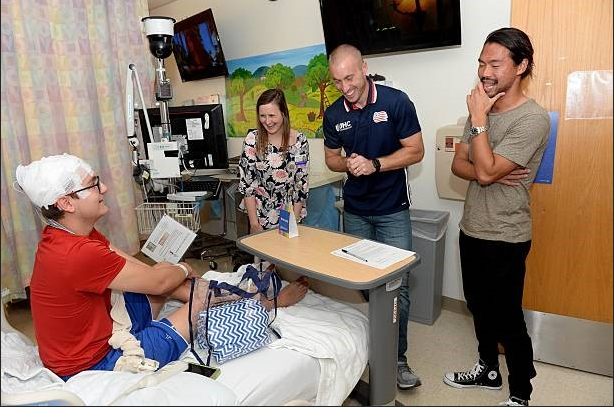
A long Neuro ICU stay can feel like life has stopped in a place that never slows down. Families wait through alarms, hallway conversations, sudden updates, and hours of uncertainty that make it hard to eat, rest, think clearly, or even step away for a few minutes.
Many loved ones sleep in chairs, live out of bags, and try to stay strong while carrying fear, hope, and exhaustion all at once.
When every small need becomes harder inside the hospital, even thoughtful support can bring a little relief.
Hospital care packages may not fix the situation, but they can help families feel less forgotten during long, draining days.
Key Takeaways
-
Hospital care packages comfort Neuro ICU families during long stays.
-
Practical items help reduce stress and daily challenges.
-
Family education resources make care updates easier to understand.
-
Aneurysm awareness supports families during brain aneurysm crises.
-
Financial assistance helps with gas, meals, lodging, and urgent needs.
-
Charity events and a charity golf tournament help fund family support.
Why Neuro ICU Families Need Extra Support
Long Neuro ICU stays are emotionally and physically draining. Families may spend days or weeks in waiting rooms, sleeping in chairs, tracking medical updates, and making decisions while exhausted. Research on post-intensive care syndrome-family, often called PICS-F, shows that family members of ICU patients can experience psychological, physical, and socioeconomic strain after a loved one’s critical illness.
This is why hospital care packages can be so meaningful during long stays. They provide families with practical comfort, emotional support, and helpful resources when daily routines are disrupted.
What Makes Hospital Care Packages Helpful?
A good care package is not about expensive gifts. It is about usefulness, sensitivity, and timing. The best packages are simple, easy to carry, and appropriate for a hospital setting.
Practical Comfort Items
Families often arrive at the hospital with little preparation. Some come directly from work, home, or an emergency room call. A practical package may include:
-
Phone chargers
-
Reusable water bottles
-
Travel-size tissues
-
Lip balm
-
Hand lotion
-
Breath mints
-
Notebooks and pens
-
Healthy shelf-stable snacks
-
Warm socks
-
Eye masks
-
Earplugs
-
Hand sanitizer
-
Gas or cafeteria gift cards
These items may seem small, but they solve real problems. A dead phone can make it harder to communicate with family. Dry lips and hands are common in hospital environments. Snacks help when cafeteria hours are limited or when relatives do not want to leave the waiting area. Well-planned hospital care packages focus on these simple but useful items because they support families through the long hours between medical updates.
Emotional Support Items
Families in the Neuro ICU may feel scared, numb, hopeful, guilty, angry, or exhausted. A care package can include gentle emotional support without forcing positivity.
Helpful items may include:
-
A simple encouragement card
-
A small journal
-
A calming coloring book
-
A soft blanket
-
A prayer card or reflection card, when appropriate
-
A short note from other families who have been through similar experiences
The tone matters. Avoid messages that promise a specific outcome. Instead of saying, “Everything will be fine,” a better message is, “You are not alone today.” This kind of thoughtful wording helps hospital care packages feel supportive without minimizing what the family is facing.
Family Education Resources
One of the most useful additions to hospital care packages is clear, easy-to-read information. Families may receive verbal updates from doctors and nurses, but stress can make it hard to remember details.
This is where family education resources can help. These resources should not replace medical guidance, but they can help families ask better questions and understand common Neuro ICU terms.
What Education Materials Can Include
Care packages may include printed or digital information about:
-
Common Neuro ICU Roles
-
Questions to ask during rounds
-
How to take notes during medical updates
-
How to track medications, procedures, and care plans
-
Basic explanations of stroke, brain injury, aneurysm, or brain surgery recovery
-
Local rehabilitation and caregiver support resources
Supporting Aneurysm Awareness Through Care Packages
Many Neuro ICU families are there because of a ruptured brain aneurysm or a subarachnoid hemorrhage. In these situations, aneurysm awareness can be included carefully and compassionately.
An aneurysm occurs when a segment of an artery wall weakens and balloons outward. A ruptured brain aneurysm can cause bleeding around the brain and requires emergency medical care. Families may be shocked because some aneurysms cause no symptoms before rupture.
Adding aneurysm awareness materials to hospital care packages can help families understand the condition in simple terms, learn what questions to ask, and find reputable support after the immediate crisis. These materials should be calm, accurate, and easy to read, especially when families are tired or emotionally overwhelmed.
Financial Assistance
Hospital care packages can provide financial assistance by helping families cover small but important expenses during a hospital stay. For example, the BDV Foundation offers financial assistance to families facing hardship during a brain aneurysm crisis.
Support is based on need and available funding, and may include gas cards, hospital café cards, lodging help, utilities, temporary living expenses, or other urgent needs. For example, through care packages, travel support, charity events, a charity golf tournament, and its Family Assistance Fund, BDV helps ease the financial burden of long hospital stays and treatment.
Conclusion
Neuro ICU families often face fear, exhaustion, financial pressure, and difficult decisions at the same time. Hospital care packages can offer practical comfort, emotional reassurance, family education resources, and meaningful aneurysm awareness during long and uncertain stays. When these packages also connect families with financial assistance, they become more than a kind gesture. They become a lifeline.
Support Neuro ICU families when they need comfort, clarity, and practical help the most. Connect with BDV Foundation to learn how your donation, event participation, or care package support can bring relief during a brain aneurysm crisis.
FAQs
What should be the first priority when creating hospital care packages?
The first priority should be practical usefulness. Families often need basic items like chargers, snacks, water, notebooks, and hygiene items before anything decorative. A simple, functional package is usually more helpful than a large gift basket.
Can care packages be delivered directly to the Neuro ICU?
This depends on the hospital’s rules. Some hospitals allow approved care packages through patient experience teams, social workers, or volunteer services. Others may limit deliveries for safety or privacy reasons. Always check with the hospital before sending items.
Are food items allowed in ICU care packages?
Shelf-stable snacks are often useful for family members, but each hospital has its own policies. Avoid homemade foods, strong-smelling items, and anything that needs refrigeration. Individually wrapped snacks are usually the safest option.
How can nonprofits include family education resources without giving medical advice?
Use trusted, general-education materials from reputable healthcare organizations, and clearly remind families to ask the medical team about their loved one’s specific condition. Educational materials should help families understand the terms and questions, not tell them which treatment to choose.
How can a community support neuro ICU families after the hospital stay?
Support often needs to continue after discharge. Families may need help with meals, transportation, rehabilitation appointments, home adjustments, caregiver breaks, and emotional support. Follow-up care packages or resource folders can help families transition into the next stage of recovery.

 English
 Arabic
 French
 Spanish
 Portuguese
 Turkish
 Dutch
Dutch
 Italiano
 Russian
 Romaian
 Portuguese (Brazil)
 Greek
Greek