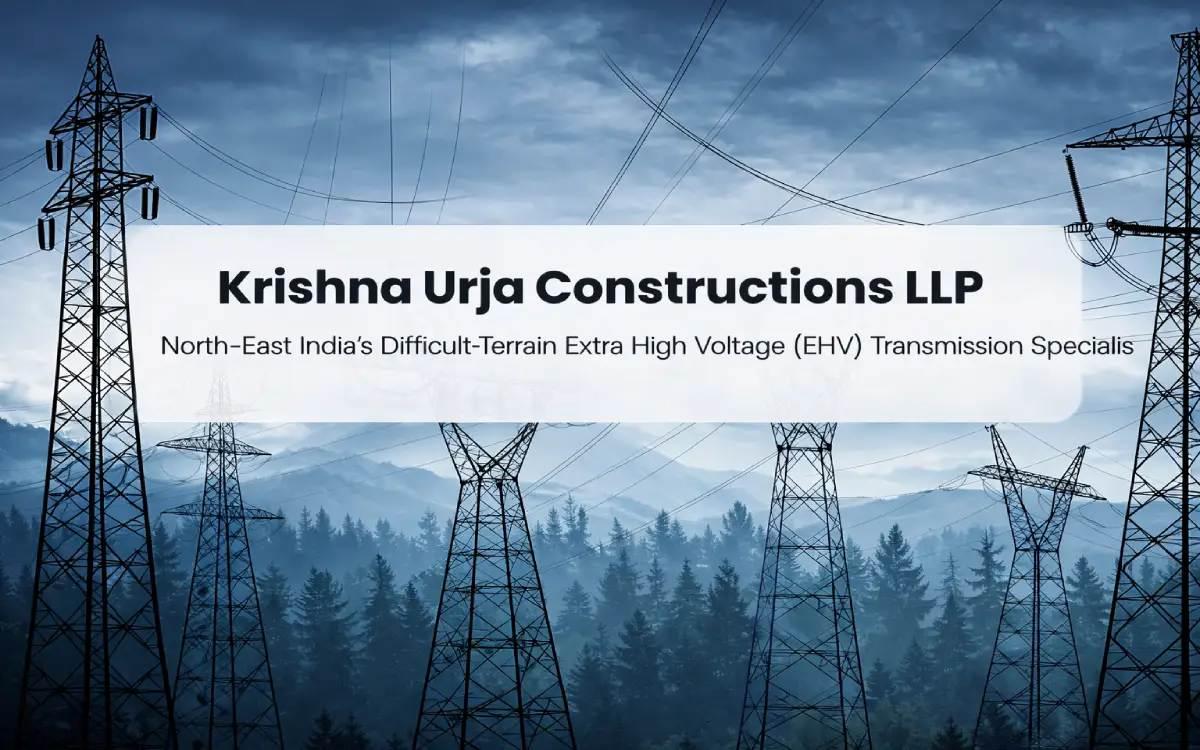
Electricity is one of the most important requirements of modern life. Homes, industries, offices, schools, hospitals, and businesses all depend on a continuous supply of power. While power generation often receives the most attention, the process of delivering electricity from power plants to consumers is equally important.
The transportation of electricity requires a strong and reliable transmission network. This network acts as a bridge between power generation stations and distribution systems. Without transmission infrastructure, electricity cannot reach the places where it is needed.
Assam State Transmission Companies play a major role in maintaining this important connection. They are responsible for transmitting electricity across the state, ensuring that power generated at various sources reaches substations safely and efficiently. Their work supports economic growth, industrial development, and the daily needs of millions of people.
This article explains the key functions of transmission companies in Assam and highlights their importance in the state's power sector.
Understanding the Role of Transmission Companies
Before electricity reaches homes and businesses, it must travel long distances from generating stations. Transmission companies manage this movement through high-voltage transmission lines, substations, towers, and related infrastructure.
The primary responsibility of a transmission company is to ensure that electricity flows smoothly from one point to another with minimum losses. They also maintain and upgrade the transmission network to meet growing electricity demand.
Transmission companies act as the backbone of the power sector because they connect electricity producers with distribution companies.
Why Transmission Infrastructure Is Important
Electricity cannot be stored in large quantities easily. It must be delivered almost instantly after it is generated. This makes transmission systems extremely important.
A strong transmission network offers several benefits:
- Reliable electricity supply
- Reduced power interruptions
- Better grid stability
- Support for industrial growth
- Improved rural electrification
- Efficient use of power resources
As Assam continues to develop economically, the demand for a dependable transmission network continues to increase.
Key Functions of Assam State Transmission Companies
1. Transmission of Electricity Across the State
One of the most important functions is transmitting electricity from generating stations to substations located in different regions.
Power plants generate electricity that must travel through high-voltage transmission lines. Transmission companies ensure that this movement happens efficiently and safely.
Without these transmission networks, electricity would not be able to reach cities, towns, industries, and rural areas.
2. Development of Transmission Infrastructure
The demand for electricity increases every year due to population growth, urbanization, and industrial expansion.
Transmission companies continuously develop new infrastructure such as:
- Transmission towers
- High-voltage lines
- Grid substations
- Switching stations
- Control systems
These projects help strengthen the electricity network and improve power delivery throughout Assam.
3. Maintenance of Transmission Lines
Building transmission infrastructure is only part of the job. Maintaining it is equally important.
Transmission companies regularly inspect and maintain:
- Transmission towers
- Conductors
- Insulators
- Ground wires
- Substation equipment
Routine maintenance helps identify potential issues before they become major problems. This reduces the risk of outages and improves overall system reliability.
4. Grid Management and Stability
Electricity demand changes throughout the day. During peak hours, power consumption rises significantly.
Transmission companies monitor the power grid continuously to maintain balance between electricity generation and consumption.
Their responsibilities include:
- Load management
- Voltage regulation
- Frequency control
- Emergency response
- Grid monitoring
Effective grid management helps prevent blackouts and ensures uninterrupted electricity supply.
5. Construction of New Substations
Substations are critical parts of the transmission system. They help transform voltage levels and direct electricity flow to different areas.
As electricity demand grows, new substations become necessary.
Transmission companies plan, design, and construct substations to:
- Improve network reliability
- Support urban expansion
- Connect new industries
- Reduce transmission congestion
- Enhance power quality
Substations play a major role in ensuring efficient power distribution.
6. Reducing Transmission Losses
Some amount of electricity is naturally lost during transmission. However, modern technologies can significantly reduce these losses.
Transmission companies work to improve efficiency by:
- Using advanced conductors
- Upgrading old infrastructure
- Installing modern equipment
- Optimizing transmission routes
- Improving grid management
Reducing losses helps save energy and lowers operational costs.
7. Supporting Industrial Development
Industries require large amounts of reliable electricity for production activities.
A strong transmission network helps industries operate efficiently without frequent disruptions.
Transmission companies support industrial growth by:
- Providing stable power supply
- Connecting industrial zones
- Expanding transmission capacity
- Improving power reliability
As industrial investments increase in Assam, the role of transmission companies becomes even more important.
8. Facilitating Rural Electrification
Many rural communities depend on transmission infrastructure to access electricity.
Transmission companies help extend power networks to remote locations by building transmission lines and substations in underserved regions.
Benefits of rural electrification include:
- Better education facilities
- Improved healthcare services
- Increased agricultural productivity
- Enhanced quality of life
- Economic opportunities
Their efforts contribute significantly to regional development.
9. Integration of Renewable Energy Sources
Renewable energy is becoming an important part of India's energy future.
Sources such as:
- Solar power
- Wind power
- Small hydro projects
- Biomass energy
need reliable transmission networks to connect with the grid.
Transmission companies develop infrastructure that allows renewable energy projects to deliver electricity efficiently to consumers.
This helps support sustainable energy goals while maintaining grid stability.
10. Ensuring Safety Standards
Transmission systems operate at very high voltage levels, making safety a top priority.
Transmission companies follow strict safety standards during:
- Construction activities
- Equipment installation
- Maintenance operations
- Emergency repairs
- Grid management
Proper safety measures protect workers, equipment, and the public.
Regular inspections and compliance checks ensure that the transmission network remains safe and reliable.
Importance of Modern Technology in Transmission Operations
Technology has transformed the way transmission networks are managed.
Modern transmission companies use advanced systems such as:
Supervisory Control and Data Acquisition (SCADA)
SCADA systems provide real-time monitoring and control of transmission infrastructure.
Benefits include:
- Faster fault detection
- Improved operational efficiency
- Better grid management
- Enhanced reliability
Digital Monitoring Systems
Advanced sensors and monitoring tools help identify issues before they lead to failures.
These technologies improve preventive maintenance and reduce downtime.
Automation
Automation reduces manual intervention and improves system performance.
Automated operations help transmission companies respond quickly to changing grid conditions.
Challenges Faced by Transmission Companies
Despite their critical role, transmission companies face several challenges.
Growing Electricity Demand
Increasing population and industrialization create higher demand for electricity.
Meeting this demand requires continuous infrastructure expansion.
Difficult Terrain
Certain regions of Assam have challenging geographical conditions.
Building transmission lines in such areas often requires additional planning and resources.
Weather Conditions
Heavy rainfall, storms, floods, and strong winds can affect transmission infrastructure.
Companies must invest in resilient systems capable of withstanding harsh weather conditions.
Land Acquisition
New transmission projects require land for towers, substations, and associated facilities.
Acquiring land while balancing environmental and social concerns can be a complex process.
Infrastructure Upgrades
Older transmission systems require modernization to meet current and future electricity requirements.
Upgrading infrastructure involves significant investment and careful planning.
Future of Transmission Networks in Assam
The future of Assam's power sector depends heavily on a strong and modern transmission network.
Several developments are expected to shape the future:
Smart Grid Technologies
Smart grids will improve efficiency, monitoring, and reliability.
These technologies allow better control of electricity flow and faster response to faults.
Expansion of Renewable Energy
As renewable energy projects increase, transmission networks will need further expansion to integrate new power sources.
Higher Capacity Transmission Lines
Modern high-capacity transmission lines will support growing electricity demand while reducing losses.
Digital Transformation
Digital technologies will improve asset management, maintenance planning, and operational performance.
Improved Grid Connectivity
Better connectivity between different regions will enhance overall power system reliability and support economic growth.
Benefits of Efficient Transmission Systems
An efficient transmission network provides advantages to consumers, industries, and governments alike.
Some major benefits include:
- Reliable electricity supply
- Reduced power outages
- Better economic development
- Increased industrial productivity
- Improved energy efficiency
- Enhanced renewable energy integration
- Support for rural development
- Greater grid stability
These benefits highlight why transmission companies remain a vital part of the electricity sector.
Conclusion
The role of Assam State Transmission Companies extends far beyond simply moving electricity from one location to another. They are responsible for building, operating, maintaining, and expanding the transmission network that supports homes, businesses, industries, and public services throughout the state.
Their key functions include electricity transmission, infrastructure development, grid management, maintenance, safety compliance, renewable energy integration, and support for economic growth. As electricity demand continues to rise, transmission companies will play an even greater role in ensuring reliable and efficient power delivery.
Organizations involved in transmission infrastructure development, such as Krishna Urja Constructions, contribute to strengthening the power sector by supporting projects that improve network reliability and future readiness. With continued investment and modernization, Assam's transmission network will remain a strong foundation for sustainable growth and development.

 English
 Arabic
 French
 Spanish
 Portuguese
 Turkish
 Dutch
Dutch
 Italiano
 Russian
 Romaian
 Portuguese (Brazil)
 Greek
Greek