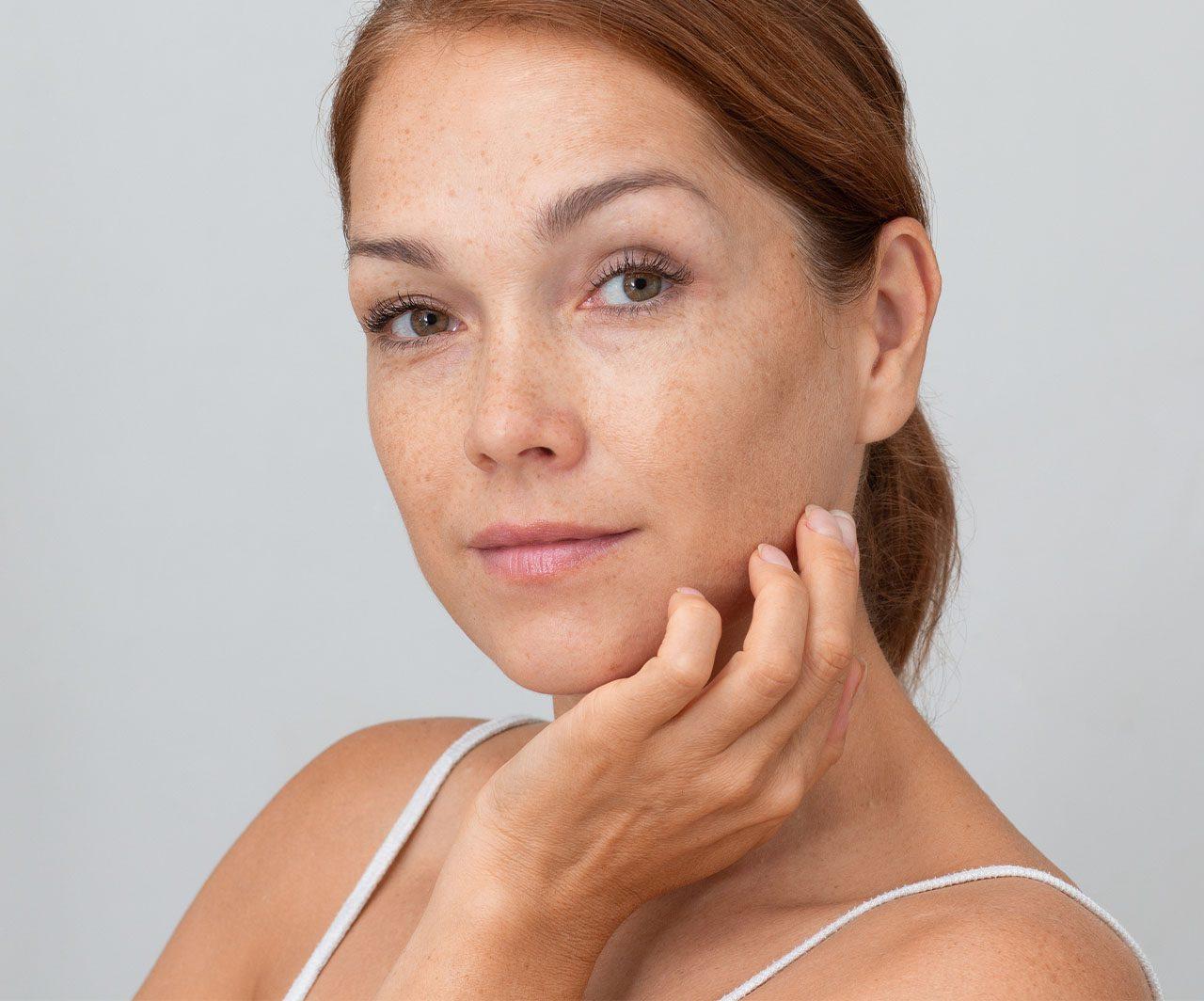
Skin discoloration is one of the most common cosmetic concerns affecting people of all ages and skin types. While many individuals notice dark spots, uneven patches, or tiny brown marks on their skin, they often struggle to identify the exact cause. Understanding the differences between freckles, melasma, and hyperpigmentation is essential for choosing the right skincare approach and achieving a more even complexion. Many people seeking Skin Pigmentation Treatment in Islamabad are surprised to learn that these conditions have different causes, appearances, and treatment requirements.
Understanding Skin Pigmentation
Skin pigmentation refers to the color of the skin, which is primarily determined by melanin. Melanin is a natural pigment produced by specialized cells called melanocytes. When these cells produce excess melanin or distribute it unevenly, visible discoloration can develop on the skin.
Although freckles, melasma, and hyperpigmentation all involve changes in skin color, they are not the same condition. Recognizing their unique characteristics can help individuals make informed decisions regarding prevention and treatment.
What Are Freckles?
Freckles are small, flat brown or tan spots that commonly appear on sun-exposed areas of the body, particularly the face, shoulders, arms, and chest. They are often associated with genetic factors and are more common among individuals with lighter skin tones.
Freckles usually become darker when exposed to sunlight and may fade during seasons with less sun exposure. Unlike other pigmentation disorders, freckles are generally harmless and do not indicate underlying skin damage.
One of the defining features of freckles is their size and distribution. They appear as numerous tiny spots scattered across the skin rather than forming large patches.
Common Causes of Freckles
- Genetic predisposition
- Frequent sun exposure
- Fair skin complexion
- Increased sensitivity to ultraviolet rays
What Is Melasma?
Melasma is a chronic pigmentation condition characterized by larger, symmetrical patches of brown, gray-brown, or dark pigmentation. It most commonly develops on the cheeks, forehead, nose, and upper lip.
Unlike freckles, melasma often appears in broader areas and can be more difficult to treat. Hormonal fluctuations play a major role in its development, making it particularly common among women.
Sun exposure can worsen melasma significantly because ultraviolet radiation stimulates melanin production. Even minimal sunlight exposure may trigger darker patches in susceptible individuals.
Common Causes of Melasma
- Hormonal changes
- Pregnancy-related hormonal shifts
- Oral contraceptives
- Sun exposure
- Genetic factors
- Certain skincare products that increase skin sensitivity
What Is Hyperpigmentation?
Hyperpigmentation is a broad term used to describe any area of skin that becomes darker than the surrounding skin due to excess melanin production. Unlike freckles and melasma, hyperpigmentation is not a specific condition but rather a category that includes various forms of discoloration.
Post-inflammatory hyperpigmentation is one of the most common types. It occurs after skin trauma, acne, burns, cuts, or inflammatory skin conditions. Once the skin heals, dark spots may remain behind.
Hyperpigmentation can vary greatly in size, depth, and severity depending on its underlying cause.
Common Causes of Hyperpigmentation
- Acne scars
- Skin injuries
- Inflammatory skin conditions
- Excessive sun exposure
- Certain medications
- Hormonal changes
- Aging
Key Differences Between Freckles, Melasma, and Hyperpigmentation
Understanding the distinctions between these conditions helps determine the most effective management strategy.
Appearance
Freckles appear as small, scattered brown spots. Melasma presents as larger, symmetrical patches with clearly visible borders. Hyperpigmentation can appear as isolated spots, patches, or widespread darkened areas depending on the cause.
Cause
Freckles are primarily genetic and triggered by sun exposure. Melasma is strongly linked to hormonal influences combined with sun exposure. Hyperpigmentation develops from multiple causes, including inflammation, injury, aging, and environmental factors.
Distribution
Freckles are usually scattered across sun-exposed skin. Melasma commonly affects the central facial region in a symmetrical pattern. Hyperpigmentation may occur anywhere on the body where melanin production has increased.
Treatment Response
Freckles often respond well to sun protection and targeted cosmetic treatments. Melasma requires a more comprehensive approach because it has a tendency to recur. Hyperpigmentation treatment depends largely on identifying and addressing the underlying trigger.
Why Accurate Diagnosis Matters
Many people assume all dark spots are the same, leading them to use ineffective products or treatments. Proper identification allows individuals to select the most suitable skincare routine and professional intervention.
For example, a treatment that works well for freckles may not provide satisfactory results for melasma. Similarly, post-inflammatory hyperpigmentation often requires different management techniques than hormonally induced pigmentation.
An accurate assessment helps reduce unnecessary frustration and supports better long-term outcomes.
Prevention Tips for All Types of Pigmentation
Although each pigmentation condition has unique causes, certain preventive measures can help minimize discoloration and maintain a more even skin tone.
Prioritize Sun Protection
Daily sunscreen use remains one of the most important strategies for preventing pigmentation from worsening. Broad-spectrum protection helps shield the skin from harmful ultraviolet rays that stimulate melanin production.
Avoid Excessive Sun Exposure
Limiting direct sunlight during peak hours can significantly reduce pigmentation risks. Wearing protective clothing and hats can further enhance protection.
Maintain a Healthy Skincare Routine
Gentle cleansing, regular moisturization, and the use of suitable skincare products help support overall skin health and reduce the likelihood of inflammation-related pigmentation.
Address Skin Conditions Early
Treating acne, irritation, and inflammatory skin concerns promptly may help prevent post-inflammatory hyperpigmentation from developing.
Achieving Clearer and More Even-Toned Skin
Freckles, melasma, and hyperpigmentation may appear similar at first glance, but each condition has distinct causes, patterns, and treatment considerations. Understanding these differences allows individuals to make informed choices and seek appropriate care when needed. Whether pigmentation develops due to genetics, hormones, sun exposure, or inflammation, early intervention and consistent skin protection can make a noticeable difference. Individuals exploring Skin Pigmentation Treatment in Islamabad often achieve better results when their specific type of pigmentation is accurately identified and managed through a personalized skincare approach.
FAQs
Are freckles permanent?
Freckles can fade over time, especially with reduced sun exposure, but some may remain visible due to genetic factors.
Can melasma disappear on its own?
In some cases, melasma may improve when hormonal triggers are removed, but many individuals require ongoing management to control recurrence.
Is hyperpigmentation harmful?
Most forms of hyperpigmentation are harmless, though persistent or unusual discoloration should be evaluated to rule out underlying concerns.
Does sunscreen help with pigmentation?
Yes, sunscreen is one of the most effective ways to prevent pigmentation from worsening and supports the success of treatment efforts.
Can acne cause hyperpigmentation?
Yes, acne is one of the leading causes of post-inflammatory hyperpigmentation, particularly in individuals with medium to darker skin tones.
How can I tell whether I have freckles, melasma, or hyperpigmentation?
The appearance, location, and cause of the pigmentation provide important clues, but a professional skin assessment offers the most accurate diagnosis.

 English
 Arabic
 French
 Portuguese
 Deutsch
 Turkish
 Dutch
Dutch
 Italiano
 Russian
 Romaian
 Portuguese (Brazil)
 Greek
Greek