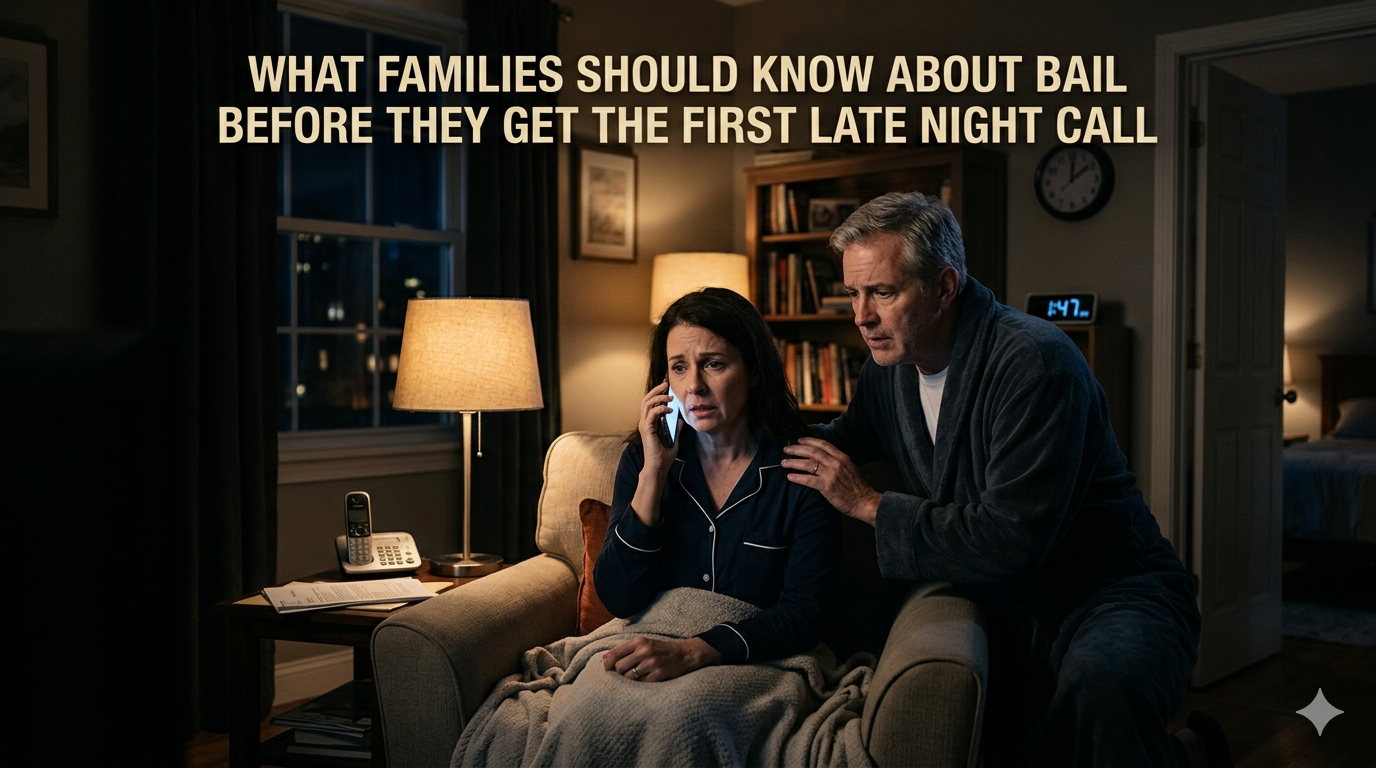
The call usually comes when no one is ready for it. A son, daughter, spouse, sibling, or close friend has been arrested. The voice on the phone sounds scared. The family feels confused. Questions come fast. Where are they being held? How much is bail? Can they come home tonight? This is the moment when knowing the basics can help a family stay calm and make better choices. Families in Wake County often start by speaking with a local service such as 24/7 bail bonds raleigh nc because time matters and the first few hours can feel overwhelming.
Bail is not a punishment. It is part of the court process. In simple terms, bail gives a person a way to leave jail while the case moves forward. The court uses bail to help make sure the person returns for future hearings. The case is not over when someone posts bail. The charges still need to be handled in court.
For families, this detail matters. Getting someone released does not mean the court has dropped the case. It means the person can wait for court at home instead of in jail, as long as they follow the rules set by the court.
What Bail Means for the Family
When someone is arrested, they may have to appear before a magistrate or judge. That official looks at the situation and decides the release conditions. The decision can depend on the charge, past court history, public safety concerns, and whether the person is likely to return to court.
Sometimes the court may release a person with a written promise to appear. In other cases, the court may set an unsecured bond, a secured bond, or other conditions. A secured bond usually means money or a bail bond must be posted before the person can leave jail.
This is where many families get confused. They hear a bond amount and think they must pay the full amount in cash. That is not always the case. A bail bond company can often post the bond for a fee. The family or co-signer agrees to take responsibility for making sure the defendant goes to court.
A co-signer should understand what they are signing. This is not just paperwork. It is a financial agreement. If the defendant misses court, the bond may be forfeited. The court may issue a warrant. The co-signer may also face financial responsibility depending on the bond agreement.
Before signing, families should ask clear questions:
What is the total bond amount?
What fee must be paid?
Is collateral required?
What happens if the defendant misses court?
What court dates must be followed?
A good bail bond agent should explain these points in plain language. No family should feel rushed into signing something they do not understand.
What Happens After Bail Is Posted
Once bail is posted and the jail completes its process, the person can be released. Release time can vary. It may depend on the jail, staffing, paperwork, and the time of day. Families should stay patient and keep their phones available.
After release, the real responsibility begins. The defendant must follow every court order. This may include appearing at all hearings, avoiding contact with certain people, staying away from certain places, or following other conditions from the court.
Missing court is one of the biggest mistakes a defendant can make. Even if the reason seems small, the court may treat it seriously. A missed date can lead to a new warrant, bond forfeiture, and more stress for the family.
Families can help by keeping a written record of every court date. Put reminders on phones. Write the date on a calendar. Confirm the courtroom, time, and location. If the defendant has an attorney, stay in contact with that attorney about schedule changes.
It also helps to keep all bail paperwork in one place. Families should save receipts, bond forms, court notices, and contact details for the bail bond company. When stress is high, organized papers can prevent confusion.
How Families Can Make Better Decisions
The first reaction after an arrest is often panic. That is normal. Still, families should slow down enough to ask the right questions. A fast decision is not always a bad decision, but an uninformed decision can create problems later.
Start by confirming the person’s full name, date of birth, jail location, and charges if available. Then ask whether a bond has been set. If it has not been set yet, the family may need to wait for the magistrate or first appearance.
Families should also avoid making promises they cannot keep. If the bond agreement requires payment, collateral, or co-signer responsibility, everyone involved should be honest about what they can afford. Bail is meant to help a person return home, not put the whole family into a deeper financial strain.
It is also smart to remember that a bail bond agent is not the same as a defense attorney. A bondsman helps with release from jail. An attorney helps with the legal defense. In many cases, families may need both.
The best support a family can give is steady support. Help the defendant get home, remind them of court dates, encourage them to speak with an attorney, and make sure they follow all release conditions. A calm family can make a difficult process easier to manage.
Bail can feel confusing at first, but families do not have to face it alone. With the right information and the right help, they can take the next step with more confidence. If your family needs help understanding the bail process, release options, or bond paperwork, FreedomWay Bail Bonds is ready to guide you with clear answers and fast service. For families in Cumberland County, speaking with a trusted bondsman fayetteville nc can help you move from panic to action when every hour matters.

 English
 Arabic
 French
 Spanish
 Portuguese
 Turkish
 Dutch
Dutch
 Italiano
 Russian
 Romaian
 Portuguese (Brazil)
 Greek
Greek