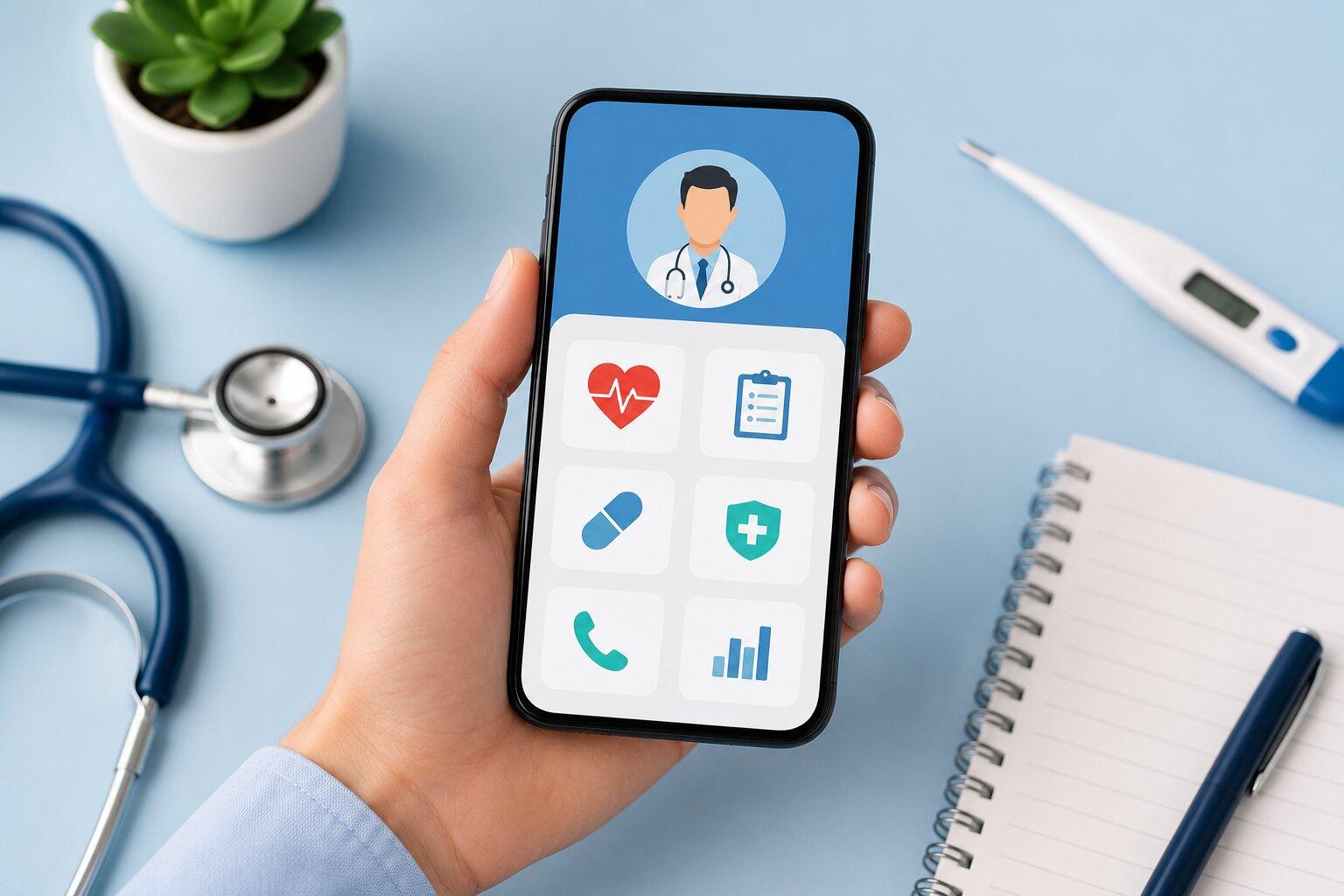
The healthcare industry is undergoing a major digital transformation, with mobile technology playing a crucial role in improving access to medical services. As smartphones become more common and internet connectivity expands, healthcare providers are leveraging mobile applications to reach patients more effectively than ever before. Healthcare apps enable individuals to consult doctors, manage appointments, access medical records, and monitor their health from virtually anywhere.
Healthcare app development has emerged as a powerful solution for overcoming barriers that traditionally limited access to quality healthcare. By connecting patients and healthcare professionals through digital platforms, these applications are making medical services more convenient, efficient, and accessible. This article explores how healthcare app development is helping improve healthcare accessibility across different communities and patient groups.
Breaking Geographic Barriers in Healthcare
One of the biggest challenges in healthcare is providing quality medical services to people living in rural or remote areas. Many patients must travel long distances to reach healthcare facilities, which can delay diagnosis and treatment.
Healthcare apps help bridge this gap by offering telemedicine and virtual consultation services. Patients can connect with doctors through video calls, chat platforms, or voice consultations without leaving their homes. This significantly reduces travel time and expenses while ensuring timely medical attention.
For elderly individuals, disabled patients, or those with mobility limitations, mobile healthcare applications provide a practical and convenient way to receive medical guidance. As a result, healthcare services become more inclusive and accessible to a broader population.
Enabling 24/7 Access to Medical Information
Traditional healthcare services often operate within limited working hours, making it difficult for patients to access information outside clinic schedules. Healthcare applications solve this problem by providing round-the-clock access to essential medical resources.
Users can review their medical records, check medication schedules, access health articles, and communicate with healthcare providers whenever needed. Many apps also include symptom checkers and health assessment tools that help users make informed decisions about seeking medical care.
This constant availability empowers patients to take greater control of their health and ensures that important medical information remains accessible at all times.
How Healthcare App Development Supports Better Patient Access
Modern healthcare app development focuses on creating solutions that remove barriers between patients and healthcare providers. Developers build user-friendly applications that simplify healthcare processes and improve patient experiences.
Key features commonly included in healthcare apps include:
-
Online appointment scheduling
-
Telemedicine consultations
-
Electronic health records
-
Prescription management
-
Health monitoring tools
-
Secure messaging systems
-
Medication reminders
-
Emergency assistance features
These functionalities allow patients to receive medical support more efficiently while reducing administrative challenges for healthcare organizations.
By designing intuitive interfaces and ensuring seamless functionality, developers make healthcare services easier to access for users of all ages and technical skill levels.
Improving Appointment Scheduling and Management
Booking medical appointments can sometimes be a frustrating process involving phone calls, long wait times, and scheduling conflicts. Healthcare applications simplify this experience by offering online appointment management systems.
Patients can view doctor availability, schedule appointments, receive confirmations, and make changes directly through the app. Automated reminders also help reduce missed appointments and improve healthcare efficiency.
For healthcare providers, digital scheduling systems optimize resource allocation and reduce administrative workloads. This streamlined process benefits both patients and medical professionals by creating a more organized healthcare experience.
Supporting Remote Patient Monitoring
Remote patient monitoring has become increasingly important, especially for individuals managing chronic conditions such as diabetes, hypertension, and heart disease.
Healthcare apps can integrate with wearable devices and health monitoring equipment to collect real-time health data. Patients can track vital signs, medication adherence, and overall wellness through a single platform.
Healthcare professionals can review this information remotely and identify potential health concerns before they become serious. Early intervention improves patient outcomes and reduces the need for emergency care or hospital visits.
This capability is particularly valuable for patients who may have difficulty accessing healthcare facilities regularly.
Enhancing Communication Between Patients and Providers
Effective communication is essential for delivering quality healthcare. Mobile applications create direct communication channels between patients and healthcare professionals, making it easier to share information and receive guidance.
Secure messaging systems allow patients to ask questions, discuss symptoms, and receive follow-up instructions without scheduling additional appointments. This improved communication helps build stronger patient-provider relationships and encourages greater engagement in healthcare management.
Quick access to professional advice also helps patients address concerns before they escalate into more serious medical issues.
Increasing Healthcare Accessibility Through Multilingual Support
Language barriers can prevent patients from receiving proper medical care. Many healthcare applications now include multilingual support, making medical information and services accessible to diverse populations.
By offering content in multiple languages, healthcare providers can better serve communities with varying linguistic backgrounds. This inclusivity improves patient understanding, enhances communication, and promotes better healthcare outcomes.
Multilingual healthcare apps help ensure that more individuals can access important medical services regardless of their preferred language.
Strengthening Healthcare Through Data Security
Trust is critical in healthcare, especially when handling sensitive medical information. Healthcare app developers prioritize data security by implementing encryption, secure authentication methods, and compliance with healthcare regulations.
Strong security measures protect patient data and build confidence in digital healthcare solutions. When patients trust the technology, they are more likely to use mobile healthcare services regularly, increasing overall accessibility and engagement.
Secure platforms also enable healthcare providers to manage patient information efficiently while maintaining privacy and confidentiality.
Conclusion
Healthcare technology continues to reshape the way medical services are delivered and accessed. Mobile applications are helping eliminate geographic barriers, improve communication, support remote monitoring, and provide convenient access to healthcare resources. Through innovative healthcare app development, healthcare organizations can expand their reach and ensure that more patients receive timely and effective care.
As the demand for digital healthcare solutions continues to grow, investing in advanced healthcare applications will remain essential for improving accessibility and patient outcomes. Similar technological advancements are also driving innovation in other industries, with mobile app development services in Bangalore helping businesses create powerful digital solutions that enhance user experiences and operational efficiency.

 English
 Arabic
 French
 Spanish
 Portuguese
 Turkish
 Dutch
Dutch
 Italiano
 Russian
 Romaian
 Portuguese (Brazil)
 Greek
Greek