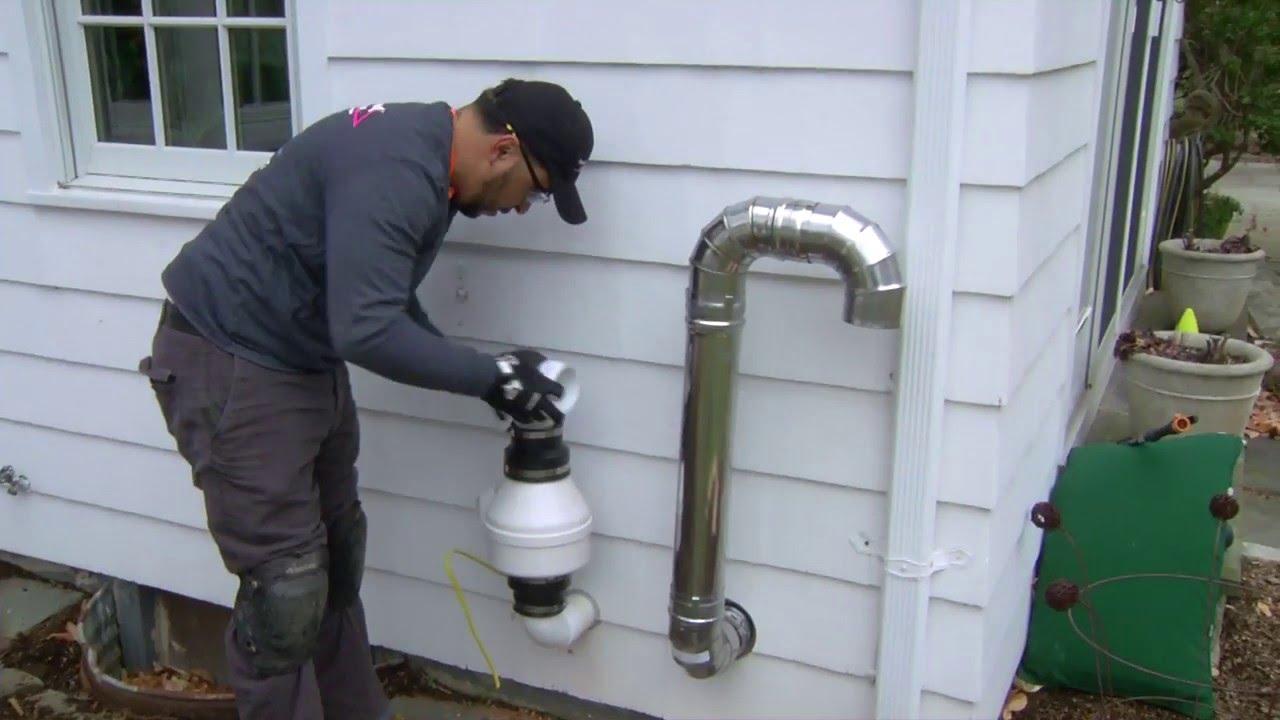
Introduction to Radon Testing
Radon testing is an essential part of maintaining a healthy indoor environment, yet many homeowners are still unaware of its importance. Radon is a naturally occurring radioactive gas that forms from the breakdown of uranium in soil, rock, and water. It is colorless, odorless, and tasteless, which makes it impossible to detect without proper testing equipment.
Because radon can enter homes through cracks in foundations, walls, and floors, it can accumulate indoors to dangerous levels over time. Long-term exposure to high radon levels is the second leading cause of lung cancer after smoking. This is why radon testing has become a critical step in home safety inspections.
In many cases, homeowners also combine radon testing with other environmental checks such as Mold inspection services to ensure overall indoor air quality and structural safety.
What Is Radon and How Does It Enter Your Home?
Radon gas is produced naturally underground and can move upward through the soil into buildings. It typically enters homes through:
- Foundation cracks
- Construction joints
- Gaps around pipes
- Crawl spaces
- Well water (in some cases)
Once inside, radon can become trapped, especially in poorly ventilated areas such as basements. Over time, it can reach harmful concentrations without any visible signs.
This is why regular radon testing is strongly recommended, especially in areas known for high radon potential.
Why Radon Testing Is Important for Health
The primary reason for radon testing is health protection. When radon gas decays, it releases radioactive particles that can be inhaled into the lungs. These particles damage lung tissue over time and significantly increase the risk of lung cancer.
Key health risks include:
- Increased risk of lung cancer (even in non-smokers)
- Higher risk for smokers exposed to radon
- Long-term respiratory complications
Health organizations worldwide recommend testing homes, schools, and workplaces regularly. Many professionals who offer Mold inspection services also emphasize radon testing as part of a complete indoor environmental assessment because both issues directly affect air quality.
When Should You Test for Radon?
Radon testing should be done in several situations:
1. When Buying a New Home
A radon test is often included in home inspections to ensure the property is safe before purchase.
2. After Renovations
Structural changes can alter ventilation and airflow, potentially increasing radon levels.
3. Every 2–5 Years
Even if previous tests showed low levels, radon conditions can change over time.
4. If You Live in a High-Risk Area
Some geographic regions have naturally higher radon concentrations due to soil composition.
Pairing radon testing with Mold inspection services ensures that both airborne and moisture-related risks are addressed simultaneously.
Types of Radon Testing Methods
There are two main types of radon testing methods used by professionals and homeowners:
Short-Term Testing
- Takes 2 to 7 days
- Provides quick results
- Useful for initial screening
Long-Term Testing
- Lasts 90 days or more
- Provides more accurate yearly average levels
- Recommended for final assessment
Professional inspectors often recommend long-term testing for a more reliable evaluation of radon exposure risks.
Understanding Radon Levels and Safety Limits
Radon levels are measured in picocuries per liter (pCi/L). The Environmental Protection Agency (EPA) suggests action if radon levels exceed 4 pCi/L.
Here’s a simple breakdown:
- 0–2 pCi/L: Low risk
- 2–4 pCi/L: Moderate risk
- 4+ pCi/L: High risk (action required)
If high levels are detected, mitigation systems such as soil suction and ventilation improvements can significantly reduce radon concentration.
Many homeowners who invest in Mold inspection services also choose radon mitigation at the same time, as both improve indoor environmental safety.
Radon Mitigation: What Happens If Levels Are High?
If radon testing reveals unsafe levels, mitigation is the next step. Common radon reduction methods include:
- Sub-slab depressurization systems
- Sealing foundation cracks
- Improving home ventilation
- Installing radon sum pumps
These systems are highly effective and can reduce radon levels by up to 99% in many cases.
Professionals offering Mold inspection services often collaborate with radon specialists to ensure homes are safe from both moisture damage and radioactive gas exposure.
Radon Testing for Businesses and Commercial Buildings
Radon is not just a residential concern. Offices, schools, and commercial buildings can also trap radon gas, especially in basements or ground-level floors.
Regular testing helps business owners:
- Protect employee health
- Comply with safety regulations
- Improve indoor air quality
- Reduce long-term liability risks
Commercial property inspections frequently include radon testing alongside Mold inspection services to provide a complete environmental safety report.
Benefits of Professional Radon Testing
While DIY radon kits are available, professional testing offers several advantages:
- More accurate measurements
- Certified equipment
- Expert interpretation of results
- Integration with other inspections
- Reliable mitigation recommendations
Professional inspectors often bundle radon testing with Mold inspection services for a more comprehensive evaluation of indoor environmental risks.
How Radon Testing Improves Long-Term Property Value
A home that has been tested for radon and properly mitigated is often more attractive to buyers. It shows that the property is safe, well-maintained, and environmentally responsible.
Benefits include:
- Increased buyer confidence
- Faster property sales
- Higher market value
- Reduced negotiation risks
Real estate professionals increasingly recommend radon testing as part of standard pre-sale inspections.
Conclusion
Radon testing is a crucial step in ensuring a safe living or working environment. Because radon is invisible and odorless, only proper testing can reveal its presence. Left unchecked, it can pose serious long-term health risks.
Combining radon testing with services like Mold inspection services provides a complete picture of indoor air quality and structural safety. Whether you are a homeowner, buyer, or business owner, regular testing helps protect both health and property value.
Investing in radon testing today is a proactive step toward a safer and healthier future.

 English
 French
 Spanish
 Portuguese
 Deutsch
 Turkish
 Dutch
Dutch
 Italiano
 Russian
 Romaian
 Portuguese (Brazil)
 Greek
Greek