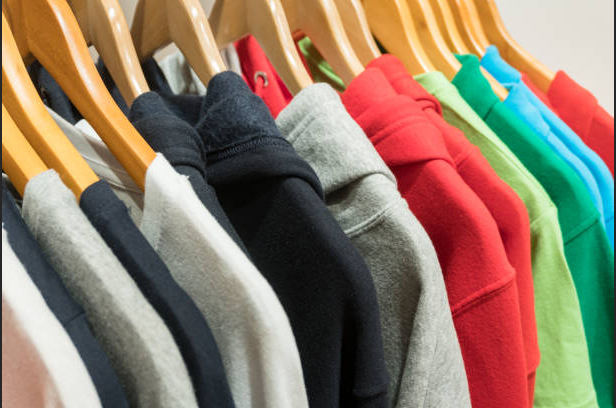
Choosing the right clothing for changing weather is not only about style. Fabric weight plays a major role in comfort, durability, warmth, and breathability. From humid Southern summers to icy Midwest winters, understanding fabric weights can help you build a wardrobe that actually works for your climate.
Many shoppers focus on color, fit, or design first, but the fabric's weight often determines whether a piece becomes a favorite or stays untouched in the closet. A lightweight tee may feel perfect in Arizona but too thin for New England mornings. Similarly, a heavy hoodie might feel cozy in Colorado but uncomfortable in Florida.
Key Takeaways
-
Lightweight fabric weights work best in hot and humid regions like Florida and Texas.
-
Midweight fabrics are ideal for moderate climates because they balance comfort and durability.
-
Heavyweight Weights fabric provides better insulation for colder regions such as the Midwest and Northeast.
-
A 100% cotton unisex classic tee is a strong option for breathable everyday wear in warm weather.
-
Long-sleeve shirts made with midweight cotton are excellent for layering during seasonal transitions.
-
Men's hoodies between 10 oz and 14 oz offer better warmth and structure for winter conditions.
-
Women’s t-shirts & hoodies in midweight fabrics are versatile for year-round use.
-
Choosing the right Weights fabric improves comfort, longevity, and overall wearability.
Understanding Fabric Weights
Fabric weight refers to how heavy or light a material feels. It is usually measured in ounces per square yard (oz/yd²) or grams per square meter (GSM).
In simple terms:
-
Lightweight fabrics feel airy and breathable
-
Midweight fabrics balance comfort and durability
-
Heavyweight fabrics provide insulation and structure
Different garments use different weight ranges. For example, long-sleeve shirts designed for layering often use midweight cotton, while winter hoodies rely on heavier fleece for warmth.
Understanding fabric weights helps consumers choose clothing that matches both weather conditions and daily comfort needs.
Lightweight Fabrics for Warm Southern States
Regions
-
Florida
-
Texas
-
Louisiana
-
Southern California
-
Arizona
Warm and humid areas require fabrics that breathe well and dry quickly. Lightweight cotton and cotton blends are ideal because they reduce heat buildup and allow airflow.
Best Tee Weights
For hot climates, tees weighing 3.5-4.5 oz work best. A lightweight 100% cotton unisex classic tee is especially popular because it feels soft without trapping too much heat.
These lighter shirts are excellent for:
-
Daily casual wear
-
Outdoor events
-
Layering without overheating
-
Beach and travel clothing
Hoodie Recommendations
In warmer states, heavy fleece hoodies are rarely practical. Lightweight men's hoodies between 6 oz and 8 oz offer enough coverage for cool evenings without becoming uncomfortable during daytime wear.
French terry fabrics are often better than thick fleece in humid regions because they breathe more effectively.
Beanie Choices
People living in warmer climates typically benefit from thin knit beanies or lightweight cotton blends. Heavy wool beanies can quickly become too warm.
Midweight Fabrics for Moderate Climates
Regions
-
Pacific Northwest
-
Mid-Atlantic states
-
Northern California
-
Tennessee
-
North Carolina
Moderate climates experience seasonal shifts, making versatility important. Midweight fabric weights work especially well because they adapt to a wide range of temperatures.
Ideal Tee Weights
Tees around 5-6 oz provide a balanced feel. They are durable enough for repeated wear but still breathable during warmer months.
Many consumers choose women’s t-shirts & hoodies in this weight range because they offer year-round usability without feeling too thin or bulky.
Midweight cotton also holds shape better after washing, making it practical for everyday wardrobes.
Long Sleeve Shirts for Layering
Long-sleeve shirts become highly useful in moderate climates where mornings and evenings can be chilly.
Midweight cotton long sleeves:
-
Layer comfortably under jackets
-
Provide mild insulation
-
Work across spring and fall seasons
-
Offer better durability than ultra-light fabrics
A fabric weight of around 5.5 oz often gives the best balance between warmth and flexibility.
Hoodie Recommendations
Midweight hoodies weighing 8-10 oz are usually ideal for regions with variable weather. These hoodies can be worn alone in the fall or layered in colder months.
Heavyweight Fabrics for Cold Northern Regions
Regions
-
Midwest
-
Northeast
-
Rocky Mountains
-
Alaska
-
Upper Great Plains
Cold-weather states demand higher fabric weights because insulation becomes essential.
Heavyweight Tees
Heavyweight tees generally range from 6 oz to 7 oz or more. These fabrics:
-
Retain heat better
-
Feel sturdier
-
Last longer
-
Resist wear from layering
They are especially useful during colder months when lightweight shirts no longer provide enough warmth.
Hoodies for Harsh Winters
In colder regions, heavyweight men's hoodies become wardrobe essentials. Hoodies between 10 oz and 14 oz provide significantly better wind and cold-weather insulation.
Fleece-lined interiors are particularly effective for:
-
Snowy weather
-
Outdoor work
-
Winter commuting
-
Cold morning activities
Higher fabric weights also help hoodies maintain structure after frequent washing and heavy use.
Best Beanies for Winter
Cold climates benefit from dense knit or wool beanies. Thick materials help trap body heat and protect against wind exposure.
Look for:
-
Double-layer knits
-
Wool blends
-
Fleece-lined interiors
-
Ribbed construction for better insulation
Conclusion
Choosing the right clothing becomes much easier when you understand how fabric weight affects comfort, warmth, and breathability. A lightweight tee may be perfect for Southern heat, while heavier hoodies and insulated beanies make far more sense in colder northern states.
The right fabric weight supports not only comfort but also long-term wearability. Instead of relying solely on trends, paying attention to material weight helps create a wardrobe that performs well throughout the year and across changing conditions.
FAQs
What is considered a heavyweight t-shirt?
A heavyweight t-shirt is typically 6 oz or heavier. These shirts feel thicker, more structured, and generally last longer than lightweight options.
Are heavier hoodies always warmer?
Usually, yes, but fabric type also matters. A lighter hoodie with high-quality fleece insulation can sometimes feel warmer than a heavier basic cotton hoodie.
Which fabric weight works best for travel?
Midweight fabrics are often best for travel because they adapt well to different temperatures and layer easily.
Do fabric weights affect durability?
Yes. Higher Fabric Weights generally improve durability because thicker materials resist stretching, tearing, and wear over time.
Are cotton beanies good for winter?
Cotton beanies work well in mild cold weather, but wool or fleece-lined beanies provide better insulation in freezing temperatures.

 Arabic
 French
 Spanish
 Portuguese
 Deutsch
 Turkish
 Dutch
Dutch
 Italiano
 Russian
 Romaian
 Portuguese (Brazil)
 Greek
Greek