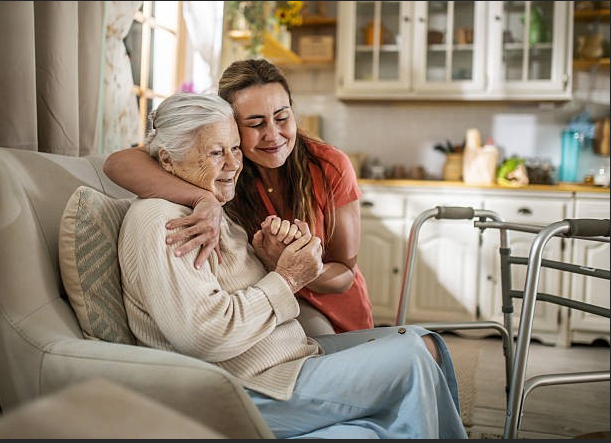
A single fall can change daily life for an older adult in ways many families do not expect. It can affect mobility, confidence, independence, and emotional well-being long after physical injuries begin to heal. That is one reason conversations around older adult falls continue growing in 2026.
More families are realizing that falls are not random accidents. In many cases, they are linked to home safety risks, mobility challenges, and routines that no longer match a senior’s changing needs. The latest data shows why prevention matters more than ever.
The Latest Data on Older Adult Falls
According to the CDC, more than 14 million adults aged 65 and older report falling every year in the United States. Around one in four older adults experiences a fall annually, and many suffer injuries serious enough to affect their ability to live independently.
The CDC also reports that falls are the leading cause of injury-related deaths among older adults. Emergency departments continue seeing millions of fall-related visits every year, especially involving fractures, head injuries, and mobility complications.
But these numbers only show part of the problem. Behind every fall-related visit is an older adult who may return home feeling less steady, less confident, and more afraid of everyday movement. A fall can make a familiar hallway feel risky, a bathroom feel unsafe, or a short walk feel stressful.
The National Council on Aging explains that fear of falling can reduce physical activity, which may weaken muscles and increase future fall risks.
This is why older adult falls should not be viewed only as physical accidents. They can create a difficult cycle where fear leads to less movement, less movement leads to weakness, and weakness increases the risk of another fall.
Why Falls Often Happen Inside the Home
Most falls happen during ordinary daily activities. A person may be walking to the bathroom at night, carrying laundry, stepping out of the shower, or reaching for something in the kitchen. The National Institute on Aging recommends room-by-room fall prevention because so many household hazards are easy to miss.
Lighting is one of the biggest issues. Dim hallways, poorly lit staircases, and dark bathrooms make movement harder for older adults with vision changes. Clutter also creates risks, especially in homes where pathways become crowded with cords, rugs, baskets, or furniture.
Medication side effects can also contribute to falls. Some medications may cause dizziness, fatigue, or slower reaction times. Poor sleep and dehydration may increase risks as well.
Families balancing work, caregiving, errands, and caregiver scheduling responsibilities may not always notice these changes immediately. That is why regular observation and safety checks matter.
Most Common Household Fall Hazards
Bathrooms remain one of the highest-risk areas inside the home because wet floors and tight spaces make balance more difficult. Bathtubs without grab bars, slippery tile, and low toilets can create serious challenges for seniors with weaker mobility.
Stairs are another major concern, especially when handrails feel unstable or when lighting is poor. Bedrooms can also become risky when shoes, clothing, or electrical cords block walking paths.
Living rooms may seem safe, but loose rugs, unstable chairs, and cluttered walkways often contribute to falls, too.
Many caregiving stories shared by families involve hazards they did not recognize until after an accident happened. A rug corner that never seemed dangerous before suddenly becomes the reason for a broken hip or hospital visit.
This is why fall prevention should be proactive instead of reactive.
Data-Driven Insights on Why Home Safety Products Matter
Home safety products are becoming increasingly important because more seniors are choosing to age at home instead of moving into assisted living communities. The CDC’s STEADI initiative encourages practical home adjustments to reduce fall risks among older adults.
Simple products can improve safety without making a home feel clinical or uncomfortable. Common examples include:
-
Grab bars
-
Shower chairs
-
Raised toilet seats
-
Motion sensor lights
-
Non-slip bath mats
-
Bed rails
-
Stair railings
-
Walking aids
These products work best when they are chosen based on real movement patterns inside the home. Good care management often includes looking at how a person moves through daily routines and identifying where support is missing. Families may notice that a loved one holds onto furniture while walking, avoids certain rooms, or hesitates before using stairs. Those small signs can point to places where safety products may help.
Consistent observation also matters. When families are managing work, appointments, and caregiver scheduling, it is easy to miss small changes in balance or confidence. Regular check-ins or companionship care can help these changes become more visible before a serious fall happens.
The goal is not to make the home feel like a medical space. It is to make daily life safer, easier, and more comfortable. The right safety products can help older adults keep moving with more confidence while reducing preventable risks at home.
Conclusion
The data behind older adult falls shows how serious and widespread these accidents have become in 2026. But beyond the statistics are real people whose confidence, mobility, and daily routines can change after one fall at home.
Simple safety improvements, better observation, and practical home products can help reduce risks before injuries happen. Fall prevention is not about making seniors dependent. It is about helping them move through daily life with greater comfort, confidence, and security in the place they know best.
FAQs
How can families tell if an older adult is becoming a fall risk?
Slower walking, holding onto furniture, trouble standing up, frequent stumbling, or avoiding stairs may all signal increased fall risk.
Does companionship care help reduce fall risks?
Yes. Regular companionship care can help others notice balance changes, mobility struggles, or unsafe routines before a serious fall occurs.
What home areas should families check first for fall hazards?
Bathrooms, stairways, bedrooms, kitchens, and hallways are some of the most common areas where household falls happen.

 Arabic
 French
 Spanish
 Portuguese
 Deutsch
 Turkish
 Dutch
Dutch
 Italiano
 Russian
 Romaian
 Portuguese (Brazil)
 Greek
Greek