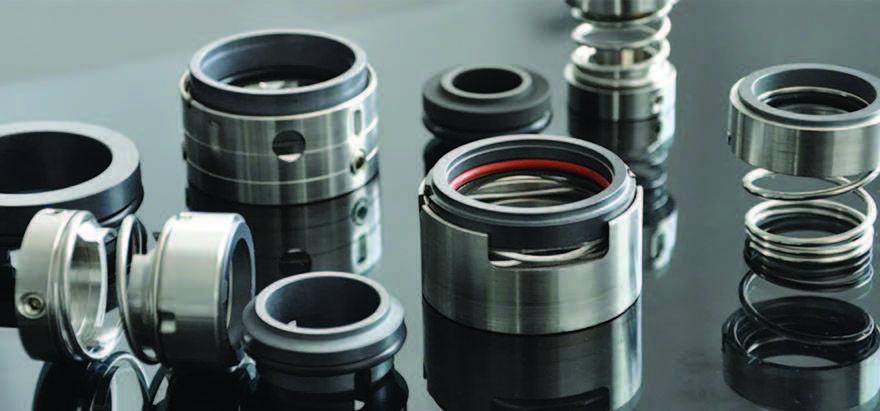
Mechanical seal bearings play a critical role in preventing fluid leakage and ensuring stable rotation in pumps, compressors, mixers, and industrial rotating equipment. These components are designed to maintain a tight sealing interface while supporting continuous mechanical motion under pressure and temperature variation.
When a mechanical seal bearing starts failing, the first visible issue is often leakage or abnormal fluid loss. However, the real problem usually develops internally long before leakage becomes noticeable. In many cases, operators only react when equipment performance drops or system shutdown becomes unavoidable.
For B2B buyers, maintenance engineers, and industrial operators, understanding the root causes of mechanical seal bearing failure is essential for reducing downtime, preventing fluid loss, and improving system efficiency.
Why Mechanical Seal Bearings Fail in Industrial Systems
Mechanical seal bearings operate in highly demanding environments where pressure, heat, and continuous rotation create constant stress.
Unlike standard bearing systems, these components must maintain both sealing integrity and rotational stability simultaneously. This dual function increases sensitivity to installation quality, lubrication conditions, and operating alignment.
Common failure drivers include:
- Excessive heat buildup
- Improper installation practices
- Shaft misalignment
- Contaminated sealing surfaces
- Dry running conditions
- Excessive vibration or load stress
Once these factors begin affecting the system, seal degradation accelerates rapidly and leakage becomes unavoidable.
For industrial applications, early detection is critical to avoid production interruptions and equipment damage.
Improper Installation Is the Leading Cause of Failure
One of the most common reasons mechanical seal bearings fail prematurely is incorrect installation.
Even minor installation errors can compromise sealing integrity and lead to early leakage.
Key installation issues include:
Incorrect Shaft Alignment
Misalignment creates uneven pressure on the seal face, causing accelerated wear and leakage pathways.
Damaged Seal Faces During Assembly
Improper handling or contact with hard surfaces can scratch or damage sealing interfaces.
Over-Tightening of Components
Excessive tightening increases mechanical stress and distorts sealing alignment.
Contaminated Installation Environment
Dust, moisture, or metal particles entering the seal area can immediately reduce sealing efficiency.
Professional installation practices are essential because mechanical seal systems require precise alignment and surface integrity to function correctly.
Heat and Friction Damage Seal Performance
Excessive heat is another major contributor to mechanical seal bearing failure.
During operation, friction between seal faces generates heat. Under normal conditions, this heat is controlled through lubrication or fluid circulation. However, when cooling or lubrication fails, temperature rises rapidly.
High temperatures cause:
- Seal face distortion
- Material hardening or cracking
- Lubrication breakdown
- Increased friction resistance
- Accelerated wear rates
Dry running conditions are especially damaging, as they eliminate the protective fluid layer between seal faces.
In high-speed industrial systems, continuous heat monitoring is essential to prevent long-term seal degradation.
Contamination Leads to Rapid Leakage
Contamination is one of the fastest ways to damage mechanical seal bearings.
Foreign particles entering the sealing interface disrupt smooth contact between surfaces and create abrasive wear patterns.
Common contamination sources include:
- Process fluid impurities
- Dust and airborne particles
- Poor filtration systems
- Improper cleaning during maintenance
- External environmental exposure
Once contamination enters the sealing system, it creates micro-scratches and uneven wear that eventually lead to leakage.
Industrial environments with heavy dust or chemical exposure require enhanced sealing protection and strict maintenance protocols.
Dry Running Causes Immediate Seal Damage
Mechanical seal bearings rely on a thin fluid film for lubrication and cooling.
When equipment operates without sufficient fluid—known as dry running—the seal faces come into direct contact with each other.
This causes:
- Rapid overheating
- Surface cracking
- Permanent deformation
- Immediate loss of sealing integrity
Dry running is one of the most severe causes of mechanical seal failure and can destroy the seal within minutes in high-speed applications.
Proper system priming and fluid level monitoring are essential to prevent this issue.
Vibration and Misalignment Increase Wear
Excessive vibration or shaft misalignment places uneven mechanical stress on seal components.
Over time, this leads to:
- Uneven wear patterns
- Seal face instability
- Increased leakage risk
- Reduced operational lifespan
Vibration may be caused by:
- Imbalanced rotating equipment
- Worn bearings
- Improper mounting
- Structural looseness
For industrial machinery, vibration analysis helps identify early signs of seal system instability before leakage occurs.
Early Warning Signs of Seal Bearing Failure
Mechanical seal problems typically develop gradually before complete failure.
Key warning indicators include:
Fluid Leakage
Visible leakage is often the first sign of seal degradation.
Increased Operating Temperature
Heat buildup suggests friction or lubrication failure.
Abnormal Noise or Vibration
Unstable operation often indicates misalignment or wear.
Pressure Loss in System
Reduced system pressure may indicate internal seal failure.
Irregular Equipment Performance
Fluctuating output or efficiency often signals internal sealing issues.
Regular inspection helps detect these symptoms early and prevents costly system shutdowns.
Why Low-Quality Seal Components Fail Faster
Low-cost mechanical seal bearings may reduce initial procurement expenses but often result in higher long-term operational costs.
Inferior components typically suffer from:
- Poor material durability
- Low heat resistance
- Inconsistent machining quality
- Weak sealing surfaces
- Reduced chemical resistance
These limitations increase the risk of leakage, vibration, and premature system failure.
For B2B industrial users, selecting high-quality sealing components is critical for maintaining operational reliability and reducing maintenance frequency.
Importance of Preventive Maintenance
Preventive maintenance is essential for extending mechanical seal bearing life and avoiding unexpected breakdowns.
Key maintenance practices include:
Lubrication and Cooling Checks
Ensures proper heat control and friction reduction.
Alignment Inspection
Maintains correct shaft positioning and reduces uneven wear.
Vibration Monitoring
Detects early mechanical instability.
Seal Surface Inspection
Identifies early wear or contamination damage.
System Cleanliness Control
Prevents particles from entering the sealing interface.
A structured maintenance program significantly improves equipment reliability and operational efficiency.
Conclusion
Mechanical seal bearing failures are most commonly caused by installation errors, overheating, contamination, dry running, vibration, and poor-quality components.
For industrial operators, maintenance engineers, and B2B buyers, investing in high-quality seal systems and following strict maintenance procedures is essential for reducing leakage, improving efficiency, and preventing costly downtime.
A properly maintained mechanical seal bearing system ensures stable operation, reduced fluid loss, improved safety, and long-term reliability in demanding industrial environments.

 English
 Arabic
 French
 Portuguese
 Deutsch
 Turkish
 Dutch
Dutch
 Italiano
 Russian
 Romaian
 Portuguese (Brazil)
 Greek
Greek