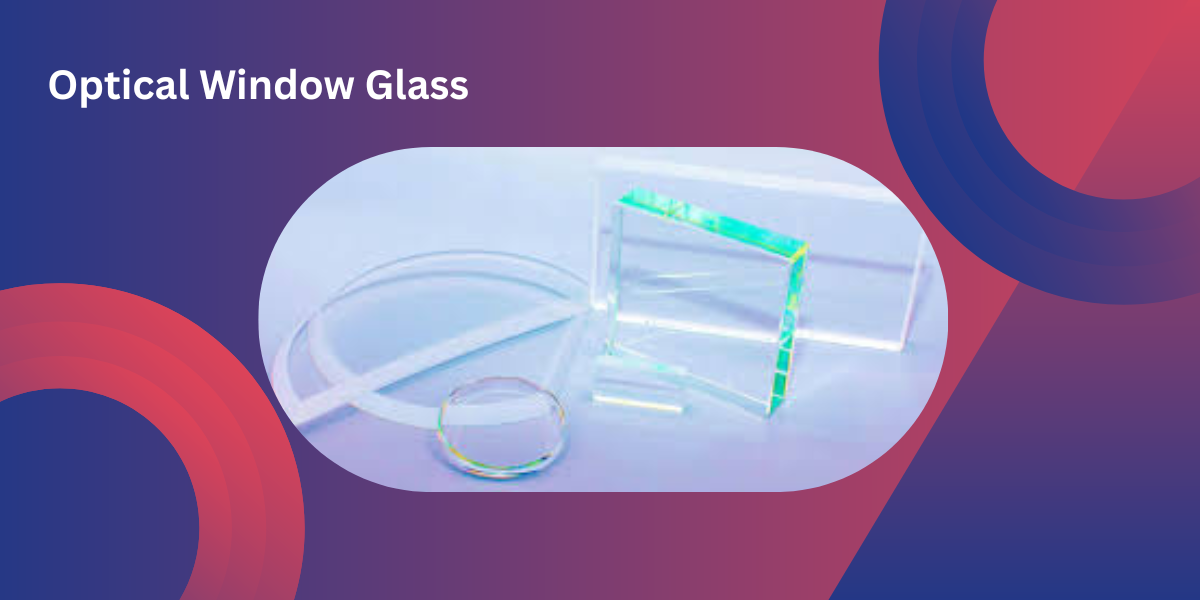
Many commercial buildings and industrial facilities lose energy every day because of poor window performance. Weak insulation, heat transfer, glare, and outside noise create major problems for property owners and businesses. These issues increase electricity bills, reduce indoor comfort, and negatively affect workplace productivity.
Choosing the right window glass is now more important than ever for modern construction projects. Businesses are searching for solutions that improve energy efficiency, durability, and indoor environmental quality. However, many buyers still select low-quality glass products without understanding long-term operational costs. This article explains the most common window glass problems, how they affect buildings, and the practical solutions businesses can use to improve performance and reduce expenses.
Why Standard Window Glass Creates Long-Term Problems
Traditional glass systems were mainly designed for visibility and basic protection. Modern buildings now require more advanced performance standards because energy efficiency regulations and user expectations have changed significantly.
Poor-quality window glass often allows excessive heat transfer. During summer, indoor spaces become hotter because sunlight easily passes through the glass surface. In winter, internal heat escapes quickly, forcing HVAC systems to work harder.
Another issue is glare. Offices with direct sunlight exposure often experience screen visibility problems and employee discomfort. Weak sound insulation also affects buildings located near highways, airports, or industrial zones.
These problems not only increase operational costs but also reduce building value over time.
Common Window Glass Problems Businesses Face
High Energy Consumption
One of the biggest issues with low-performance window glass is poor thermal insulation. Buildings lose large amounts of heating and cooling energy through windows every day.
When indoor temperatures become unstable, HVAC systems consume more electricity to maintain comfort levels. This directly increases monthly operational costs for commercial properties.
Energy-efficient glass solutions help reduce thermal transfer and improve insulation performance.
Excessive Heat and UV Exposure
Direct sunlight entering through untreated glass can raise indoor temperatures significantly. This creates uncomfortable working conditions and damages furniture, flooring, and interior materials through UV exposure.
Many businesses struggle with maintaining stable temperatures in office spaces with large glass surfaces.
Modern coated window glass helps reduce solar heat gain while still allowing natural light transmission.
Noise Pollution Problems
Commercial buildings located in busy urban environments often suffer from outside noise. Thin or low-quality glass provides weak acoustic insulation.
Noise pollution affects employee focus, meeting quality, and customer experience. Hotels, hospitals, and office buildings especially require stronger sound control systems.
Laminated and insulated window glass solutions help reduce external sound transmission effectively.
Safety and Breakage Risks
Standard glass can break easily during storms, impacts, or accidents. Broken glass creates serious safety hazards in commercial and industrial facilities.
Tempered and laminated glass products improve impact resistance and reduce injury risks. Many modern construction regulations now require stronger safety glass systems for commercial projects.
How Advanced Window Glass Solves These Problems
Low-E Glass Technology
Low-emissivity coatings help control heat transfer by reflecting infrared energy. This technology improves indoor temperature stability and reduces HVAC workload.
Businesses using Low-E window glass often experience lower energy costs and better indoor comfort throughout the year.
Double and Triple Glazing
Insulated glass units use multiple layers of glass separated by gas-filled spaces. These systems improve thermal insulation and sound reduction.
Double-glazed and triple-glazed windows are widely used in energy-efficient commercial buildings because they help lower heating and cooling expenses.
Laminated Safety Glass
Laminated glass contains protective interlayers that hold broken pieces together after impact. This improves security and reduces injury risks.
Many commercial properties use laminated glass in entrances, storefronts, airports, and high-traffic areas where safety is important.
Smart Glass Solutions
Some modern buildings now use smart window glass that changes transparency based on sunlight intensity or electrical control.
This technology helps reduce glare, improve privacy, and optimize indoor lighting conditions while supporting energy management goals.
Industries That Depend on High-Performance Window Glass
Commercial Office Buildings
Modern offices require energy-efficient environments that support employee productivity and lower operating costs. High-performance glass helps improve indoor comfort and lighting balance.
Hospitality Industry
Hotels rely heavily on customer comfort. Proper window insulation improves guest experience by reducing outside noise and maintaining stable indoor temperatures.
Healthcare Facilities
Hospitals and healthcare centers need controlled indoor environments for patient comfort and operational efficiency. Advanced glass systems help support these requirements.
Industrial and Manufacturing Facilities
Factories and industrial buildings often require durable safety glass that can withstand demanding environments while supporting thermal efficiency.
Mistakes Businesses Should Avoid When Buying Window Glass
Focusing Only on Initial Price
Many businesses purchase cheaper glass products to reduce construction costs. However, poor-quality glass increases long-term energy expenses and maintenance requirements.
Ignoring Climate Conditions
Different regions require different glass specifications. Buildings in hot climates may need stronger solar control, while colder regions require better insulation performance.
Overlooking Safety Standards
Some buyers fail to check whether the glass meets local building regulations and impact resistance standards.
Choosing Inexperienced Suppliers
Reliable suppliers provide proper certifications, technical support, and product testing information. Working with inexperienced manufacturers can create future performance issues.
Future Trends in Window Glass Technology
The demand for energy-efficient construction materials continues to grow worldwide. Businesses are increasingly adopting smart glass, solar-control coatings, and sustainable glazing systems to meet environmental goals.
Advanced window glass technologies are also supporting green building certifications and carbon reduction strategies. Architects and developers now focus more on long-term operational savings instead of only initial installation costs.
As urbanization increases, high-performance glass systems will become even more important for commercial and industrial infrastructure projects.
Conclusion
Poor window performance can increase energy costs, reduce indoor comfort, and create long-term operational challenges for businesses. Problems such as heat transfer, glare, outside noise, and safety risks affect both building efficiency and user experience.
Modern window glass solutions provide practical improvements through better insulation, UV protection, sound reduction, and impact resistance. Businesses that invest in high-performance glass systems can reduce operational expenses, improve workplace conditions, and increase building value over time.
Choosing the right glass specifications and experienced suppliers helps companies achieve better long-term performance while meeting modern construction and sustainability standards.

 Arabic
 French
 Spanish
 Portuguese
 Deutsch
 Turkish
 Dutch
Dutch
 Italiano
 Russian
 Romaian
 Portuguese (Brazil)
 Greek
Greek