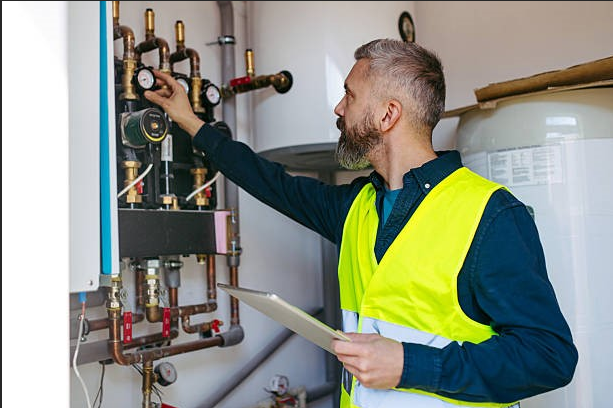
More homeowners are comparing heat pump vs standard electric water heaters because energy efficiency and utility costs matter more than ever. While heat pump models promise lower energy use, standard electric systems are still popular for their affordability and simplicity.
The right choice depends on more than marketing claims. Installation space, climate, maintenance, noise, and long-term savings all affect how each system performs in real homes.
Heat Pump Vs Standard Electric: A Detailed Comparison
What Is a Heat Pump Water Heater?
A heat pump water heater uses electricity differently than a standard electric model. Instead of creating heat directly, it pulls heat from the surrounding air and transfers that warmth into the water tank.
The system works similarly to HVAC equipment by moving heat rather than generating it. Because of this, it usually uses less electricity than traditional resistance heating systems.
These units are often installed in garages, basements, or utility rooms where there is enough surrounding air for the system to operate efficiently.
Pros
Lower Energy Consumption
The biggest advantage is efficiency. Heat pump water heaters generally use less electricity than standard electric models, especially in homes with high hot water demand.
Lower Monthly Utility Bills
Because the unit consumes less energy, homeowners may notice lower operating costs over time. This is one of the main reasons many people switch during water heater installation projects.
Better for Long-Term Energy Savings
In homes with high electricity costs, the savings can become noticeable over several years of operation.
Reduced Environmental Impact
Using less electricity can also lower overall energy consumption, which appeals to homeowners trying to reduce environmental impact.
Cons
Higher Upfront Cost
Heat pump systems usually cost more than standard electric models. The installation may also require additional setup work.
Requires More Space
These systems need enough surrounding airflow to operate properly. Small utility closets are not always ideal.
Can Produce Noticeable Noise
The compressor and fan create sound during operation. It is not extremely loud, but it is more noticeable than a standard electric unit.
Performance Can Change in Cold Areas
Because the system pulls warmth from the surrounding air, colder installation areas can reduce efficiency.
Real World Paybacks of Heat Pump Water Heaters
The payback depends heavily on how the household uses hot water. Larger families that use multiple showers, laundry cycles, and dishwashers daily often benefit the most.
Homes in warmer climates also tend to see stronger efficiency performance because the system has easier access to warm air.
However, homeowners should remember that the lower operating cost usually comes after a higher upfront investment. The savings build gradually over time rather than immediately.
In some cases, homeowners discussing heat pump systems also review other comfort equipment like heating repair, furnace service, or HVAC repair needs because heat pump technology works similarly to HVAC systems.
What Is a Standard Electric Water Heater?
A standard electric water heater uses electric resistance heating elements to heat water directly inside the storage tank. This is the traditional water heater found in many homes. The design is straightforward, widely available, and familiar to most contractors and homeowners.
Unlike heat pump models, standard electric systems do not rely on surrounding air temperature or airflow conditions.
Pros
Lower Purchase Price
Standard electric water heaters usually cost less upfront, making them appealing for homeowners focused on immediate affordability.
Simpler Installation
The installation process is often more straightforward because the system does not require airflow considerations or condensate drainage.
Quiet Operation
These systems operate quietly because they do not contain compressors or fans.
Reliable in Cold Areas
Unlike heat pump models, standard electric systems are not affected by surrounding air temperature.
Cons
Higher Energy Use
Resistance heating uses more electricity compared to heat pump technology. This can increase monthly utility costs over time.
Less Energy Efficient
While reliable, standard electric systems are generally less efficient overall.
Long-Term Operating Costs Can Add Up
The lower upfront price may eventually be offset by higher electricity usage over many years.
Limited Efficiency Improvements
Standard electric systems do not provide the same level of energy-saving performance that heat pump systems can achieve in ideal conditions.
Real World Paybacks of Standard Electric Water Heaters
The biggest payoff is simplicity. Homeowners often choose standard electric systems because they are easier to install, less expensive initially, and familiar to service technicians.
In colder climates or homes with limited installation space, they may actually make more practical sense than a heat pump model.
The lower upfront investment can also benefit homeowners who are not planning to stay in the home long enough to recover the higher cost of a heat pump system through energy savings.
For some households, avoiding complicated installation changes matters more than maximizing efficiency.
Conclusion
The real-world comparison between heat pump vs standard electric water heaters comes down to priorities. Heat pump water heaters offer stronger energy efficiency and lower operating costs, especially in warmer climates and high-usage homes. However, they require more upfront investment, more installation space, and different operating conditions.
Standard electric water heaters remain popular because they are affordable, quiet, simple, and dependable in almost any environment.
Neither option is automatically better for every home. The smarter choice depends on your climate, budget, installation space, long-term plans, and daily hot water usage.
Understanding the pros, cons, and real-world paybacks of both systems makes it easier to choose a water heater that actually fits how your home functions.
FAQs
Heat pump vs standard electric: which one lasts longer?
Both can last many years with proper maintenance, but lifespan often depends more on water quality, usage, and installation conditions than the technology itself.
Do heat pump water heaters cool the room around them?
Yes. Because they pull heat from the surrounding air, they can slightly cool the space where they are installed.
Is a heat pump water heater harder to repair?
Sometimes. Heat pump models have more components, including compressors and fans, which may require specialized service compared to standard electric systems.
Can a standard electric water heater still be energy efficient?
Yes. While not as efficient as heat pump systems, newer standard electric models can still perform reliably and efficiently when properly sized and installed.

 English
 French
 Spanish
 Portuguese
 Deutsch
 Turkish
 Dutch
Dutch
 Italiano
 Russian
 Romaian
 Portuguese (Brazil)
 Greek
Greek