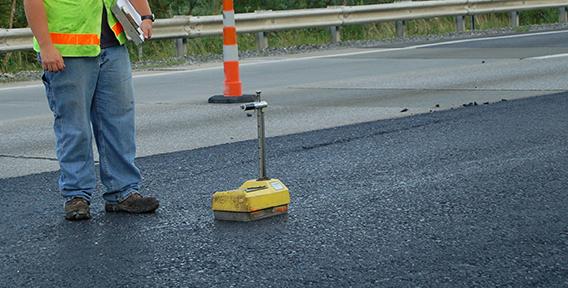
Street paving is an essential part of modern infrastructure, helping cities, towns, and neighborhoods maintain safe and reliable roadways. Properly paved streets improve transportation, reduce vehicle wear, enhance safety, and support economic growth by allowing smoother traffic flow for residents, businesses, and emergency services.
From residential streets to busy urban roads, professional paving services play a major role in keeping communities connected and functioning efficiently.
What Is Street Paving?
Street paving is the process of constructing or resurfacing roads using materials such as asphalt or concrete. The goal is to create a durable and smooth driving surface capable of handling daily traffic and changing weather conditions.
Street paving projects may include:
- New road construction
- Resurfacing existing streets
- Pothole and crack repairs
- Road widening
- Drainage improvements
These projects help extend the lifespan of roadways while improving driving conditions.
The Street Paving Process
Professional paving contractors follow several important steps to ensure quality and durability.
Site Preparation
The roadway is cleared and graded to create a stable base for paving.
Base Installation
A compacted gravel or stone foundation is installed to support the pavement structure.
Asphalt or Concrete Application
Hot asphalt or concrete is spread evenly across the road surface using specialized paving equipment.
Compaction
Heavy rollers compress the paving material to create a smooth, dense, and long-lasting roadway.
Finishing and Striping
Road markings, lane lines, and traffic indicators are added after the pavement cures.
Benefits of Street Paving
Improved Road Safety
Smooth roads reduce the risk of accidents caused by potholes, uneven surfaces, or damaged pavement.
Better Traffic Flow
Well-paved streets improve driving efficiency and reduce congestion.
Enhanced Appearance
Freshly paved streets improve the overall appearance of neighborhoods and commercial areas.
Reduced Vehicle Wear
Smooth pavement places less stress on tires, suspension systems, and vehicles.
Long-Term Durability
Quality paving materials and proper installation help roads withstand heavy traffic and weather conditions.
Common Materials Used in Street Paving
Asphalt
Asphalt is one of the most common paving materials because it is:
- Cost-effective
- Quick to install
- Easy to repair
- Smooth and flexible
Concrete
Concrete paving is known for:
- Long lifespan
- High durability
- Strong load-bearing capacity
The choice between asphalt and concrete depends on traffic levels, climate, budget, and project requirements.
Importance of Street Maintenance
Even well-built roads require regular maintenance to remain in good condition. Maintenance services may include:
- Crack sealing
- Pothole repair
- Sealcoating
- Resurfacing
Timely repairs help prevent larger structural damage and reduce long-term costs.
Street Paving and Community Development
Street paving projects contribute to economic growth and neighborhood improvement by:
- Supporting local businesses
- Improving transportation access
- Increasing property value
- Enhancing pedestrian and driver safety
Reliable roads are critical for daily commuting, emergency response, and commercial transportation.
Environmental Considerations
Modern paving companies increasingly use environmentally conscious practices such as:
- Recycled asphalt materials
- Improved drainage systems
- Energy-efficient paving equipment
These methods help reduce environmental impact while maintaining strong infrastructure.
Street paving is a vital investment in transportation, safety, and community development. Properly paved roads improve driving conditions, support economic activity, and enhance the overall quality of life for residents and businesses alike.
Whether for residential neighborhoods or busy commercial areas, professional street paving helps create durable, safe, and efficient roadways built to serve communities for years to come.

 English
 Arabic
 French
 Spanish
 Portuguese
 Deutsch
 Turkish
 Dutch
Dutch
 Italiano
 Russian
 Romaian
 Portuguese (Brazil)