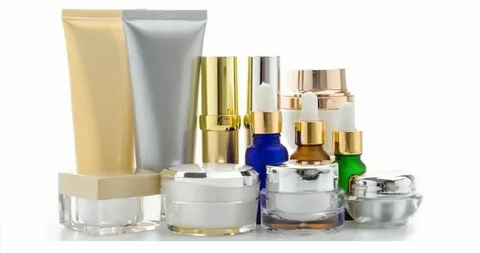
The beauty industry has shifted. We are no longer in the era of "one-size-fits-all" corporate giants. In 2026, the power has moved into the hands of independent creators, dermatologists, and influencers. If you have ever dreamed of seeing your own logo on a bottle of high-performance serum, there has never been a better time to dive into private label skin care.
Private labeling allows you to bypass the multi-million dollar costs of research and development (R&D) and go straight to market with proven, high-quality formulas. But in a saturated market, how do you stand out? This guide breaks down everything you need to know about launching a private label skin care brand that doesn't just sell, but thrives.
What is Private Label Skin Care?
At its core, private label skin care is a business model where a manufacturer creates a product—such as a cleanser, serum, or moisturizer—and you sell it under your own brand name.
Unlike "white labeling," which often refers to generic, mass-produced formulas sold to many different retailers, modern private labeling in 2026 offers significant customization. You can often tweak scents, add specific "hero" ingredients, and choose bespoke packaging to ensure your brand feels unique.
The Benefits of Private Labeling
-
Low Barrier to Entry: You don’t need a chemistry degree or a laboratory.
-
Speed to Market: Launch a full product line in weeks rather than years.
-
Cost-Effective: Small minimum order quantities (MOQs) allow you to test the market without massive financial risk.
-
Focus on Marketing: You can spend your energy on brand storytelling and customer acquisition while the manufacturer handles the "science."
2026 Trends: What’s Driving the Market?
To succeed today, you cannot simply slap a label on a basic lotion. You must align with current consumer demands. According to 2026 market data, here is what shoppers are looking for:
1. Microbiome-Friendly Formulations
Consumers are obsessed with the "skin barrier." Products containing prebiotics, probiotics, and postbiotics are seeing a $1.6$ billion dollar market valuation this year.
2. Anhydrous (Waterless) Beauty
Sustainability is no longer optional. Waterless formulas—like powder cleansers or solid serum sticks—reduce carbon footprints and appeal to the eco-conscious Gen Z and Millennial demographics.
3. "Clinical-Natural" Hybrids
The "Clean Beauty 2.0" movement focuses on "performance-first" natural ingredients. Think stabilized Vitamin C, plant-based retinols (Bakuchiol), and fermented botanical extracts.
How to Start Your Private Label Skin Care Brand in 5 Steps
Launching a brand is a marathon, not a sprint. Follow this roadmap to ensure a professional rollout.
Define Your Niche
Don't try to be "skincare for everyone." Are you the go-to brand for acne-prone athletes? The luxury solution for menopausal skin? Or perhaps the affordable minimalist routine for Gen Z?
Choose Your Hero Product
It is tempting to launch 10 products at once. Don't. Start with one or two "hero" products—like a high-potency serum or a unique jelly cleanser. This allows you to focus your marketing budget and perfect your brand's "vibe."
Find a Reliable Manufacturer
Your manufacturer is your most important partner. In 2026, look for partners who offer:
-
GMP Certification: Ensures high safety standards.
-
Sustainability Options: Glass packaging or PCR (Post-Consumer Recycled) plastics.
-
Low MOQs: Crucial for startups to manage cash flow.
Design Your Brand Identity
In the world of skincare, the "unboxing experience" is your secondary product. Invest in high-quality graphic design. Your labels should be compliant with local regulations (FDA, EU, etc.) while looking "Instagrammable."
Master Your Digital Presence
Your website is your storefront. Ensure it is optimized for mobile and features high-resolution product photography. Use educational content to explain why your ingredients work.
Selecting the Right Ingredients for 2026
The "Skintellectual" consumer knows their ingredients. When selecting your private label formulas, prioritize these high-demand actives:
| Category | Ingredient | Benefit |
| Hydration | Polyglutamic Acid | Holds 4x more moisture than Hyaluronic Acid. |
| Brightening | Tranexamic Acid | The gold standard for treating hyperpigmentation. |
| Anti-Aging | Copper Peptides | Promotes collagen production without irritation. |
| Soothing | Mugwort (Artemisia) | Highly effective for sensitive or inflamed skin. |
Common Pitfalls to Avoid
Even the best-funded brands can fail if they ignore these three things:
-
Ignoring Compliance: Every region has different rules for labeling. Ensure your manufacturer provides the necessary safety data sheets (SDS).
-
Weak Storytelling: If your brand doesn't have a "Why," it’s just another bottle on a shelf. Why did you start this? What problem are you solving?
-
Underestimating Shipping Costs: Skincare bottles are heavy. Factor in logistics and fulfillment early in your pricing strategy.
Conclusion: The Future is Yours
The private label skin care industry is no longer about "cheap" alternatives; it’s about agility and innovation. By focusing on a specific niche, leveraging 2026's sustainability trends, and partnering with the right manufacturer, you can build a brand that resonates with modern consumers.

 English
 Arabic
 French
 Spanish
 Portuguese
 Turkish
 Dutch
Dutch
 Italiano
 Russian
 Romaian
 Portuguese (Brazil)
 Greek
Greek