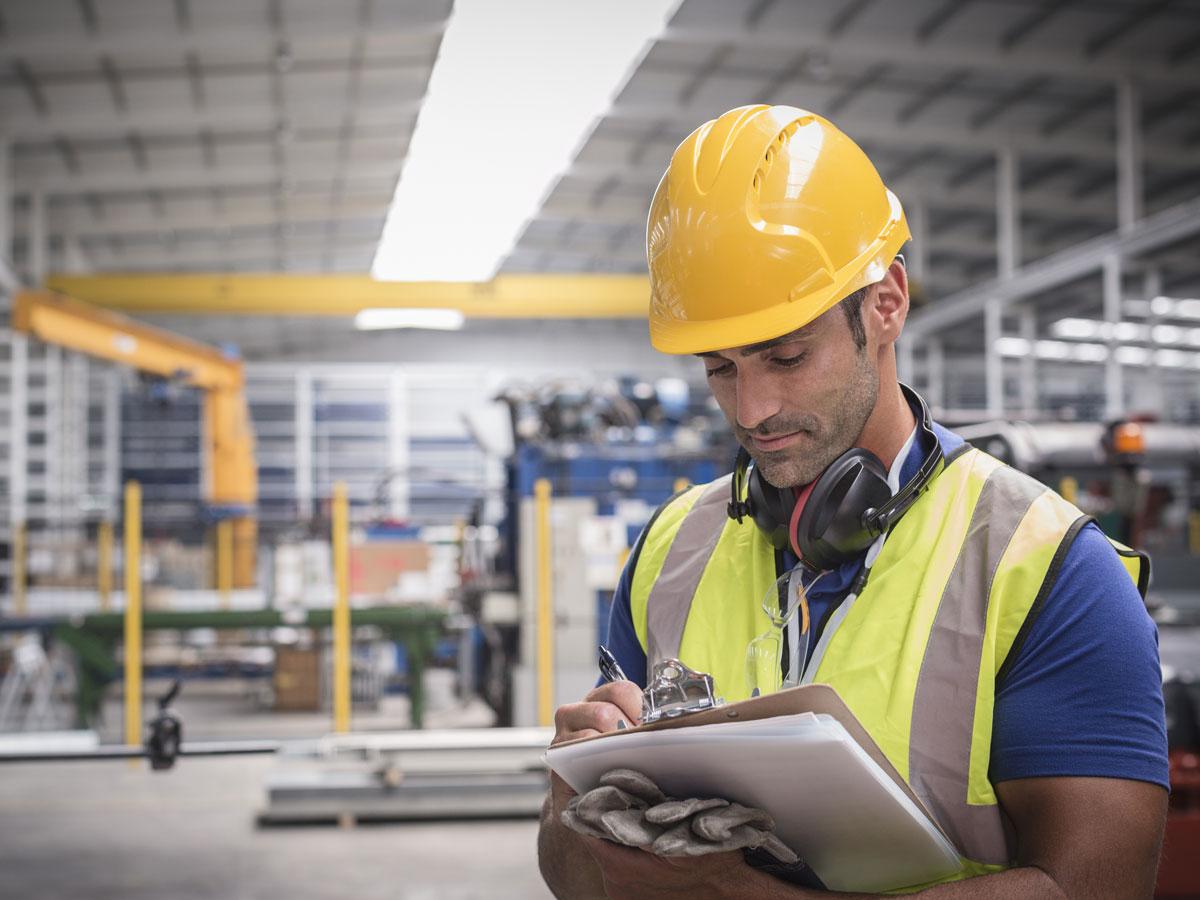
In many workplaces, safety issues do not come from lack of rules but from silence. Picture a site supervisor who notices repeated violations in machine guarding but hesitates to report them due to fear of backlash. When reporting systems fail to protect whistleblowers, unsafe conditions often remain hidden until an accident forces attention.
In safety and compliance learning pathways, professionals often explore structured qualifications, and discussions around NEBOSH course fees usually come up early because learners want clarity on training commitments before enrolling. But beyond training, real workplace safety depends on whether employees feel protected when they speak up.
Why Whistleblower Protection Matters in Safety Culture
Whistleblowers are often the first line of defense against serious hazards. They notice what routine inspections might miss, especially in fast-paced environments where risks evolve quickly. When legal protection is weak, employees tend to stay silent, and that silence can turn minor safety concerns into major incidents.
A strong reporting culture helps organizations detect early warning signs. Without it, even well-designed safety systems lose effectiveness because critical information never reaches decision-makers.
How Weak Protection Discourages Reporting
Fear is one of the strongest barriers in workplace communication. When employees believe their identity is not protected, they are less likely to report unsafe practices.
Common workplace realities
-
Workers avoid reporting violations involving senior staff
-
Safety shortcuts go unchallenged to avoid conflict
-
Near-miss incidents remain undocumented
-
Employees rely on informal warnings instead of official reporting channels
In a manufacturing facility, for example, a technician may notice faulty wiring but choose not to report it after seeing a colleague face negative treatment for raising a similar concern. This silence increases the likelihood of electrical accidents.
Legal Gaps and Their Impact on Workplace Safety
Weak whistleblower protection is not just a policy issue, it directly affects operational safety.
1. Delayed Hazard Identification
When reporting systems are unsafe or unclear, hazards remain unaddressed longer. Small issues like leaking pipes or damaged safety guards can escalate over time.
2. Increased Accident Rates
Unreported risks accumulate. In industrial environments, this often leads to equipment failure or injury that could have been prevented.
3. Reduced Trust in Leadership
Employees lose confidence when they see reports ignored or whistleblowers penalized. This weakens the overall safety culture.
A logistics company once ignored repeated informal warnings about overloaded racks. Eventually, a structural collapse caused injuries, revealing that earlier reports had never been formally documented due to fear of retaliation.
Psychological Barriers Behind Silence
Even when laws exist, workplace culture often determines whether employees feel safe enough to speak up.
Key psychological factors
-
Fear of retaliation: Concern about job security or workplace isolation
-
Peer pressure: Avoiding being labeled as disloyal
-
Authority bias: Reluctance to challenge supervisors
-
Low awareness: Not knowing reporting rights or procedures
These factors combine to create environments where unsafe practices continue unchecked.
Strengthening Whistleblower Safety in Practice
Organizations that prioritize safety take active steps to protect those who report concerns.
1. Anonymous Reporting Systems
Digital or third-party reporting tools help employees share concerns without revealing identity.
2. Clear Anti-Retaliation Policies
Policies must explicitly state consequences for retaliation and be consistently enforced.
3. Leadership Accountability
Managers should be trained to respond constructively to reports instead of discouraging them.
4. Regular Safety Communication
Open discussions about hazards normalize reporting and reduce fear of judgment.
5. Documentation and Follow-Up
Every report should be tracked, investigated, and resolved with visible outcomes to build trust.
Practical Steps for Safer Reporting Environments
Step 1: Build Awareness
Employees must know their rights and reporting channels clearly. Regular briefings help reinforce this.
Step 2: Simplify Reporting Processes
Complicated systems discourage participation. Simple, accessible reporting tools increase engagement.
Step 3: Train Supervisors
Supervisors should learn how to receive reports without bias or defensive reactions.
Step 4: Reinforce Positive Reporting Behavior
Recognizing employees who raise valid concerns helps shift workplace culture toward openness.
Training and Learning Pathways for Safety Professionals
Formal education plays a key role in shaping how future safety leaders handle reporting systems and ethical responsibilities. Structured qualifications help professionals evaluate risks, design reporting frameworks, and respond effectively to whistleblower concerns.
Before enrolling, learners often review NEBOSH course fees as part of planning their study journey, since it helps them choose a program that aligns with their schedule and learning goals.
For those building a career in occupational safety, exploring NEBOSH safety courses in Pakistan can provide accessible training options focused on real-world workplace hazards, reporting systems, and compliance practices. These programs help professionals develop the confidence to handle sensitive safety information responsibly.
FAQs
1. Why is whistleblower protection important in workplaces?
It encourages employees to report hazards without fear, helping prevent accidents and unsafe practices.
2. What happens when employees fear reporting issues?
Unsafe conditions often remain unaddressed, increasing the risk of incidents and reducing trust in management.
3. How can organizations improve reporting culture?
By introducing anonymous systems, clear policies, and supportive leadership behavior.
4. Do weak laws affect workplace safety?
Yes, limited protection reduces reporting, delays hazard correction, and increases accident risk.
5. What role does training play in whistleblower safety?
Training helps employees and managers understand reporting procedures and handle concerns responsibly.
Conclusion
Weak legal protection for whistleblowers creates silence, and silence allows risks to grow unnoticed. When employees are not safe to speak up, even strong safety systems lose effectiveness. Building a transparent reporting culture requires clear policies, supportive leadership, and consistent follow-through.
With the right training, awareness, and ethical responsibility, workplaces can shift from reactive responses to proactive safety practices that protect both people and processes.

 English
 French
 Spanish
 Portuguese
 Deutsch
 Turkish
 Dutch
Dutch
 Italiano
 Russian
 Romaian
 Portuguese (Brazil)
 Greek
Greek