Behind the Scenes of What Day Porter Services Handle Each Shift
Most facility managers assume their building stays clean because of the overnight janitorial crew. That assumption is costing them more than they realize. By the time the morning shift ends and the afternoon rush begins, restrooms are out of supplies, lobbies are tracked with dirt, spills sit unaddressed on breakroom floors, and the professional image a business worked hard to build starts quietly falling apart.
The problem runs deeper than appearances. Unattended messes during active business hours create liability risks, lower employee morale, and send a clear signal to visiting clients that facility standards are an afterthought. Nightly cleaning alone was never designed to carry the full weight of a busy commercial property.
That is where day porter services step in, not as a luxury add-on, but as a structured operational layer that fills every gap a night crew physically cannot cover.
The Operational Framework Behind Daytime Facility Care
Day porter services operate on a structured, shift-based model that is fundamentally different from traditional janitorial contracts. Rather than working in an empty building after hours, day porters are active participants in a live facility environment. They respond to real-time conditions, monitor high-use areas on rotating schedules, and execute a pre-defined task matrix that covers everything from restroom checks to lobby upkeep. The operational value lies in their visibility and responsiveness. A day porter does not simply follow a checklist mechanically; they read the facility like a dynamic system, identifying where foot traffic is building, where supplies are running low, and where an unaddressed issue could escalate into a larger problem. This proactive model of facility maintenance is what separates day porter services from reactive cleaning approaches, and it is exactly what high-traffic commercial buildings require to maintain consistent standards throughout the workday.
Shift Responsibilities That Go Beyond Surface Cleaning
Restroom Monitoring and Supply Management
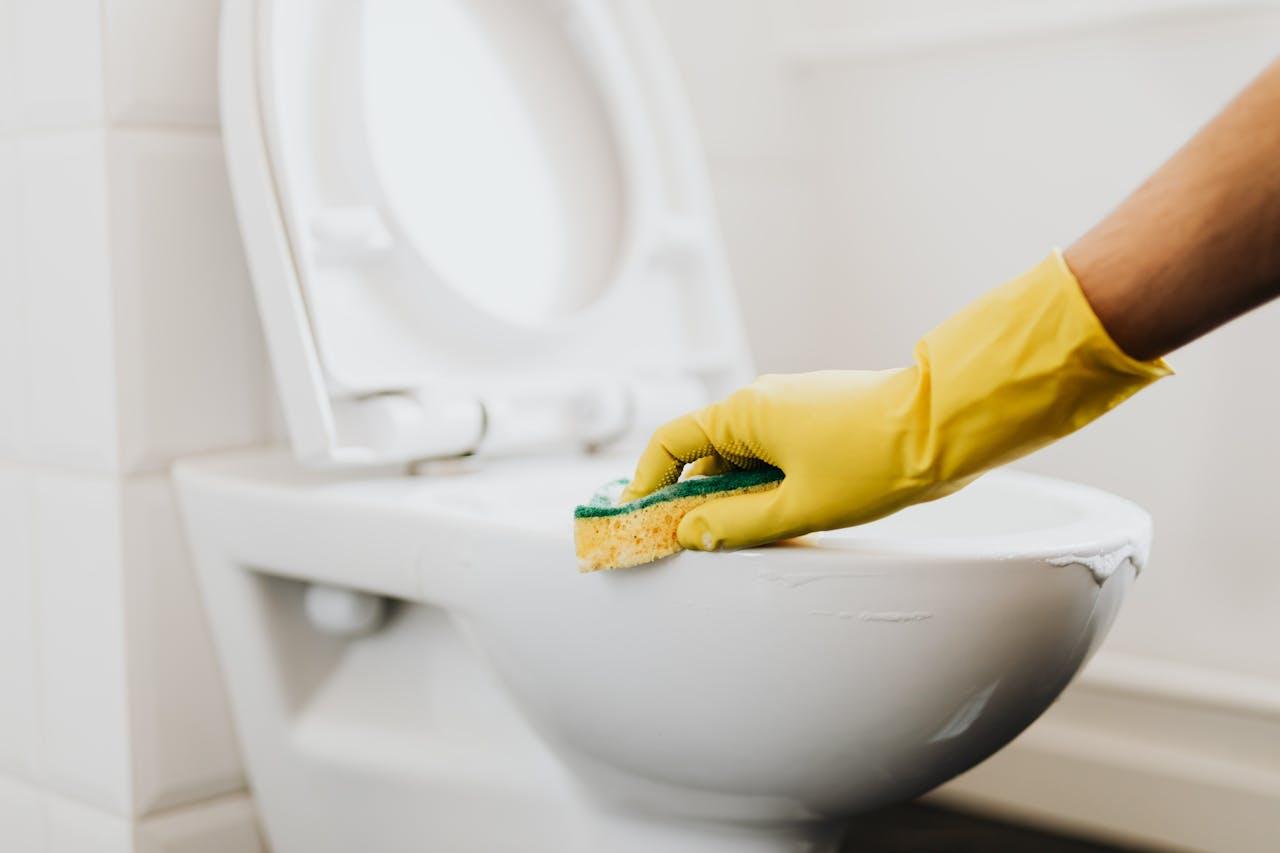
Restrooms are the most telling indicator of a facility's overall maintenance culture. Day porter services include scheduled restroom walkthroughs, typically every 60 to 90 minutes in high-traffic buildings, covering restocking, sanitizing touch points, and clearing waste. According to Bradley Corporation's Healthy Handwashing Survey, 84% of Americans say an unclean restroom directly damages a business's image, and 75% will think twice before returning after a negative restroom experience. These are not preference statistics; they are purchase behavior indicators with a direct line to repeat business and client retention.
Lobby and Common Area Upkeep
First impressions in commercial buildings are formed within seconds of entry. Day porter services maintain lobby areas by addressing tracked-in debris, wiping down glass entry doors, clearing reception surfaces, and monitoring seating areas throughout the day. These tasks are timed around peak arrival windows, such as morning entry, post-lunch return, and late afternoon client visits, to ensure the facility presents consistently well at every high-visibility moment.
Beyond lobbies, common areas, including conference rooms, elevators, and shared kitchens, receive spot attention between scheduled use. Spills are addressed immediately, surfaces are wiped, and waste is cleared before the next group arrives. This level of attention during active hours is something no overnight cleaning schedule can replicate, and it represents one of the clearest operational distinctions in the value that day porter services deliver.
Floor Care as a Daily Maintenance Priority
Commercial Floor Cleaning During Active Hours
The flooring category carries significant financial weight in commercial facility management. According to ISSA industry data and Bureau of Labor Statistics wage trends, labor costs account for 50% to 70% of a cleaning contractor's total operating expenses, with floor care consistently ranking among the most labor-intensive tasks in any building program. When commercial floor cleaning is treated as a reactive task rather than a scheduled daily priority, wear patterns accelerate, slip hazards multiply, and restorative treatment costs compound well beyond what a structured daytime program would have cost from the start.
Day porter services integrate commercial floor cleaning into their shift rotations as a structured responsibility, not an emergency response. Entryways, corridors, and high-traffic zones receive attention at defined intervals throughout the day, keeping surfaces safe and presentable without waiting for conditions to deteriorate.
Data-Driven Standards Behind Effective Operations
Facility management research consistently supports the operational case for daytime cleaning coverage. The US janitorial services industry reached a verified market size of $97.6 billion in 2023, with demand projected to grow at a compound annual rate of 5.8% through 2030, according to ISSA data reported by WifiTalents in February 2026. That level of sustained investment reflects facility owners treating professional cleaning, including day porter services, as a core operational function with real consequences when structured poorly. Buildings relying solely on overnight crews report significantly higher rates of mid-day cleanliness complaints and a greater volume of reactive maintenance calls.
Real-World Performance in Commercial Settings
According to Kingsley Associates' research commissioned by BOMA International, 94% of tenants in BOMA 360-designated buildings report high overall satisfaction, and these properties outperform non-designated buildings across 52 out of 54 tenant satisfaction categories. CoStar data further confirms that BOMA 360 buildings command higher rental rates and stronger tenant retention in comparable markets, with facility cleanliness consistently ranking among the highest weighted factors in tenant scoring.
The liability case is equally direct. The National Floor Safety Institute reports that floors contribute to more than 2 million fall injuries annually in the US, with retail establishments spending over $450 million each year on slip and fall claims. OSHA places these incidents at 15% of all accidental workplace deaths, averaging $40,000 in direct costs per event. Structured daytime floor monitoring through day porter services addresses this exposure before it becomes a recordable incident.
Building the Right Scope for Your Day Porter Program
Designing an effective day porter program requires a clear understanding of your facility's traffic patterns, peak usage windows, and surface-specific vulnerabilities. A well-structured scope will typically include the following responsibilities assigned across defined shift intervals:
-
Restroom inspections and restocking on a 60 to 90-minute cycle during peak hours.
-
Lobby and entrance maintenance timed around morning, midday, and late afternoon traffic windows.
-
Spill response and commercial floor cleaning coverage for all hard surface and transition zones.
-
Common area spot cleaning between scheduled use periods for conference rooms, break areas, and shared spaces.
-
Waste removal from common areas throughout the shift rather than waiting for end-of-day collection.
-
Exterior entrance maintenance, including glass cleaning and entry mat care during high-traffic periods.
Building a program around these core pillars ensures that day porter services deliver consistent results rather than sporadic attention. Facilities that define their scope clearly and hold their porter teams to structured shift accountability see the strongest long-term outcomes in both cleanliness standards and cost management. The scope should be reviewed quarterly to account for changes in occupancy, seasonal traffic shifts, and any new areas of the facility that have been added to daily use.
Final Thoughts
The gap between a building that looks clean at 8 AM and one that holds that standard through a full business day is not filled by good intentions. It is filled with structured, shift-based coverage that treats facility cleanliness as an active operational function rather than an end-of-day afterthought. Day porter services represent that structured layer, and the data behind their impact on cost management, occupant productivity, and liability reduction makes a compelling operational argument that facility managers can no longer afford to overlook.
Facilities that treat commercial floor cleaning as a rotating daily priority rather than a reactive measure consistently outperform those that do not, in both cleanliness scores and long-term cost control. For facility managers looking to study how accountable shift-based programs are structured in practice, platforms like Capital City Janitorial offer a grounded, real-world reference point for understanding what consistent daytime coverage actually looks like when applied at the facility level.
Frequently Asked Questions (FAQs)
1. What is the primary difference between day porter services and overnight janitorial cleaning?
Day porter services provide real-time, active-hours facility maintenance, while overnight janitorial cleaning focuses on deep cleaning an unoccupied building after business hours.
2. How often should a day porter check restrooms in a high-traffic facility?
Industry standards recommend restroom walkthroughs every 60 to 90 minutes during peak business hours to maintain hygiene and supply levels consistently.
3. Does commercial floor cleaning fall under a day porter's responsibilities?
Yes, commercial floor cleaning tasks, including spill response, spot mopping, and entryway maintenance, are standard components of a structured day porter shift.
4. What size facility typically benefits most from day porter services?
Any commercial facility exceeding 10,000 square feet with consistent daytime foot traffic will see measurable operational benefits from a structured day porter program.
5. How are day porter shift schedules typically structured?
Shifts are built around a facility's peak traffic windows, with rotating task cycles assigned at defined intervals to ensure coverage across all high-use areas.

 Arabic
 French
 Spanish
 Portuguese
 Deutsch
 Turkish
 Dutch
Dutch
 Italiano
 Russian
 Romaian
 Portuguese (Brazil)
 Greek
Greek