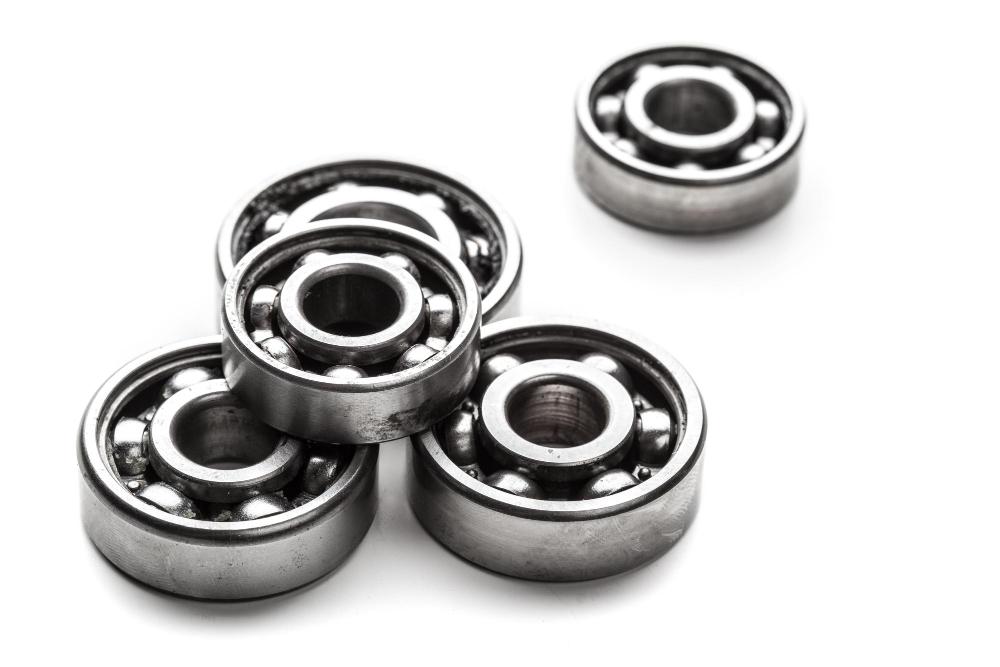
Machinery failure is one of the most frustrating issues for equipment owners and industrial operators. When a critical component stops working, everything else comes to a halt—leading to unplanned downtime, costly repairs, and lost productivity. One small part that often gets overlooked until it fails is the roller ball bearing. When this bearing wears down or cracks, the entire machine can suffer, resulting in a chain reaction of mechanical problems.
Why Roller Ball Bearing Failure Causes Major Problems
Bearings are the backbone of rotating equipment. They support motion, reduce friction, stabilize movement, and carry heavy loads. But when the bearing is weak, poorly maintained, or manufactured from low-quality materials, it will eventually show signs of failure.
Common problems caused by worn-out bearings include:
-
Sudden machine vibrations
-
Excessive noise or grinding
-
Overheating during operation
-
Reduced performance and energy efficiency
-
Damage to shafts and surrounding components
These issues can be costly—not only in repairs but also in downtime where operations come to a standstill.
How a High-Quality Roller Ball Bearing Prevents Failure
Selecting the right roller ball bearing helps reduce stress on machinery and prevents unpredictable breakdowns. A good bearing ensures smoother movement, better load support, and longer equipment life.
1. Superior Load Handling Capability
A properly engineered bearing withstands both radial and axial loads. This is crucial for industrial machinery, where constant pressure and high-speed rotation create intense stress on components.
2. Enhanced Durability and Heat Resistance
High-quality bearings use premium steel and precision finishing to minimize wear. They can operate under demanding conditions without deforming, cracking, or overheating.
3. Reduced Friction for Smooth Operation
A well-designed bearing drastically reduces friction, lowering heat buildup and improving machine efficiency. This leads to better performance, quieter operation, and extended service life.
Warning Signs That Your Bearing Needs Replacement
Recognizing early symptoms of bearing damage can save you thousands in repairs.
• Excessive Vibration
Indicates imbalance or internal damage.
• Grinding or Unusual Noise
Often caused by pitted or worn rolling elements.
• Overheating
May signal lubrication failure or excessive friction.
• Irregular Rotation
A rough spinning motion shows deterioration inside the bearing.
When these symptoms appear, replacing the bearing quickly helps avoid a complete machinery shutdown.
Why Using the Right Bearing Matters More Than Ever
Modern machines operate faster, longer, and with more demanding workloads. Because of this, even a minor bearing defect can escalate quickly, resulting in:
-
Costly mechanical failures
-
Increased energy consumption
-
Damage to connected shafts, housings, and gears
-
Reduced accuracy and performance
-
Unexpected downtime affecting business operations
Investing in a high-grade bearing improves reliability and ensures that your equipment continues working smoothly.
Tips to Extend the Life of Your Roller Ball Bearing
Even the best bearing requires proper care. To maximize performance:
-
Ensure correct installation and alignment
-
Use high-quality lubrication
-
Keep the machinery clean and contamination-free
-
Perform regular inspections
-
Replace worn components before they fail completely
These small steps can significantly increase the lifespan of your machines.

 English
 Arabic
 French
 Spanish
 Portuguese
 Turkish
 Dutch
Dutch
 Italiano
 Russian
 Romaian
 Portuguese (Brazil)
 Greek
Greek