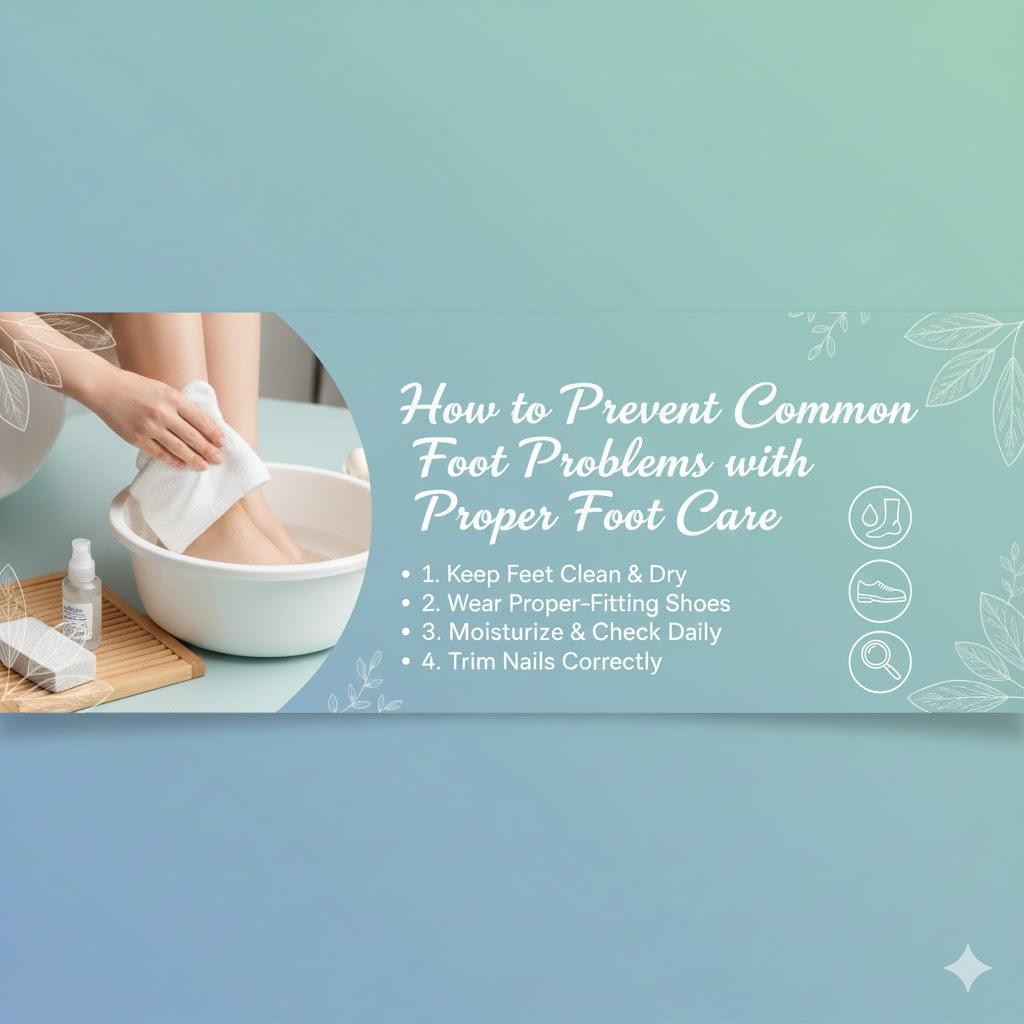
Healthy feet are essential for mobility, comfort, and overall well-being. Neglecting foot health can lead to a range of common problems, including fungal infections, calluses, ingrown nails, and chronic pain. Implementing a proper Foot Care routine helps prevent these issues and ensures your feet remain strong, soft, and beautiful.
This guide provides practical tips, preventive strategies, and expert advice to maintain optimal foot health and avoid common foot problems.
Understanding Common Foot Problems
Awareness is the first step in prevention. Understanding common foot issues helps you take proactive measures.
Calluses and Corns
Calluses and corns develop due to repeated friction or pressure on the skin. They can cause discomfort, pain, and unsightly appearance.
Ingrown Toenails
When nails grow into the skin, it can result in pain, swelling, and infection. Improper trimming or tight footwear often contributes to this problem.
Fungal Infections
Athlete’s foot and toenail fungus thrive in warm, moist environments. Symptoms include itching, discoloration, and a foul odor.
Heel Cracks
Dry, thickened skin on the heels can lead to painful cracks, especially in people who stand long hours or wear open-back shoes.
Plantar Fasciitis
Inflammation of the plantar fascia causes heel pain and difficulty walking, often linked to poor arch support or overuse.
Daily Foot Care Routine
A consistent daily routine is crucial for preventing foot problems.
Clean and Dry Your Feet
Wash your feet daily with mild soap and lukewarm water. Dry thoroughly, especially between the toes, to prevent fungal infections.
Moisturize Regularly
Apply a nourishing foot cream or lotion every day. Focus on heels, soles, and areas prone to dryness to maintain soft, healthy skin.
Proper Nail Care
Trim toenails straight across to prevent ingrown nails. Avoid cutting nails too short or rounding the edges excessively.
Inspect Your Feet
Check your feet regularly for cuts, blisters, redness, swelling, or signs of infection. Early detection prevents complications.
Choosing the Right Footwear
Footwear plays a pivotal role in foot health.
Supportive Shoes
Shoes with proper arch support, cushioning, and a comfortable fit prevent strain and discomfort. Avoid overly tight or high-heeled shoes for long periods.
Breathable Materials
Shoes made from natural, breathable materials reduce moisture buildup, odor, and fungal infections.
Proper Socks
Use moisture-wicking socks to keep feet dry and minimize friction. Avoid synthetic materials that trap sweat.
Foot Exercises for Strength and Flexibility
Strengthening and stretching your feet improves circulation, reduces tension, and prevents chronic pain.
Toe Stretches
Spread your toes wide and hold for a few seconds. Repeat to improve flexibility and circulation.
Heel Raises
Stand on your toes and lift your heels, then lower slowly. This strengthens calves and supports the arches.
Foot Rolling
Use a foot roller or ball to massage the sole and relieve tension in the arches.
Preventing Common Foot Problems
Specific preventive measures help reduce the risk of common foot issues.
For Calluses and Corns
-
Wear properly fitting shoes.
-
Use cushioned insoles to reduce pressure.
-
Gently exfoliate with a pumice stone and moisturize daily.
For Ingrown Toenails
-
Trim nails straight across.
-
Avoid overly tight footwear.
-
If pain persists, consult a podiatrist.
For Fungal Infections
-
Keep feet dry and clean.
-
Alternate shoes to allow drying.
-
Use antifungal powders or sprays when necessary.
For Heel Cracks
-
Moisturize heavily at night and wear socks.
-
Avoid walking barefoot on hard surfaces for long periods.
-
Exfoliate dead skin gently with a foot file.
For Plantar Fasciitis
-
Wear supportive shoes with good arch support.
-
Stretch the Achilles tendon and plantar fascia daily.
-
Avoid excessive high-impact activities without proper footwear.
Seasonal Foot Care Tips
Feet need different care depending on the season.
Summer
-
Keep feet ventilated to prevent sweat accumulation.
-
Wear sandals with proper support and sunscreen on exposed feet.
Winter
-
Moisturize regularly to prevent dryness and cracking.
-
Wear warm, breathable socks and insulated footwear to maintain circulation.
Professional Foot Care Tips
Seeking professional care occasionally helps maintain foot health.
-
Pedicures: Professional pedicures remove dead skin, maintain nails, and improve appearance.
-
Podiatrist Visits: Regular checkups detect early signs of foot problems, preventing serious issues.
-
Custom Insoles: For structural issues or chronic pain, orthotic inserts provide support and comfort.
Maintaining Foot Hygiene on the Go
Healthy feet require attention even outside the home.
-
Change socks daily.
-
Avoid walking barefoot in public areas like pools or gyms.
-
Carry foot wipes or sprays to refresh feet during travel or long workdays.
Conclusion
Preventing foot problems starts with proper care, awareness, and consistent routines. Daily hygiene, proper footwear, targeted exercises, and occasional professional care help maintain healthy, comfortable, and beautiful feet.

 English
 Arabic
 French
 Spanish
 Portuguese
 Deutsch
 Turkish
 Dutch
Dutch
 Italiano
 Russian
 Portuguese (Brazil)
 Greek
Greek