When homeowners think about interior design, their minds often go to paint colors, furniture choices, lighting fixtures, and décor. Yet one of the most influential, and frequently overlooked, details in shaping a home’s overall aesthetic is the door handle.
These small fixtures serve as the bridge between function and visual appeal, subtly influencing everything from the perceived quality of a space to the cohesion of a design theme. In many ways, door handles act as the “handshake” of your home: the first tactile encounter you have when entering a space, and often the final touch that completes a room.
Understanding how handle design impacts your home’s aesthetics can help you make smarter, more intentional choices that elevate your interiors. From material and shape to finish and placement, every feature contributes to a harmonious and well-crafted environment.
1. Door Handles as Visual Anchors
Door handles may be small, but they carry significant visual weight. Because they sit at the junction of walls and transitions between rooms, they naturally draw the eye. A well-chosen handle can serve as a visual anchor that ties together architectural elements and décor choices.
For example, a modern home with sleek lines and minimalist furniture is complemented beautifully by linear, understated handles in matte black or brushed nickel. In contrast, a traditional or vintage-inspired home may look more complete with ornate brass handles featuring curves and engravings. When the handle style aligns with a space’s design language, the entire room feels more cohesive.
2. Shape and Form Influence Design Language
The shape of a door handle communicates a design style as clearly as any piece of furniture. Lever handles, knobs, and pull handles all bring their own aesthetic associations.
Lever Handles
Lever handles often evoke modernity, simplicity, and practicality. Their elongated, ergonomic shape works well in contemporary homes and minimalist interiors. A square-edged lever communicates sharp modern lines, while a rounded lever feels softer and more inviting.
Door Knobs
Knobs typically feel classic, elegant, and sometimes nostalgic. Round knobs lend themselves to traditional or transitional design styles, while geometric knobs offer a more eclectic or artistic flair.
Pull Handles
Common on sliding doors, front doors, or closet doors, pull handles tend to make bold statements. Large, vertical pulls can add a sense of luxury and grandeur, especially when made of high-end materials like stainless steel or bronze.
Even subtle differences—like the curvature of a lever or the thickness of a pull—can shift how a room feels. A slim, delicate handle creates an air of refinement; a chunky, solid one conveys strength and durability.
3. Material Choices Shape Character and Mood
Material selection plays a huge role in determining the mood of your home. Each material has its own visual temperature, texture, and personality.
Stainless Steel
Stainless steel is sleek, clean, and modern. It works exceptionally well in contemporary homes, kitchens, and bathrooms. Its cool tones enhance minimalist spaces and pair nicely with glass, concrete, and neutral palettes.
Brass
Brass is warm, luxurious, and timeless. Polished brass gleams and makes a room feel more formal, while antique or brushed brass creates vintage charm without overpowering a space. Brass also stands out beautifully against darker doors or rich color schemes.
Bronze
Bronze brings a rustic, earthy vibe. Its natural darkening over time adds character and depth, making it perfect for traditional homes, rustic interiors, and industrial styles.
Black or Powder-Coated Finishes
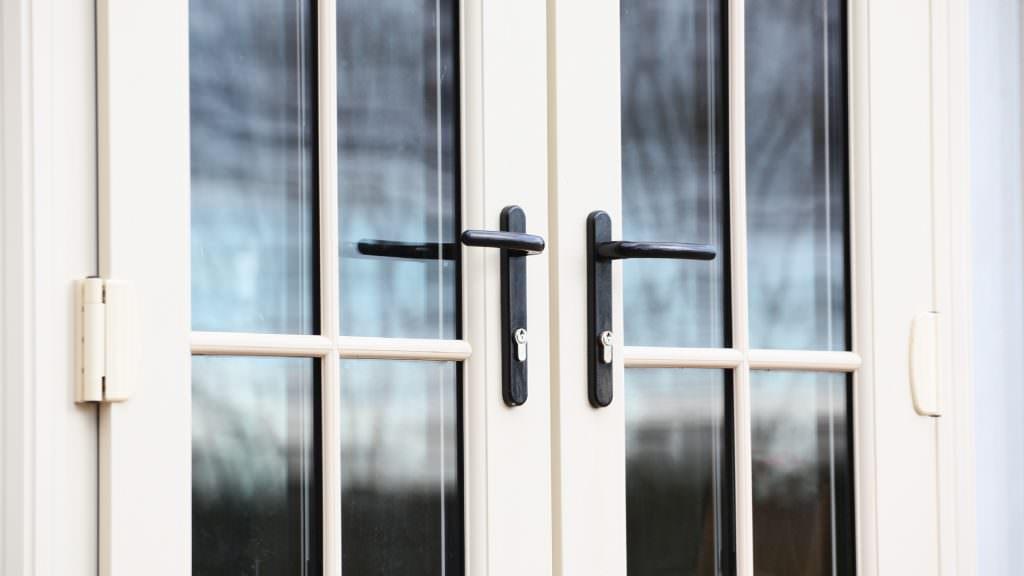
Black handles are currently trending because of their versatility. They add contrast to light doors, sophistication to wood tones, and an urban chic look to modern interiors.
Glass or Crystal
Glass handles or crystal knobs lend an elegant, decorative touch. They’re glamorous without being overwhelming and suit art deco, vintage, or luxury-themed spaces.
Material is more than just a design choice—it’s a sensory one. The weight and texture of a handle influence how high-quality your home feels during daily use.
4. The Role of Finish in Atmosphere and Cohesion
Finish is just as important as material. A brushed finish creates a softer, more muted look, while polished finishes reflect light and feel more formal. Choosing finishes that align with the rest of your home’s hardware—such as light fixtures, faucets, cabinet handles, and hinges—ensures design consistency.
For example:
Brushed nickel pairs well with modern bathrooms and kitchens.
Matte black makes a stunning contrast in Scandinavian or industrial interiors.
Polished chrome complements high-gloss and contemporary spaces.
Satin brass offers warmth in bohemian, mid-century, or luxury vibes.
A mismatched finish isn’t always wrong, but intentional choices are key. Sometimes a contrasting handle becomes a bold design moment; other times, a consistent finish offers quiet elegance.
5. Impact on Perceived Quality and Craftsmanship
Door handles contribute significantly to the perceived quality of your home. Heavy, well-made handles communicate craftsmanship and durability, giving rooms a more upscale feel. Conversely, lightweight or poorly finished handles can make even beautifully designed spaces feel cheap or incomplete.
Because handles are one of the few home fixtures you physically interact with every day, their tactile experience matters. Smoothness, weight, and stability influence subconscious judgments about the entire home. A sturdy, well-designed handle makes a strong impression.
6. How Doors Affect Color and Contrast
Doors also influence how colors and textures interact within a space. For instance:
A dark handle on a white door creates bold contrast.
A brass handle on a navy door exudes luxury.
A stainless-steel handle on a gray door creates a seamless, monochromatic look.
Handles can act as accents or disappear into their surroundings based on finish and placement. If you want your door to blend into the wall, a handle with a matching color and low-sheen finish helps. If you want your door to stand out, a contrasting handle draws attention.
7. The Role of Handles in Design Themes
Every design theme has handle styles that complement it:
Minimalist: simple levers, concealed screws, matte finishes
Industrial: black iron, exposed screws, robust forms
Modern: clean lines, stainless steel, geometric shapes
Classic/Traditional: curved levers, polished brass, ornate detailing
Farmhouse: bronze or antique brass, rustic textures
Mid-century modern: warm brass, streamlined shapes, retro-inspired forms
Choosing the right handle reinforces the theme and enhances the storytelling of your home’s aesthetic.
Final Thoughts
Door handles may seem like small design elements, but they wield a surprising amount of influence. They serve as functional art, pieces you touch every day that silently shape your home’s ambiance and style.
By choosing handles that reflect your aesthetic preferences, complement your décor, and enhance your space’s character, you elevate your environment in both subtle and significant ways.
In the end, thoughtful handle selection is an investment in beauty, comfort, and cohesive design. It’s the kind of detail that makes a house feel not just finished, but truly refined.

 English
 Arabic
 French
 Spanish
 Portuguese
 Deutsch
 Turkish
 Dutch
Dutch
 Italiano
 Russian
 Portuguese (Brazil)
 Greek
Greek