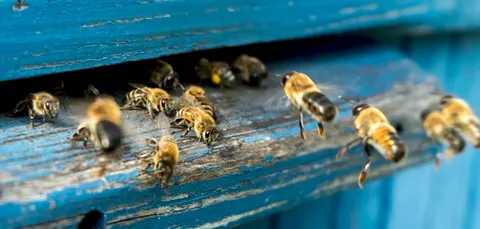
Professional bee control can feel overwhelming if you’ve never experienced it before. This guide walks you through each stage of the process so you know exactly what to expect, how experts keep your home safe, and why proper treatment matters.
Understanding the Need for Professional Help
When bees suddenly start gathering around your roofline, porch, or siding, it creates an unsettling mix of confusion and fear. Homeowners often wonder whether they should attempt a quick fix or call in professionals. The answer becomes clear once you understand how bees services actually work—and why they’re designed to protect both your home and the bees themselves.
In many homes, especially older ones in areas like Staten Island, Bayonne, or parts of Brooklyn, structural gaps attract bees and other pests. And surprisingly, issues with termites often show up in the same hidden spaces. Even though these pests behave differently, the need for trained inspection and safe removal connects them. When you understand how a professional approaches bees, you begin to appreciate how layered and careful the entire process is.
This article uses the PAS method (Problem–Agitate–Solution) to break down what you should expect when technicians arrive at your home for a bee removal appointment. The goal is to provide clarity, reduce stress, and help you feel confident in the process.
Hidden Bee Activity That Homeowners Can’t Safely Handle
In most cases, bee problems start small—a little cluster near a window, a buzzing sound near the attic, or a few bees slipping inside when the door opens. Homeowners might brush it off at first, thinking it’s temporary. But bees rarely appear in random spots. They follow scent trails, warm air pockets, small cracks, and moisture sources inside walls.
Why Bee Problems Escalate Quickly
A small colony can turn into a major hive in a matter of weeks. When bees locate a cavity inside a wall, soffit, or shed, their natural instinct is to expand the hive. That tiny opening you barely noticed can become an entrance for thousands.
Here’s what makes bees particularly difficult for homeowners to manage:
-
The hive is often hidden deep within structural layers.
-
Removing bees without harming them requires special equipment and controlled handling.
-
Killing bees inside walls causes honey rot, staining, mold, and additional pest activity.
-
Disturbing the hive without proper gear can trigger defensive swarming.
Many people become even more anxious because the problem isn’t visible. You only hear or see signs of it. And when you don’t know what’s happening behind the wall, your mind fills in the worst-case scenarios.
That uncertainty is the real stressor.
The Real Risks of Ignoring Bee Activity
Let’s look at what happens when the issue is not handled quickly or safely.
Damage to Structure
Once bees establish a hive in a wall cavity or attic, they produce wax and honey continuously. Honey absorbs moisture, and when left inside your walls, it can:
-
Warp wooden beams
-
Attract ants
-
Invite rodents
-
Drip into drywall and cause staining
This is where the connection between bees and termites becomes surprisingly important. Moisture from honey and wax makes wood more vulnerable. While bees don’t eat wood, the softened material becomes more appealing to other pests. These two issues can overlap, especially in older Staten Island homes with weathered framing or loose siding.
Increased Safety Risks
The longer bees stay, the more defensive they become. A colony of 200 bees is one thing. A colony of 10,000 behaves differently. Homeowners may not realize how quickly bee populations grow or how protective they are of brood (bee larvae). Handling this without protective equipment is genuinely dangerous.
A Staten Island Two-Family Home With a Hidden Hive
In late summer, a homeowner in Castleton Corners (Staten Island) noticed bees near a small gap where the aluminum siding met the soffit. The house was a typical two-family build from the 1970s—long, narrow, with old insulation pockets and layered siding.
At first, the family ignored it, assuming the bees would “go away after the season.” Within a month, the buzzing inside the upstairs bedroom wall became loud enough to hear during quiet hours.
When our team arrived, we used a thermal camera to confirm that the hive stretched almost three feet along the soffit interior. The heat signature revealed a large, active colony. Honey had already begun dripping into the insulation.
The homeowner admitted he had considered spraying the opening himself, but after watching a few videos online, he realized how unpredictable that could be.
What We Did
-
Opened the soffit carefully without collapsing the structure
-
Used a controlled vacuum system designed for live bees
-
Removed the hive from the wall cavity
-
Cleaned honey residue to prevent attracting ants or rodents
-
Sealed entry points with exterior-grade material
The hive was safely relocated to an apiary in New Jersey, where it continues to thrive. The homeowner later told us the relief he felt when the buzzing stopped was “like getting his house back.”
This scenario is incredibly common—and exactly why professional help makes all the difference.
What Actually Happens During Professional Bees Services
Now that we’ve examined the risks and real-world experiences, let’s break down the actual steps during a professional bee visit. Understanding the process helps replace fear with clarity.
Inspection and Assessment
Technicians start by identifying:
-
Where bees are entering
-
How large the colony is
-
What structural areas are affected
-
Whether honey, wax, or brood are present
-
Whether the space risks additional pest problems
Professionals check both exterior and interior areas. Tools vary—flashlights, borescopes, protective suits, and thermal cameras help pinpoint the hive’s exact placement.
Determining Safe Access
Every home layout is different. Apartments in Bay Ridge, brick houses in Staten Island, and wooden frames in Tottenville all require different approaches. Technicians look for the safest point of access that allows removal with minimal property disturbance.
This step alone is something homeowners can’t realistically do without risking injury or damage.
Live Bee Removal
Whenever possible, bees are relocated rather than killed. This helps protect pollinators and local ecosystems. Specialized equipment gently collects bees without harming them.
This is also the stage where technicians wear full protective suits, because the hive becomes alert once the removal begins.
Removing Wax, Honey, and Residue
Many people assume bee removal ends with taking the bees away. The truth is, the real danger lies in what’s left behind. Wax and honey must be fully cleaned out to prevent:
-
Mold
-
Rodent attraction
-
Structural staining
-
Secondary ant infestations
This is one of the most detailed parts of the job.
Sealing Entry Points and Prevention
Finally, technicians close off access points using sturdy materials suited to the home’s structure. If small openings remain, bees—and other insects—will find their way back.
This final step ensures long-term protection.
Conclusion:
A bee issue can feel overwhelming, especially when you can’t see what’s happening behind your walls. But once you understand how the process works, you realize that professional help isn’t just safer—it’s the only approach that protects your home, your family, and the bees themselves.
If you’re noticing unusual bee activity, hearing buzzing inside walls, or seeing them gather around siding or rooflines, don’t wait for the situation to escalate. Reach out to an experienced pest control team who can assess the situation and provide safe, effective solutions before damage spreads.

 English
 Arabic
 French
 Spanish
 Portuguese
 Deutsch
 Turkish
 Dutch
Dutch
 Italiano
 Russian
 Portuguese (Brazil)
 Greek
Greek