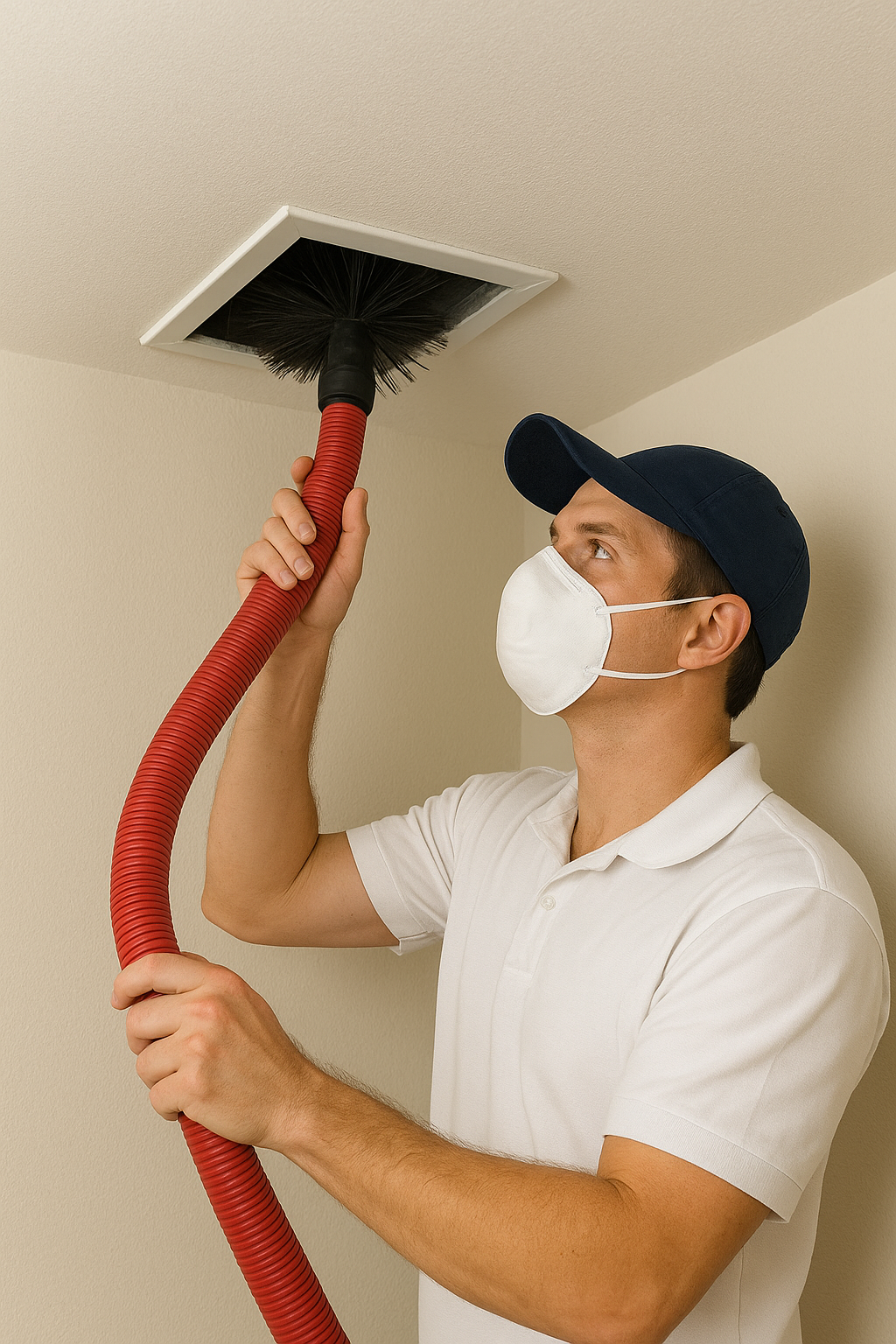
Home air conditioning systems are not complicated, but they are precise. When everything is clean, balanced, and wired correctly, the system runs quietly in the background and does its job. When one part drifts out of spec, the system starts compensating, and that is when breakdowns happen.
Homeowners searching for AC service Delray Beach are often dealing with symptoms, not causes. Technicians in training need to learn how to work backward from those symptoms to the root problem. This guide walks through that process step by step.
How a Central Air Conditioning System Is Designed to Work
Before diagnosing failure, you need to understand normal operation.
The Refrigeration Cycle in Simple Terms
A residential AC system moves heat, it does not create cold air.
-
The evaporator coil absorbs heat from indoor air
-
The compressor pumps refrigerant through the system
-
The condenser coil releases heat outdoors
-
The metering device controls refrigerant flow
-
The blower motor moves air across the coil and through the ductwork
When airflow, refrigerant charge, and electrical components are balanced, the system maintains steady temperature and humidity.
Why Most AC Problems Start Small and Get Worse
Very few systems fail suddenly without warning. Most problems begin as minor inefficiencies.
Restricted Airflow Is the Most Common Root Cause
Low airflow causes multiple failures downstream.
Common airflow restrictions include:
-
Dirty filters
-
Plugged evaporator coils
-
Undersized or blocked return ducts
-
Failing blower motors or capacitors
Low airflow leads to:
-
Coil freezing
-
High compressor stress
-
Poor humidity removal
-
Increased electrical draw
This is why routine AC service searches spike during peak summer months. Heat exposes airflow weaknesses quickly.
Electrical Components Fail Before Mechanical Parts
From field experience, electrical issues cause more no-cool calls than refrigerant problems.
Capacitors, Contactors, and Voltage Imbalance
Electrical components operate under heat and vibration.
Common electrical failures:
-
Weak run capacitors
-
Pitted contactors
-
Loose high-voltage connections
-
Low control voltage from aging transformers
Symptoms homeowners notice:
-
Outdoor unit not starting
-
Humming without cooling
-
System shutting off randomly
Electrical issues are often misdiagnosed as major failures when basic testing would reveal the problem.
Refrigerant Problems Are Usually the Result, Not the Cause
Refrigerant does not get “used up.” If charge is low, something caused it.
Why Refrigerant Balance Matters
Incorrect refrigerant charge affects:
-
Heat absorption at the evaporator
-
Compressor discharge temperatures
-
Oil return
-
Energy efficiency
Low charge is usually caused by:
-
Coil corrosion
-
Poor brazing joints
-
Schrader valve leaks
High charge often results from:
-
Improper service practices
-
Guesswork instead of measurements
This is why ac repair delray beach fl calls frequently follow improper prior service, not natural system aging.
What Turns Minor Issues Into Emergency Breakdowns
Most emergency ac repair Delray beach calls could have been avoided with earlier inspection.
Heat Load and System Stress
When outdoor temperatures rise:
-
Head pressure increases
-
Electrical demand rises
-
Weak components fail first
A system that barely survived spring will often fail during summer heat waves.
Emergency failures typically involve:
-
Compressor overheating
-
Blower motor burnout
-
Electrical shorting from heat-damaged insulation
The same patterns apply in nearby markets such as ac repair Boca Raton FL and emergency ac repair Boca Raton, where coastal humidity adds additional stress.
Proper AC Service Follows a Diagnostic Order
Professional service is not guesswork. It follows logic.
Step-by-Step Service Approach
-
Verify airflow
-
Static pressure
-
Filter condition
-
Coil cleanliness
-
-
Confirm electrical integrity
-
Voltage balance
-
Capacitor values
-
Amp draw
-
-
Evaluate refrigerant performance
-
Superheat and subcooling
-
Coil temperature split
-
-
Inspect system controls
-
Thermostat accuracy
-
Safety switches
-
Drain protection devices
-
Skipping steps leads to repeat failures.
Why Preventive Maintenance Actually Works
Maintenance is not about selling parts. It is about keeping systems within design limits.
What Real Maintenance Prevents
Consistent service reduces:
-
Compressor failures
-
Emergency calls
-
Utility cost spikes
-
Comfort complaints
A properly maintained system runs:
-
Lower head pressure
-
Lower amperage
-
Longer cycle life
Companies like Air We Go use this approach because it reduces repeat failures and unnecessary replacements.
What Homeowners Should Understand Before Calling for Service
Homeowners do not need technical expertise, but understanding symptoms helps communication.
Useful Information to Share With a Technician
-
When the problem started
-
Whether cooling is reduced or completely lost
-
Any unusual sounds or odors
-
Whether breakers or safety switches have tripped
This information shortens diagnostic time and improves accuracy.
Training Insight for Entry-Level Technicians
If you are learning HVAC, remember this:
Systems fail logically. They do not fail emotionally or randomly.
Field Lessons That Matter
-
Measure before adjusting
-
Verify airflow before refrigerant
-
Electrical problems hide in plain sight
-
Coil cleanliness affects everything
Technicians who understand system behavior solve problems faster and with fewer callbacks.
Practical Takeaway: Prevent Problems Before They Become Failures
Most residential AC breakdowns are predictable. They follow the same patterns across systems, climates, and brands.
Regular inspection, proper measurements, and airflow management prevent the majority of emergency failures. When problems exceed basic maintenance or diagnostic limits, professional HVAC service is necessary to ensure safety and long-term system reliability.
Understanding how systems work allows homeowners and technicians to make better decisions before minor issues become major repairs.

 English
 Arabic
 French
 Spanish
 Portuguese
 Deutsch
 Turkish
 Dutch
Dutch
 Italiano
 Romaian
 Portuguese (Brazil)
 Greek
Greek