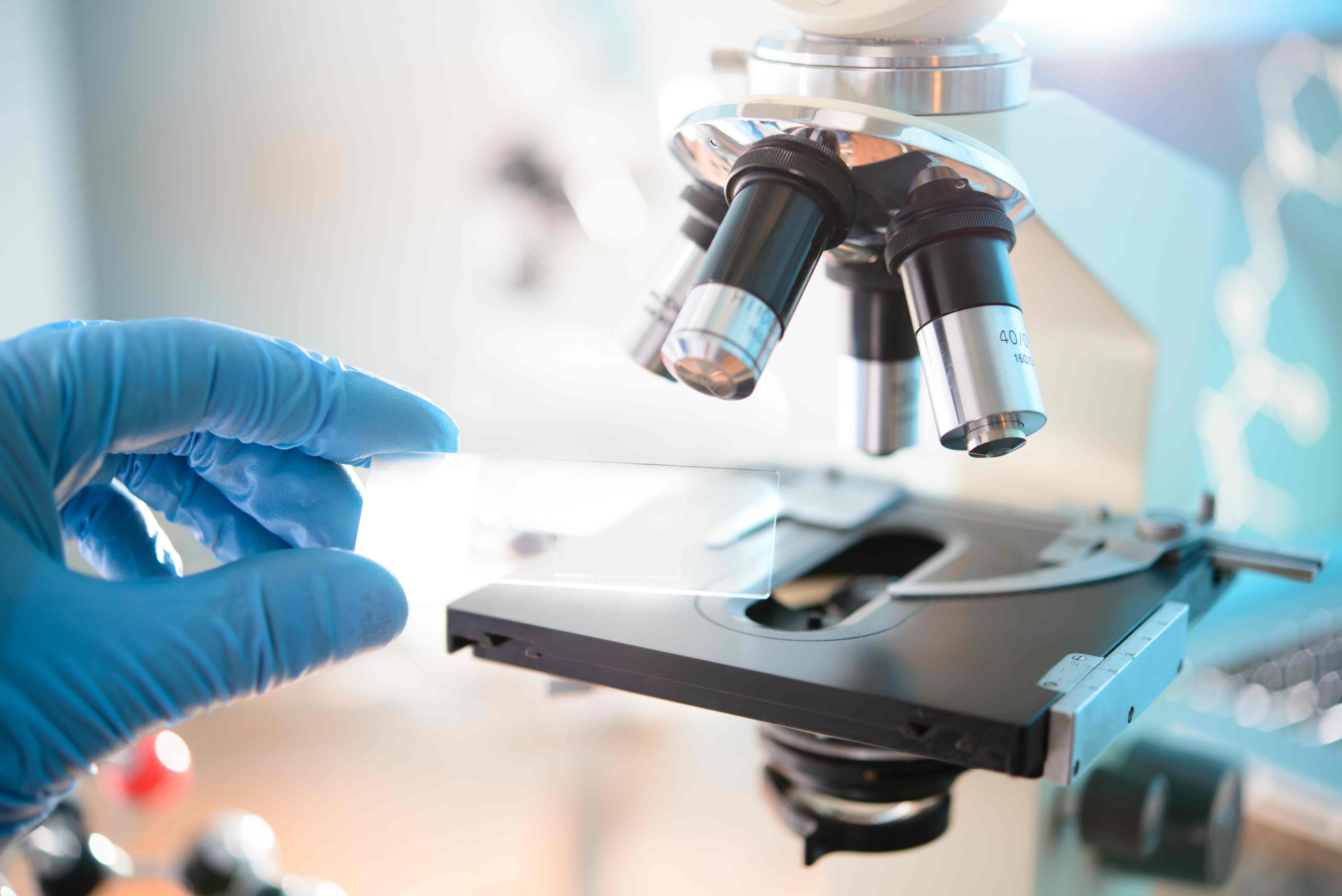
In the era of genomics, bioinformatics, and digital healthcare, data has become the new lifeblood of life sciences research. From genome sequencing to clinical imaging and drug discovery, the volume and complexity of information generated each day are immense. Managing, securing, and making sense of that data requires more than just large hard drives—it demands life sciences enterprise storage, a specialized infrastructure designed to fuel discovery while meeting the sector’s unique performance, compliance, and collaboration challenges.
At its essence, enterprise storage for life sciences provides the backbone for data-intensive research. A single sequencing run, for example, can produce terabytes of raw data that need to be stored, processed, and shared among interdisciplinary teams. Traditional storage systems struggle under such demands, where scalability, speed, and reliability are non-negotiable. Modern enterprise storage platforms rise to the challenge with high-throughput performance, hybrid architectures, and intelligent data management built to keep pace with scientific innovation.
One of the main strengths of these systems is scalability. Research institutions and biopharma companies must handle exponential data growth as experimental technologies evolve. Scalable enterprise storage solutions allow easy expansion—from on-premises systems to hybrid or fully cloud-based environments—without expensive downtime or workflow disruption. Whether researchers are feeding AI-driven drug screening pipelines or working with high-resolution cryo-electron microscopy images, they can rely on storage that grows alongside their ambition.
Equally critical is speed and access. Life sciences workflows rely on rapid data retrieval across globally distributed teams. High-performance storage powered by NVMe drives, parallel file systems, and optimized I/O pipelines ensures that scientists don’t waste precious time waiting for data loads. Seamless integration with analytics platforms and supercomputing clusters supports real-time visualization, modeling, and analysis—vital for time-sensitive research such as vaccine development or clinical diagnostics.
Another defining feature of enterprise storage in this sector is the emphasis on data integrity, security, and compliance. Life sciences organizations must adhere to strict regulatory frameworks such as HIPAA, GDPR, and FDA 21 CFR Part 11, which govern data privacy, traceability, and auditability. Advanced solutions incorporate encryption, automated backup, multi-tier redundancy, and immutable snapshots to protect against data loss or tampering. Built-in governance tools simplify compliance reporting, reducing administrative overhead while maintaining scientific rigor.
Collaboration also lies at the heart of life sciences innovation, and enterprise storage serves as the collaborative hub connecting researchers, institutions, and cloud ecosystems. Shared access environments with role-based permissions allow teams to securely exchange large datasets while maintaining control and version history. Integration with cloud-native platforms like AWS, Azure, or Google Cloud enables scalable computing power for AI and ML workloads—turning archives of raw data into actionable discoveries.
As data volumes surge and research becomes more computationally driven, intelligent data management is becoming indispensable. Modern systems use metadata tagging, tiered storage, and automated lifecycle management to optimize performance and cost. Frequently accessed “hot” data remains on high-speed drives, while “cold” archival data is automatically moved to cost-efficient tiers, all without disrupting user workflows.
Source - https://www.marketresearchfuture.com/reports/life-sciences-enterprise-storage-market-23400
Ultimately, life sciences enterprise storage is far more than infrastructure—it’s an enabler of scientific progress. By ensuring that petabytes of experimental data remain accessible, secure, and ready for analysis, it empowers scientists to move faster from hypothesis to breakthrough. In a field where every discovery can change lives, having the right data foundation is not just an advantage—it’s a necessity.

 English
 Arabic
 French
 Spanish
 Portuguese
 Deutsch
 Turkish
 Dutch
Dutch
 Italiano
 Romaian
 Portuguese (Brazil)
 Greek
Greek