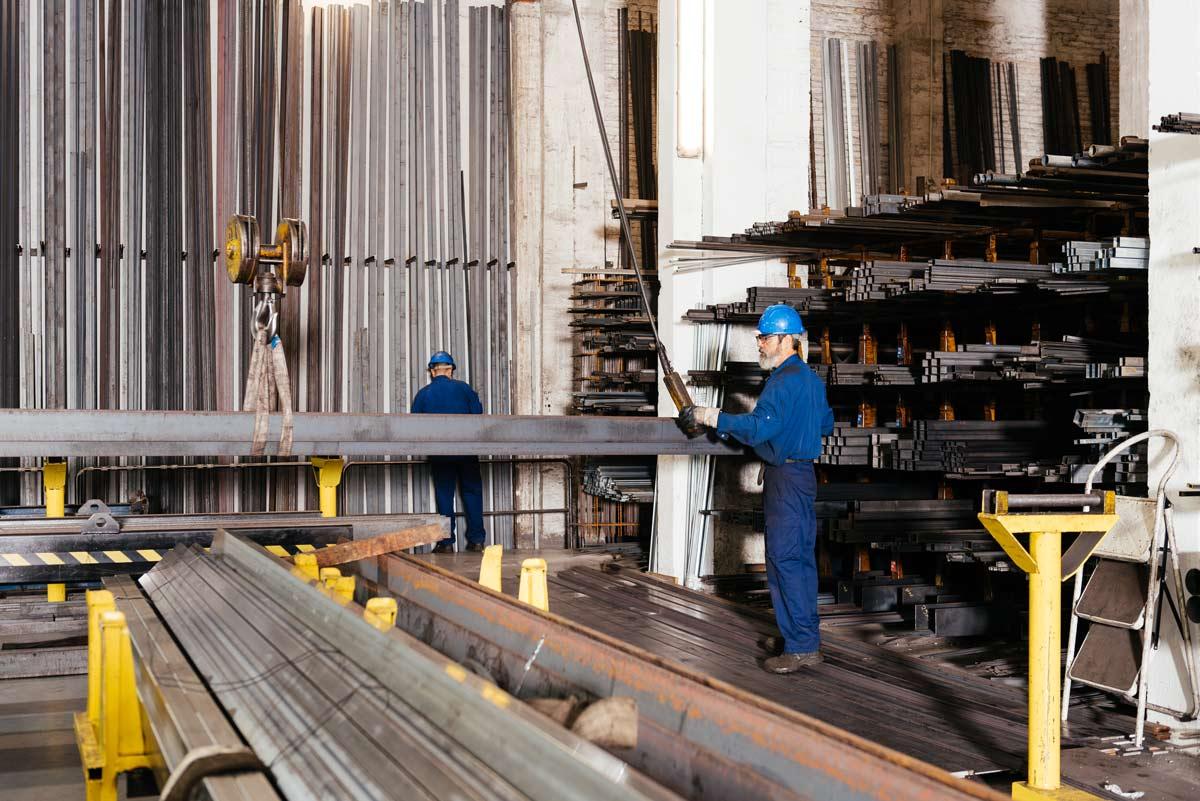
Every year, millions of tonnes of metal products reach the end of their useful life. From old machinery and construction materials to vehicles and household items, much of this metal can be recovered and reused instead of being sent to landfill. Recycling metal is an effective way to conserve natural resources, reduce environmental impact, and support a more sustainable future.
Unlike many materials, metals can be recycled repeatedly without losing their strength or quality. Whether it is steel, aluminium, copper, or other valuable materials, proper recycling helps industries recover resources while reducing the need for new mining and manufacturing processes.
For businesses dealing with excess materials, scrap steel, or industrial waste, professional recycling services provide a practical solution to manage unwanted metal responsibly while creating economic value.
Why Is Recycling Metal Important?
Metal plays a major role in modern industries, including construction, manufacturing, automotive, and engineering. However, producing new metals from raw materials requires significant energy, water, and natural resources.
Recycling metal helps reduce the demand for newly mined materials and allows valuable resources to stay within the production cycle. Instead of wasting old metal products, recycling facilities can process them into usable materials for new applications.
Some key benefits include:
- Conserving natural resources: Recycling reduces the need for extracting fresh ores from the earth.
- Saving energy: Processing recycled metals often requires less energy compared to producing metals from raw materials.
- Reducing landfill waste: Metal items can take years to break down, making recycling a better waste management option.
- Supporting the circular economy: Recovered metals can be transformed into new products, reducing unnecessary waste.
How Does the Metal Recycling Process Work?
The process of turning unwanted metal into reusable material involves several important stages. Professional recycling companies use specialised equipment and techniques to ensure metals are efficiently recovered.
1. Collection and Sorting
The first step involves collecting scrap metal from various sources, including factories, construction sites, demolition projects, and commercial businesses. Metals are then sorted according to their type and quality.
Common recyclable metals include:
- Scrap steel
- Stainless steel
- Aluminium
- Copper
- Brass
- Iron
Accurate sorting ensures that each material can be processed correctly and achieve maximum recycling value.
2. Processing and Preparation
After sorting, metal materials are cleaned and prepared for recycling. Large pieces of scrap may be cut, crushed, or shredded using industrial machinery. This makes transportation easier and prepares the material for melting.
Modern recycling facilities use advanced equipment to separate different metals and remove unwanted materials.
3. Melting and Manufacturing
Once processed, metals are melted in specialised furnaces and converted into new raw materials. These recycled metals can then be used by manufacturers to produce new products such as machinery parts, building materials, vehicles, and industrial components.
This process reduces reliance on virgin materials while helping industries operate more sustainably.
Types of Metal Commonly Recycled
Different industries generate various types of scrap metal. Understanding which materials can be recycled helps businesses make better waste management decisions.
Steel and Iron Recycling
Steel is one of the most recycled materials worldwide due to its durability and widespread use. Scrap steel from machinery, buildings, and industrial equipment can be recovered and reused in many applications.
Aluminium Recycling
Aluminium recycling is highly valuable because producing recycled aluminium requires significantly less energy compared to creating new aluminium. It is commonly recovered from vehicles, construction materials, and manufacturing waste.
Copper and Specialty Metals
Copper, brass, and other non-ferrous metals have strong recycling value because they maintain their properties after processing. These materials are commonly found in electrical components, plumbing systems, and industrial equipment.
Environmental Benefits of Metal Recycling
The environmental advantages of recycling extend far beyond reducing landfill waste. Recovering scrap metals helps lower greenhouse gas emissions and decreases the environmental impact associated with mining activities.
By choosing responsible scrap management solutions, businesses can:
- Reduce carbon emissions
- Minimise industrial waste
- Lower energy consumption
- Protect natural ecosystems
- Encourage sustainable manufacturing practices
For industries producing large amounts of scrap materials, partnering with an experienced recycling provider ensures valuable resources are handled efficiently.
Why Businesses Should Choose Professional Metal Recycling Services
Managing scrap metal internally can be time-consuming and costly. Professional recycling companies provide collection, sorting, processing, and recycling solutions designed to meet industrial needs.
Reliable recycling services can help businesses:
- Remove unwanted scrap efficiently
- Improve workplace safety
- Maximise the value of recyclable materials
- Meet environmental responsibilities
- Maintain cleaner work environments
Whether you operate a construction company, manufacturing facility, or industrial business, expert scrap recycling support can simplify waste management.
Conclusion
Recycling metal is more than just a waste reduction method—it is an important step towards creating a cleaner and more sustainable future. By recovering valuable materials like steel, aluminium, and copper, recycling helps conserve resources, reduce energy usage, and support responsible industrial practices.
Businesses that generate scrap metal can benefit from working with professional recycling providers to ensure materials are collected, processed, and reused effectively. Choosing sustainable metal management solutions today helps protect resources for future generations.
If your business has scrap steel or unwanted metal materials, consider professional recycling services to turn waste into valuable resources.
FAQs About Recycling Metal
1. What types of metal can be recycled?
Most metals can be recycled, including steel, iron, aluminium, copper, brass, and stainless steel. Many industrial and commercial metal products can be recovered and reused.
2. Is recycling metal better than throwing it away?
Yes. Recycling prevents valuable materials from entering landfills, reduces environmental impact, and saves energy compared to producing new metals from raw resources.
3. How does recycling metal help the environment?
Recycling reduces mining activities, lowers carbon emissions, saves energy, and supports a circular economy where materials are reused instead of wasted.
4. Can scrap steel be recycled multiple times?
Yes. Steel can be recycled repeatedly without losing its strength or quality, making it one of the most sustainable materials available.
5. How can businesses recycle large amounts of metal waste?
Businesses can contact professional scrap metal recycling companies that provide collection, sorting, and processing services for industrial quantities of metal waste.

 Arabic
 French
 Spanish
 Portuguese
 Deutsch
 Turkish
 Dutch
Dutch
 Italiano
 Russian
 Romaian
 Portuguese (Brazil)
 Greek
Greek