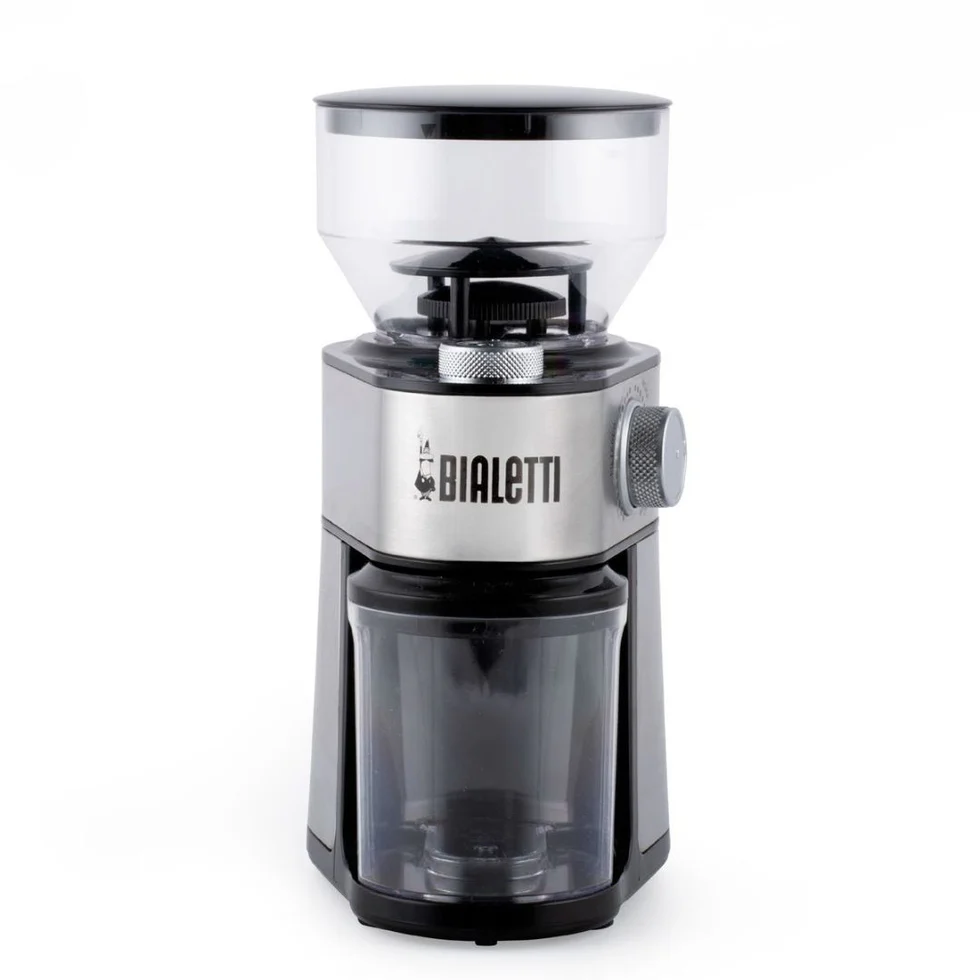
Coffee quality depends on several factors, but grinding fresh beans immediately before brewing has one of the greatest effects on flavor and aroma. A high-quality coffee bean grinder provides consistent particle size, helping water extract the right balance of sweetness, acidity, and body from every cup. Whether preparing espresso, pour-over, French press, or drip coffee, selecting the right grinder improves brewing consistency and reduces waste. Modern grinding technology offers options for every budget, from compact household models to commercial machines used in cafés. Understanding how different grinder types work makes it easier to choose equipment that matches your brewing habits and delivers reliable results over time.
What is a coffee bean grinder?
A coffee bean grinder is a machine designed to break whole roasted coffee beans into particles of a specific size before brewing. Fresh grinding preserves aromatic oils and volatile compounds that begin fading shortly after coffee is ground. This results in noticeably richer flavor compared with preground coffee that has been stored for extended periods.
Grinders use different mechanisms to process beans, including blades and burrs. The goal is to achieve a uniform grind that allows water to extract coffee evenly. Consistent particle size improves taste, minimizes bitterness, and reduces sour flavors caused by uneven extraction. For beginners and experienced coffee enthusiasts alike, a reliable grinder is one of the most valuable pieces of brewing equipment.
Why should I grind coffee beans at home?
Fresh grinding provides better aroma, improved flavor clarity, and greater control over brewing. Whole beans maintain freshness significantly longer than pre-ground coffee because their internal oils remain protected until grinding.
Home grinding also allows precise adjustment for different brewing methods. Small changes in grind size directly influence extraction speed and beverage strength. Many coffee enthusiasts appreciate the flexibility to experiment with recipes while maintaining consistent quality.
Additional advantages include the following:
-
Fresher aroma in every brew.
-
Better control over extraction.
-
Reduced oxidation before brewing.
-
Greater compatibility with multiple brewing methods.
-
Improved overall beverage quality.
Many specialty coffee retailers, including Coffeeworkz, recommend grinding only the amount of coffee needed for each brewing session to maximize freshness.
What grind size should I use for different brewing methods?
The ideal grind depends on how quickly water passes through the coffee bed and how long extraction lasts. Different brewing systems require different particle sizes for balanced flavor.
General recommendations include:
-
Extra fine grind for Turkish coffee.
-
Fine grind for espresso machines.
-
Medium-fine grind for overpour-over brewers.
-
Medium grind for automatic drip coffee makers.
-
Coarse grind for French press.
-
Extra coarse grind for cold brew.
Using the wrong grind size can produce disappointing results. Coffee that is ground too fine may taste bitter because extraction continues too long, while overly coarse coffee often tastes weak or sour because water passes through too quickly. Adjusting grind size gradually allows brewers to fine-tune flavor without changing the coffee beans themselves.
What is a burr coffee grinder?
A burr coffee grinder crushes beans between two precisely engineered grinding surfaces rather than chopping them with spinning blades. This design creates a much more consistent particle size, making it the preferred choice for specialty coffee preparation.
https://coffeeworkz.com/products/bialetti-electric-grinder. Flat burrs often provide highly uniform grinding suitable for commercial applications, while conical burrs operate more quietly and generate less heat during grinding. Both designs significantly outperform traditional blade grinders when consistency is important.
Key benefits include the following:
-
Uniform particle size.
-
Better extraction consistency.
-
Reduced heat generation.
-
Adjustable grind settings.
-
Improved flavor clarity for all brewing methods.
Regular cleaning prevents old coffee oils from building up inside the burr chamber. Keeping burrs clean helps maintain consistent grinding performance and extends equipment life.
What is the difference between an electric coffee grinder and a burr coffee grinder?
An electric coffee grinder simply refers to any grinder powered by an electric motor. It may use either spinning blades or burr grinding technology. A burr coffee grinder describes the grinding mechanism itself rather than the power source.
Many modern electric grinders use burr systems because they provide superior grind consistency. However, some affordable electric models still rely on blade mechanisms, which produce uneven particle sizes and less predictable brewing results.
When comparing the two, consider these differences:
-
Electric grinders emphasize convenience and speed.
-
Burr grinders emphasize grinding precision.
-
Electric blade grinders usually cost less.
-
Electric burr grinders generally deliver higher-quality coffee.
-
Burr systems provide repeatable grind adjustments for multiple brewing styles.
For espresso and specialty brewing, an electric grinder equipped with burrs usually offers the best balance between convenience and performance.
Choosing the Right Grinder and Maintaining Performance
Selecting the right grinder depends on brewing preferences, household usage, and desired consistency. Frequent espresso preparation benefits from grinders with precise micro adjustments, while general home brewing often works well with stepped adjustment systems offering several grind settings.
Maintenance plays an equally important role in long-term performance. Empty the hopper regularly, brush away retained grounds, and clean burrs according to the manufacturer's recommendations. Avoid grinding flavored coffee or oily substances that may leave residue inside the grinding chamber. Replacing worn burrs after extended use restores grinding consistency and ensures dependable extraction for years.
Conclusion
Choosing a quality coffee bean grinder is one of the most effective ways to improve coffee preparation at home or in a professional setting. Whether selecting an electric coffee grinder for everyday convenience or investing in a precision burr coffee grinder for consistent extraction, the right equipment supports better flavor, balanced brewing, and reliable results. Matching grind size to the brewing method, maintaining clean grinding components, and using freshly roasted whole beans all contribute to higher-quality beverages. With proper care and thoughtful equipment selection, a grinder becomes a long-lasting investment that enhances every stage of the coffee-making process and delivers consistently satisfying cups throughout its service life.

 Arabic
 French
 Spanish
 Portuguese
 Deutsch
 Turkish
 Dutch
Dutch
 Italiano
 Russian
 Romaian
 Portuguese (Brazil)
 Greek
Greek