In today’s fast-paced and climate-dependent lifestyle, air conditioners have become an essential part of homes, offices, and commercial spaces. Especially in regions with hot, humid weather, an air conditioner is not a luxury but a necessity. However, while most users focus on installing a high-quality AC unit, many often overlook one crucial aspect that directly impacts performance, energy consumption, and lifespan—regular servicing.
Regular air conditioner servicing is not just about cleaning filters or checking for faults; it is a comprehensive maintenance process that ensures the system operates at peak efficiency. When neglected, an air conditioner gradually loses its cooling efficiency, consumes more electricity, and becomes prone to frequent breakdowns. On the other hand, a well-maintained AC system delivers consistent cooling, lowers electricity bills, and lasts significantly longer.
This article explores why regular air conditioner servicing is essential and how it contributes to better efficiency and energy savings.
Understanding How Air Conditioners Work
To understand the importance of servicing, it is necessary to first understand the basic working principle of an air conditioner. An AC system operates by removing heat from indoor air and transferring it outside using refrigerant gas. This process involves several components, including the compressor, evaporator coil, condenser coil, filters, and fans.
When all these components function smoothly, the AC delivers efficient cooling. However, over time, dust accumulation, refrigerant leaks, and mechanical wear can disrupt this process. Even a minor issue in a single component can degrade the system's overall performance.
Regular servicing ensures that all parts are inspected, cleaned, and maintained properly so that the system continues to function as designed.
Improved Energy Efficiency Through Regular Servicing
One of the most significant benefits of regular air conditioner servicing is improved energy efficiency. When an AC unit is not cleaned or maintained properly, dust and dirt accumulate on filters and coils. This forces the system to work harder to achieve the desired temperature.
As a result, the compressor runs for longer cycles, consuming more electricity. In contrast, a clean, well-maintained AC unit requires less effort to cool a room, thereby reducing energy consumption.
A professionally serviced air conditioner can improve energy efficiency by a noticeable margin, helping homeowners and businesses significantly reduce their monthly electricity bills. Over time, these savings can offset the cost of servicing itself.
NOTE:- Businesses had relied on Best AC Maintenance Companies In Dubai for efficient cooling system upkeep in commercial spaces. Scheduled maintenance had minimized downtime and enhanced productivity. Certified technicians had ensured safety standards. Ac Pro had been recognized for offering dependable HVAC maintenance and emergency repair services successfully across Dubai region.
Enhanced Cooling Performance and Comfort
Another important advantage of regular servicing is consistent cooling performance. Many users experience reduced cooling efficiency over time, but do not realize that the root cause is a lack of maintenance.
When filters are clogged or coils are dirty, airflow becomes restricted. This leads to uneven cooling, where some parts of the room remain warmer than others. Regular servicing ensures that airflow is unobstructed and that the system distributes cool air evenly.
Additionally, refrigerant levels are checked and adjusted during servicing, which helps maintain optimal cooling performance. This ensures indoor environments remain comfortable even during extreme weather.
Extending the Lifespan of the Air Conditioner
An air conditioner is a long-term investment, and like any mechanical system, it requires proper care to function efficiently over the years. Without regular servicing, components experience unnecessary strain, leading to accelerated wear and tear.
For example, a clogged filter forces the fan motor to work harder, while low refrigerant levels can overburden the compressor. These issues, if left unresolved, can lead to major system failures.
Routine servicing helps identify and fix minor problems before they turn into expensive repairs. This proactive maintenance approach significantly extends the lifespan of the air conditioner, ensuring better value for money in the long run.
Reduction in Repair Costs and Unexpected Breakdowns
One of the most frustrating experiences for any AC user is a sudden system failure during peak summer. Such breakdowns not only cause discomfort but can also result in high repair costs.
Regular servicing helps prevent these unexpected issues by detecting early signs of malfunction. Technicians can identify worn-out parts, gas leaks, or electrical issues during routine inspections.
By addressing these problems early, users can avoid costly emergency repairs and ensure uninterrupted cooling. In most cases, preventive maintenance costs are much lower than the cost of major repairs or component replacements.
Better Indoor Air Quality
Air conditioners do more than just cool the air—they also continuously circulate indoor air. If the filters and internal components are dirty, the system can spread dust, allergens, and bacteria throughout the room.
This can negatively affect indoor air quality and may lead to respiratory issues, allergies, or discomfort, especially for children and elderly individuals.
Regular servicing includes cleaning or replacing air filters, disinfecting coils, and removing dust buildup. This ensures that the air being circulated is clean and healthy, improving overall indoor environmental quality.
Optimized Refrigerant Levels for Maximum Efficiency
Refrigerant is a critical component of an air conditioner's cooling process. If the refrigerant level is too low due to leakage or improper maintenance, the cooling efficiency drops significantly.
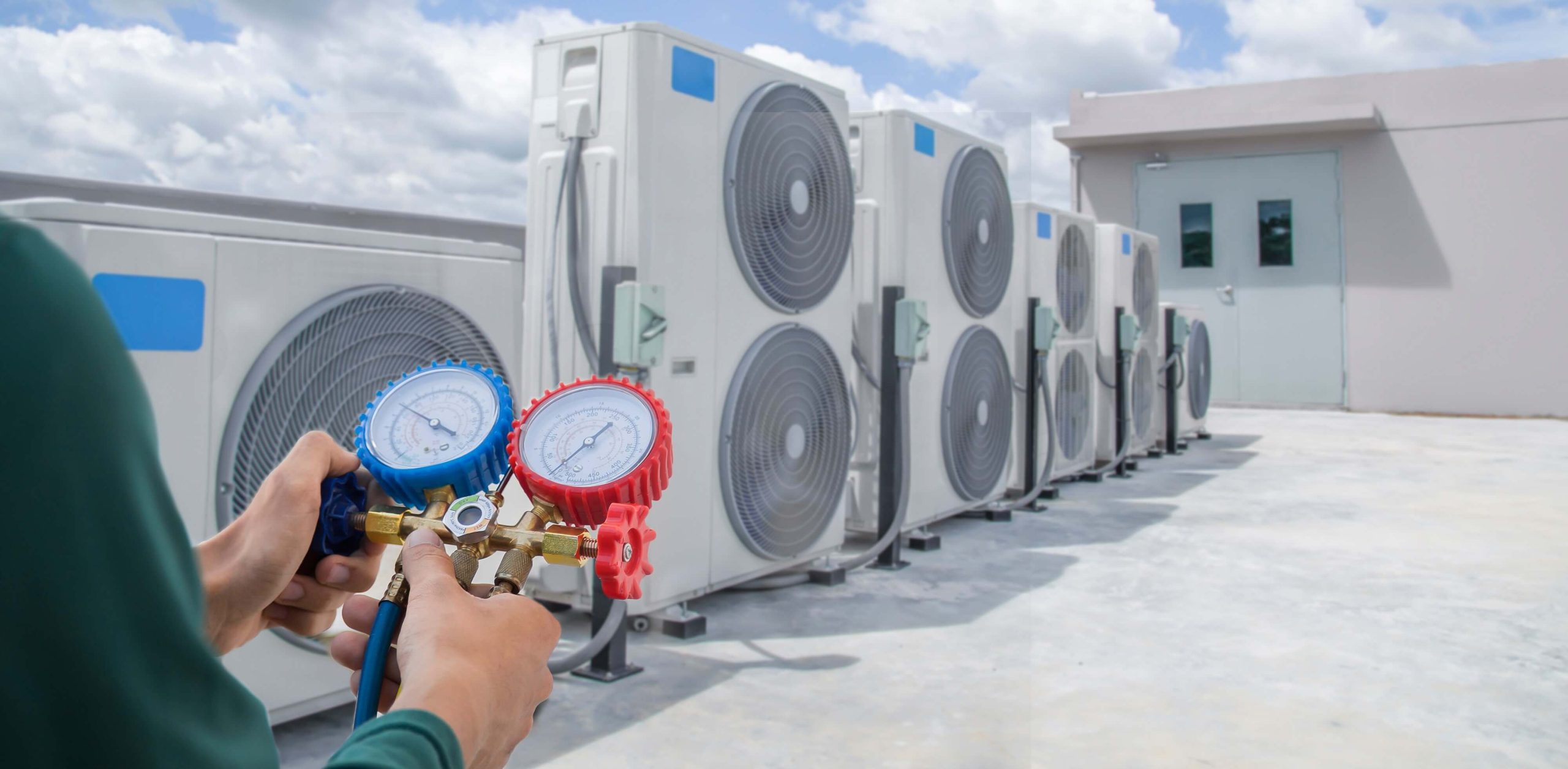
During regular servicing, technicians check refrigerant pressure and refill it if necessary. They also inspect the system for leaks and fix them to prevent further loss.
Maintaining optimal refrigerant levels ensures the AC cools effectively without placing unnecessary pressure on the compressor, thereby enhancing energy efficiency and system reliability.
Prevention of Dust and Mold Accumulation
Air conditioners, especially those used in humid environments, are prone to dust and mold buildup. When moisture accumulates inside the unit, it creates a breeding ground for mold and bacteria.
This not only affects system performance but also poses health risks. Mold spores can circulate through the air, causing unpleasant odors and potential health issues.
Regular servicing includes deep cleaning of internal components, helping prevent mold growth and ensuring a fresh, hygienic cooling experience.
Improved System Reliability and Stability
A well-maintained air conditioner operates more reliably and consistently. Users are less likely to experience sudden cooling performance fluctuations or system shutdowns.
Servicing ensures that electrical connections are secure, mechanical parts are functioning correctly, and sensors are calibrated properly. This leads to a more stable system that performs efficiently under different temperature conditions.
Reliable performance is especially important in commercial environments where consistent cooling is essential for productivity and customer comfort.
Environmental Benefits of Regular Servicing
Energy-efficient air conditioners not only reduce electricity bills but also contribute to environmental sustainability. When an AC consumes less power, it reduces overall demand on power plants, which, in turn, lowers carbon emissions.
Additionally, proper refrigerant handling during servicing helps prevent harmful gas leaks that can damage the environment.
By regularly maintaining an air conditioner, users contribute to energy conservation and environmental protection while enjoying efficient cooling.

Signs That Your Air Conditioner Needs Servicing
While regular servicing is recommended at fixed intervals, certain signs indicate that immediate maintenance is required. These include reduced cooling performance, unusual noises, foul odors, water leakage, and increased electricity bills.
Ignoring these signs can lead to more serious issues over time. Timely servicing ensures that such problems are resolved quickly before they escalate.
Recommended Servicing Frequency
The ideal frequency of air conditioner servicing depends on usage and environmental conditions. In general, residential AC units should be serviced at least once, and preferably twice, a year. However, in areas with heavy usage or high dust levels, more frequent servicing may be necessary.
Commercial air conditioning systems often require more regular maintenance due to continuous operation. Following a proper maintenance schedule ensures consistent performance and long-term reliability.
Conclusion
Regular air conditioner servicing is not just a maintenance task—it is a necessary investment in efficiency, comfort, and long-term savings. From improving energy efficiency and cooling performance to extending lifespan and reducing repair costs, the benefits are significant and far-reaching.
Neglecting servicing may lead to higher electricity bills, frequent breakdowns, and poor indoor air quality. On the other hand, a well-maintained air conditioning system ensures smooth operation, healthier air, and reduced environmental impact.
Ultimately, routine servicing helps users achieve the best performance from their air conditioners while saving money and contributing to a more sustainable future.

 Arabic
 French
 Spanish
 Portuguese
 Deutsch
 Turkish
 Dutch
Dutch
 Italiano
 Russian
 Romaian
 Portuguese (Brazil)
 Greek
Greek