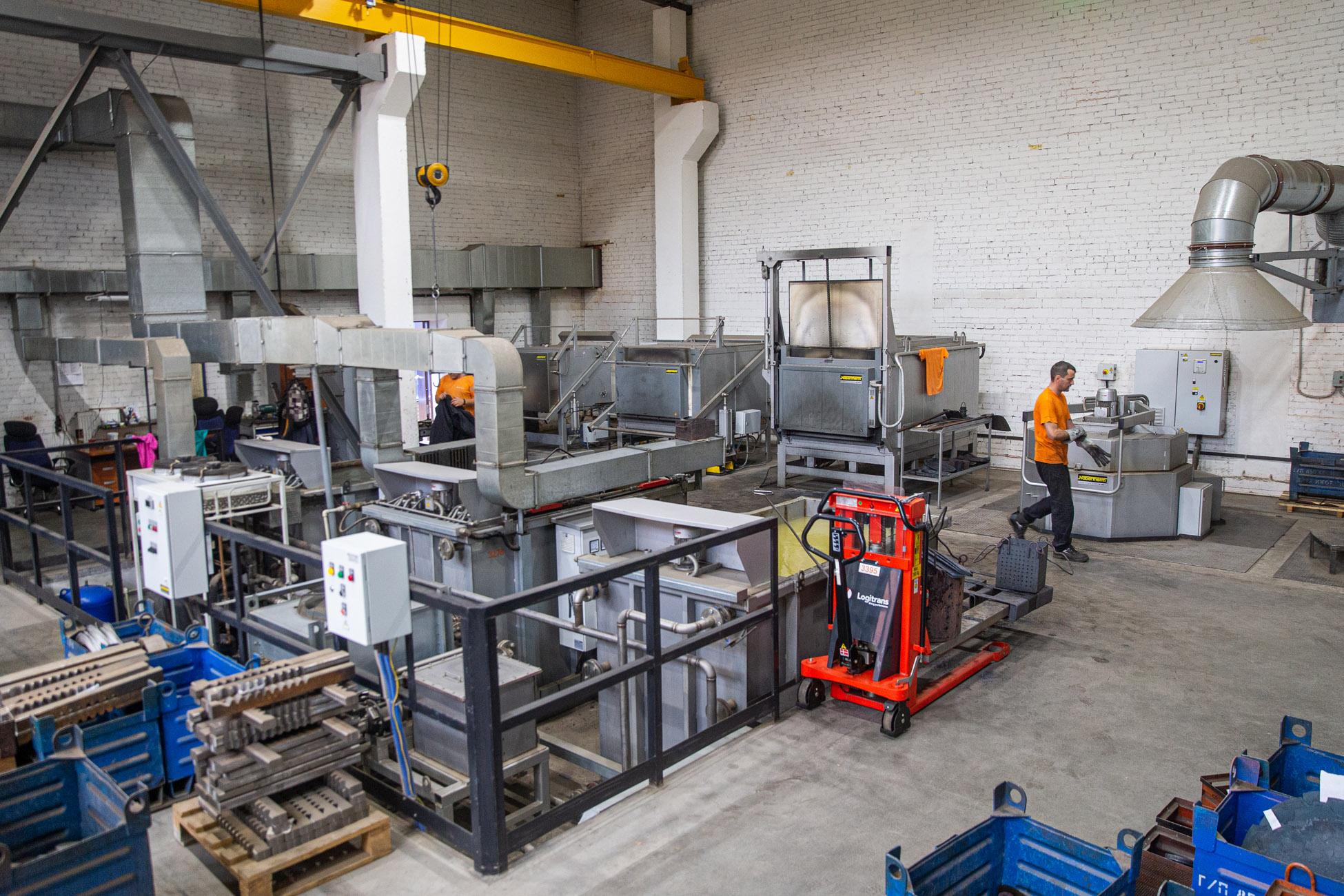
Introduction to Metal Treatment Service
A metal treatment service is a specialized industrial process used to improve the durability, appearance, and performance of metal components. From automotive parts to household appliances and heavy machinery, metals are treated to resist corrosion, enhance strength, and extend service life. In modern manufacturing, metal treatment plays a critical role in ensuring that products can withstand harsh environments and long-term usage without losing functionality or quality.
What is Metal Treatment Service?
Metal treatment refers to a wide range of surface engineering processes designed to modify the outer layer of metal objects. These processes can include cleaning, polishing, coating, heat treatment, and chemical treatment. The primary goal is to enhance physical and chemical properties such as hardness, corrosion resistance, and wear resistance.
Industries rely on metal treatment services to ensure that raw metal components are transformed into high-performance materials ready for real-world applications. Without proper treatment, metals can rust, weaken, or degrade quickly when exposed to moisture, heat, or friction.
Types of Metal Treatment Processes
There are several methods used in metal treatment, depending on the desired outcome:
1. Heat Treatment
Heat treatment involves heating and cooling metals under controlled conditions to alter their physical structure. This improves hardness, ductility, and strength.
2. Surface Coating
Surface coating methods apply protective layers such as paint, powder coating, or chemical films to prevent corrosion and wear.
3. Chemical Treatment
Chemical processes clean and prepare metal surfaces for further finishing or improve resistance to oxidation.
4. Mechanical Finishing
Processes like polishing, grinding, and blasting are used to enhance surface smoothness and appearance.
Among these techniques, Electroplating service is one of the most widely used and effective methods for surface enhancement.
Importance of Electroplating in Metal Treatment
The Electroplating service is a crucial part of modern metal treatment service operations. It involves coating a metal surface with a thin layer of another metal using an electric current. This process improves corrosion resistance, reduces friction, and enhances aesthetic appeal.
For example, industries use electroplating to coat steel parts with zinc, chromium, or nickel. This not only increases durability but also gives the product a polished, professional finish. In automotive, aerospace, and electronics industries, electroplating ensures that components perform efficiently under extreme conditions.
Additionally, the Electroplating service helps improve conductivity in electrical components, making it essential for manufacturing circuit boards and connectors.
Benefits of Metal Treatment Service
A professional metal treatment service offers numerous advantages:
- Corrosion Resistance: Protects metals from rust and environmental damage
- Improved Strength: Enhances durability and load-bearing capacity
- Better Appearance: Provides a smooth, polished, and attractive finish
- Extended Lifespan: Reduces wear and tear over time
- Cost Efficiency: Minimizes replacement and maintenance costs
These benefits make metal treatment essential for industries aiming to improve product quality and performance.
Applications Across Industries
Metal treatment services are widely used in various industries, including:
- Automotive manufacturing (engine parts, gears, and body components)
- Construction industry (steel beams, structural frameworks)
- Electronics (connectors, circuits, and conductive parts)
- Aerospace engineering (high-strength, lightweight components)
- Home appliances (decorative and functional metal parts)
In each of these sectors, surface treatment ensures reliability and safety.
Choosing the Right Metal Treatment Provider
Selecting a reliable metal treatment service provider is crucial for achieving high-quality results. Key factors to consider include:
- Experience and technical expertise
- Advanced machinery and technology
- Quality control standards
- Range of services offered, including Electroplating service
- Environmental compliance and safety practices
A professional provider ensures that every component meets industrial standards and performs efficiently in its intended application.
Future Trends in Metal Treatment
The future of metal treatment is evolving with advancements in nanotechnology, automation, and eco-friendly processes. Industries are increasingly focusing on sustainable solutions that reduce chemical waste and energy consumption. Smart coatings and advanced electrochemical processes are also becoming more common, improving efficiency and precision.
Conclusion
A metal treatment service is essential for enhancing the durability, functionality, and appearance of metal components across industries. With processes like heat treatment, coating, and Electroplating service, manufacturers can ensure superior product quality and long-lasting performance. As technology continues to advance, metal treatment will remain a key part of industrial innovation and material engineering.

 Arabic
 French
 Spanish
 Portuguese
 Deutsch
 Turkish
 Dutch
Dutch
 Italiano
 Russian
 Romaian
 Portuguese (Brazil)
 Greek
Greek