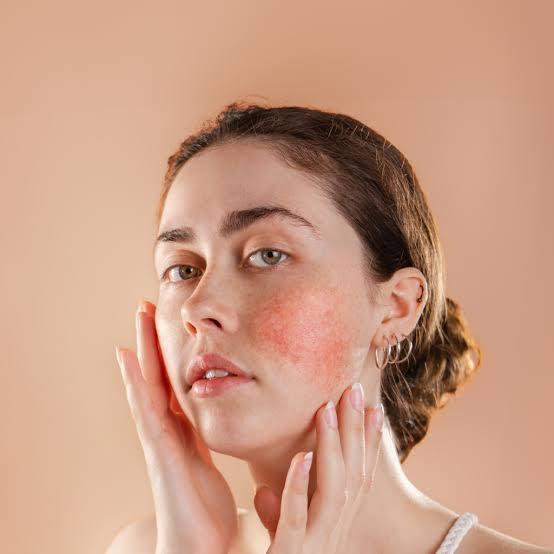
Rosacea is a chronic skin condition that often appears as persistent redness, visible blood vessels, and occasional flare-ups that can affect confidence and comfort in daily life. Many people struggle for years without fully understanding what is happening to their skin, which leads to frustration and trial-and-error skincare routines. With increasing awareness and better dermatological understanding, more individuals are now exploring effective and personalized solutions for long-term skin improvement. In recent years, Rosacea Treatment In Islamabad has become a commonly searched topic among those seeking structured care plans tailored to sensitive skin needs and environmental triggers that are common in the region.
Understanding Rosacea and Its Skin Behavior
Rosacea is more than just temporary redness; it is a long-term inflammatory skin condition that tends to fluctuate over time. It often begins with mild flushing and gradually becomes more noticeable if not properly managed. The condition primarily affects the central face, including the cheeks, nose, forehead, and chin. Unlike acne, rosacea does not typically involve blackheads, although it may include acne-like bumps in some cases.
The exact cause of rosacea is not fully understood, but it is believed to involve a combination of genetic and environmental factors. Blood vessel sensitivity, immune system reactions, and skin barrier dysfunction all play a role. Because of its complex nature, understanding individual skin behavior is essential before starting any treatment approach.
Common Symptoms and Early Warning Signs
Rosacea presents differently from person to person, which makes early identification important. Some individuals experience frequent facial flushing that feels warm or burning, while others notice persistent redness that does not fade easily. Small visible blood vessels may appear on the skin’s surface, especially around the nose and cheeks.
In more advanced cases, the skin may become swollen or develop small red bumps that resemble acne. Eye irritation can also occur, leading to dryness or sensitivity. These symptoms often come and go in cycles, making it difficult for individuals to identify patterns without proper observation.
Recognizing these signs early can help in preventing progression and maintaining better skin stability over time.
Triggers That Can Worsen Skin Flare-Ups
One of the most challenging aspects of rosacea is its sensitivity to everyday triggers. These triggers vary widely, but some of the most common include exposure to heat, spicy foods, stress, sun exposure, and harsh skincare products. Even sudden temperature changes can lead to noticeable flushing.
Environmental conditions also play a significant role. Dust, pollution, and humidity can aggravate the skin, especially when the skin barrier is already compromised. Understanding personal triggers is essential because avoiding them can significantly reduce flare-ups and improve overall skin comfort.
Approaches to Managing Sensitive Skin in Islamabad
Managing rosacea requires a gentle and consistent approach rather than aggressive skincare routines. The goal is to calm inflammation, strengthen the skin barrier, and reduce flare-up frequency. In many cases, individuals begin by switching to mild, fragrance-free cleansers and moisturizers designed for sensitive skin.
Sun protection is another crucial step, as UV exposure is one of the most common aggravating factors. Lightweight sunscreen formulations are often recommended to protect without clogging pores or causing irritation.
In addition to skincare, lifestyle adjustments play a key role. Stress management techniques such as breathing exercises or light physical activity can help reduce internal triggers that contribute to skin sensitivity. Over time, these combined efforts help improve skin resilience.
Importance of Consistent Skincare Habits
Consistency is one of the most important factors in managing rosacea effectively. Irregular skincare routines or frequent product switching can disrupt the skin barrier and lead to increased sensitivity. A simple, structured routine is usually more effective than complex regimens.
Gentle cleansing, regular moisturizing, and daily sun protection form the foundation of a stable skincare routine. It is also important to avoid exfoliants or strong active ingredients unless specifically suitable for sensitive skin. Patience is key, as visible improvements often take time.
Environmental and Lifestyle Considerations
Living in a climate with seasonal extremes can make rosacea management more challenging. Hot summers, cold winters, and varying humidity levels can all influence skin behavior. In such conditions, adapting skincare routines according to weather changes becomes essential.
Diet also plays a role in skin health. Spicy foods, caffeine, and alcohol are known triggers for some individuals, while a balanced diet rich in antioxidants may support overall skin resilience. Hydration is equally important, as well-hydrated skin tends to be less reactive.
When Professional Guidance Becomes Helpful
Although many individuals manage mild symptoms with lifestyle changes, persistent or worsening conditions may require structured evaluation. Professional guidance can help identify specific triggers, rule out similar skin conditions, and recommend targeted care strategies.
A personalized approach is often more effective because rosacea varies significantly from person to person. What works for one individual may not work for another, making tailored care essential for long-term improvement.
FAQs
What is rosacea and how does it start
Rosacea is a chronic skin condition that typically begins with facial flushing and gradually develops into persistent redness and sensitivity.
Can rosacea be completely cured
There is currently no permanent cure, but symptoms can be effectively managed with proper skincare and lifestyle adjustments.
What are the most common triggers
Heat, spicy foods, stress, sun exposure, and harsh skincare products are among the most common triggers.
Is rosacea the same as acne
No, rosacea is different from acne, although it may include acne-like bumps without blackheads.
How long does it take to see improvement
Improvement varies, but with consistent care, many individuals notice changes within a few weeks to months.
Managing rosacea requires patience, awareness, and a balanced approach that supports the skin rather than stressing it further. Understanding personal triggers and maintaining a gentle skincare routine can significantly improve comfort and appearance over time. With increasing awareness of Rosacea Treatment In Islamabad, individuals are now more equipped to explore structured, skin-friendly strategies that focus on long-term stability rather than short-term fixes, ultimately helping them achieve calmer and healthier-looking skin.

 English
 Arabic
 French
 Spanish
 Portuguese
 Deutsch
 Turkish
 Dutch
Dutch
 Italiano
 Russian
 Romaian
 Greek
Greek