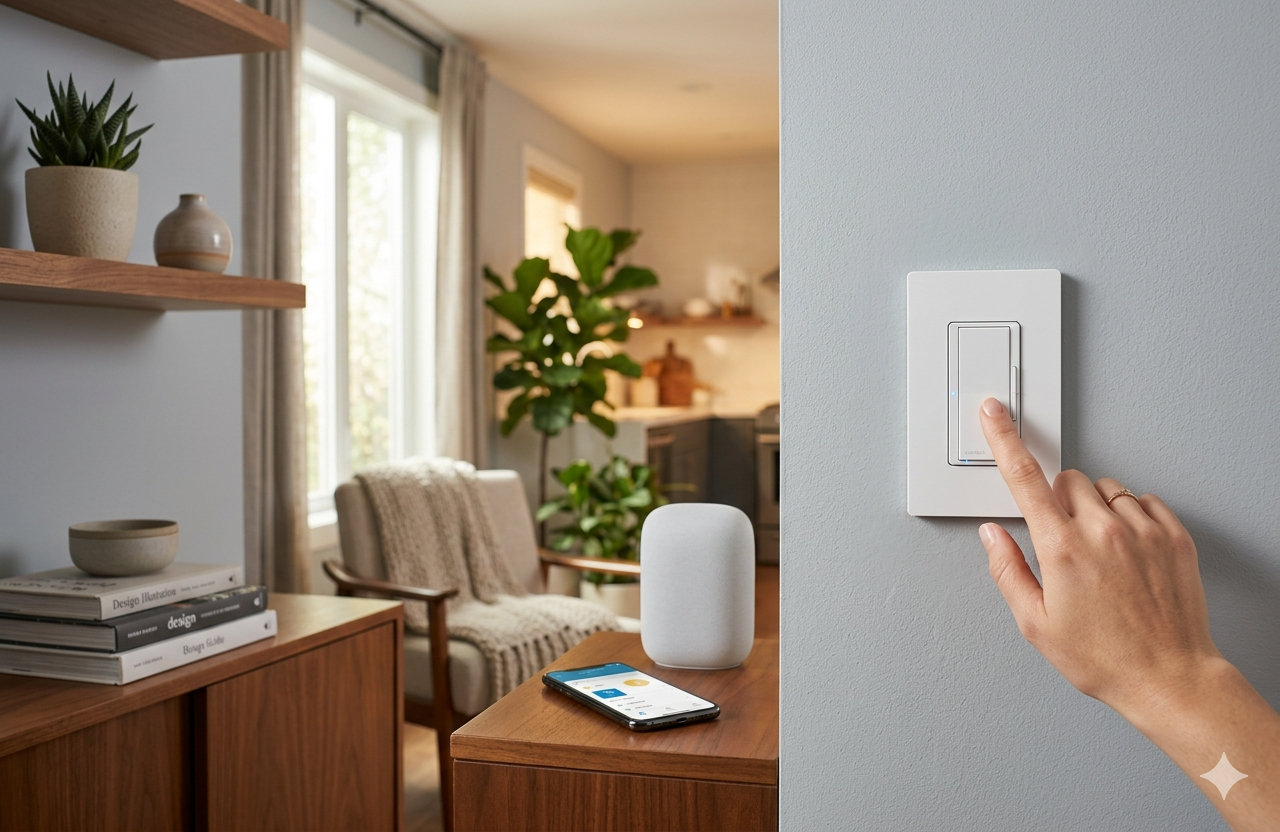
Technology has transformed the way people live, work, and manage their homes. One of the most useful innovations in home automation is smart switches. These advanced electrical switches allow users to control lights, fans, and appliances remotely through smartphones, voice assistants, or automated schedules. As smart homes become more popular, smart switches are quickly turning into an essential feature for modern households.
Whether you want better convenience, improved energy efficiency, or enhanced security, smart switches provide practical solutions for everyday living. They are suitable for homes, offices, hotels, and commercial buildings where automation and remote access are becoming increasingly important.
This article explains everything about smart switches, including their features, benefits, types, installation process, and how to choose the best option for your needs.
What Are Smart Switches
Smart switches are advanced electrical switches that connect to a WiFi network or smart home system. Unlike traditional switches that only work manually, smart switches can be controlled remotely through mobile applications or voice commands.
These switches allow users to turn electrical devices on or off from anywhere. Some models also include dimming options, scheduling features, energy monitoring, and automation settings.
Smart switches are commonly used for:
- Lighting control
- Ceiling fans
- Air conditioners
- Water pumps
- Home appliances
- Outdoor lighting systems
They are designed to improve comfort and make home management easier and more efficient.
How Smart Switches Work
Smart switches connect to a wireless network through WiFi, Zigbee, Bluetooth, or Z-Wave technology. Once connected, they communicate with a smartphone app or smart assistant such as Google Assistant or Amazon Alexa.
Users can:
- Turn devices on or off remotely
- Create automatic schedules
- Control devices using voice commands
- Monitor electricity usage
- Set timers for appliances
For example, a user can schedule living room lights to turn on automatically at sunset or switch off all appliances while away from home.
Main Features of Smart Switches
Remote Access
One of the biggest advantages of smart switches is remote control functionality. Users can manage electrical devices from anywhere using a mobile app.
This feature is especially useful when:
- Forgetting to switch off lights
- Traveling away from home
- Managing office equipment remotely
Voice Control
Most smart switches are compatible with voice assistants. Users can simply speak commands such as:
- Turn on bedroom lights
- Switch off the fan
- Dim the living room lights
Voice control adds convenience and improves accessibility for elderly users and people with disabilities.
Scheduling and Automation
Smart switches allow users to create schedules for appliances and lighting systems.
Examples include:
- Automatically switching on outdoor lights at night
- Turning off geysers after a specific time
- Activating security lights during evening hours
Automation reduces energy waste and saves electricity costs.
Energy Monitoring
Some advanced smart switches provide real-time energy monitoring. Users can track electricity consumption directly from their smartphones.
This helps homeowners:
- Reduce unnecessary energy usage
- Identify high-power devices
- Lower monthly electricity bills
Smart Home Integration
Smart switches work with home automation systems and can integrate with:
- Smart bulbs
- Security cameras
- Motion sensors
- Smart thermostats
This creates a complete smart home ecosystem for better convenience and control.
Benefits of Smart Switches
Improved Convenience
Smart switches simplify daily tasks by eliminating the need for manual operation. Users can control multiple devices with a single tap or voice command.
Better Energy Efficiency
By automating appliances and lights, smart switches help reduce electricity consumption. Timers and scheduling prevent devices from running unnecessarily.
Enhanced Home Security
Smart switches improve security by allowing homeowners to control lights remotely. Scheduled lighting can make it appear as if someone is at home even when the house is empty.
Modern Home Experience
Installing smart switches adds a modern and premium feel to homes. They combine advanced technology with stylish designs suitable for contemporary interiors.
Increased Property Value
Homes equipped with smart technology often attract higher market value because buyers appreciate automation and energy-saving features.
Types of Smart Switches
WiFi Smart Switches
WiFi smart switches connect directly to the internet without requiring a separate hub. They are easy to install and commonly used in residential properties.
Advantages:
- Easy setup
- Direct smartphone control
- Affordable pricing
Zigbee Smart Switches
Zigbee switches require a compatible hub for operation. They are highly reliable and ideal for large smart home systems.
Advantages:
- Faster communication
- Stable connectivity
- Suitable for multiple devices
Bluetooth Smart Switches
Bluetooth smart switches operate without internet access but have limited control range.
Advantages:
- Simple pairing
- No WiFi dependency
- Good for small spaces
Touch Smart Switches
Touch switches feature sleek glass panels and modern designs. Users operate them by touching the surface instead of pressing traditional buttons.
Advantages:
- Stylish appearance
- Easy cleaning
- Premium feel
Dimmer Smart Switches
These switches allow brightness adjustment for lights. Users can create different lighting moods and save energy.
Advantages:
- Adjustable brightness
- Comfortable lighting
- Reduced power consumption
Smart Switches for Different Applications
Residential Use
Homeowners use smart switches for:
- Bedroom lighting
- Kitchen appliances
- Air conditioning systems
- Outdoor lights
Office Automation
Businesses install smart switches to automate:
- Conference room lighting
- Office equipment
- Security systems
Hotels and Commercial Buildings
Hotels use smart switches to improve guest convenience and reduce electricity usage through automated controls.
Things to Consider Before Buying Smart Switches
Compatibility
Always check whether the smart switch is compatible with:
- Existing wiring
- Smart assistants
- Mobile operating systems
Internet Connectivity
Stable WiFi is important for smooth performance. Weak internet signals can affect switch response time.
Build Quality
Choose smart switches made from durable and fire-resistant materials for safety and long-term reliability.
Brand Reputation
Reliable brands usually provide better software support, warranty coverage, and product durability.
Installation Requirements
Some smart switches require a neutral wire for installation. It is important to check your home wiring before purchasing.
Installation Process of Smart Switches
Installing smart switches usually involves replacing traditional wall switches with smart versions.
Basic installation steps include:
- Turn off the power supply
- Remove the old switch
- Connect wires to the smart switch
- Secure the switch on the wall
- Connect the switch to the mobile app
Although some users install switches themselves, professional electricians are recommended for safe and proper installation.
Common Challenges with Smart Switches
Internet Dependency
WiFi-based smart switches may not function properly during internet outages.
Initial Cost
Smart switches are more expensive than traditional switches, but long-term energy savings often justify the investment.
Compatibility Issues
Some older homes may require wiring upgrades for smart switch installation.
Future of Smart Switches
The future of smart switches looks promising as smart home technology continues to grow. Manufacturers are introducing advanced features such as:
- Artificial intelligence integration
- Gesture controls
- Advanced energy analytics
- Improved automation systems
Smart switches are expected to become more affordable and widely adopted in homes and businesses worldwide.
Why Smart Switches Are Worth the Investment
Although smart switches may seem expensive initially, they offer long-term value through convenience, security, and energy efficiency. They help users manage electrical systems more effectively while reducing unnecessary electricity consumption.
For homeowners interested in modern living, smart switches provide a practical and future-ready solution.
Conclusion
Smart switches have become an important part of modern home automation systems. They offer remote access, voice control, energy savings, and improved convenience for residential and commercial users alike. With multiple types and features available, homeowners can choose smart switches according to their specific needs and budget.
As technology continues to evolve, smart switches will play an even bigger role in creating smarter, safer, and more energy-efficient homes. Investing in smart switches today can improve comfort, simplify daily routines, and prepare homes for the future of automation.

 Arabic
 French
 Spanish
 Portuguese
 Deutsch
 Turkish
 Dutch
Dutch
 Italiano
 Russian
 Romaian
 Portuguese (Brazil)
 Greek
Greek