Introduction
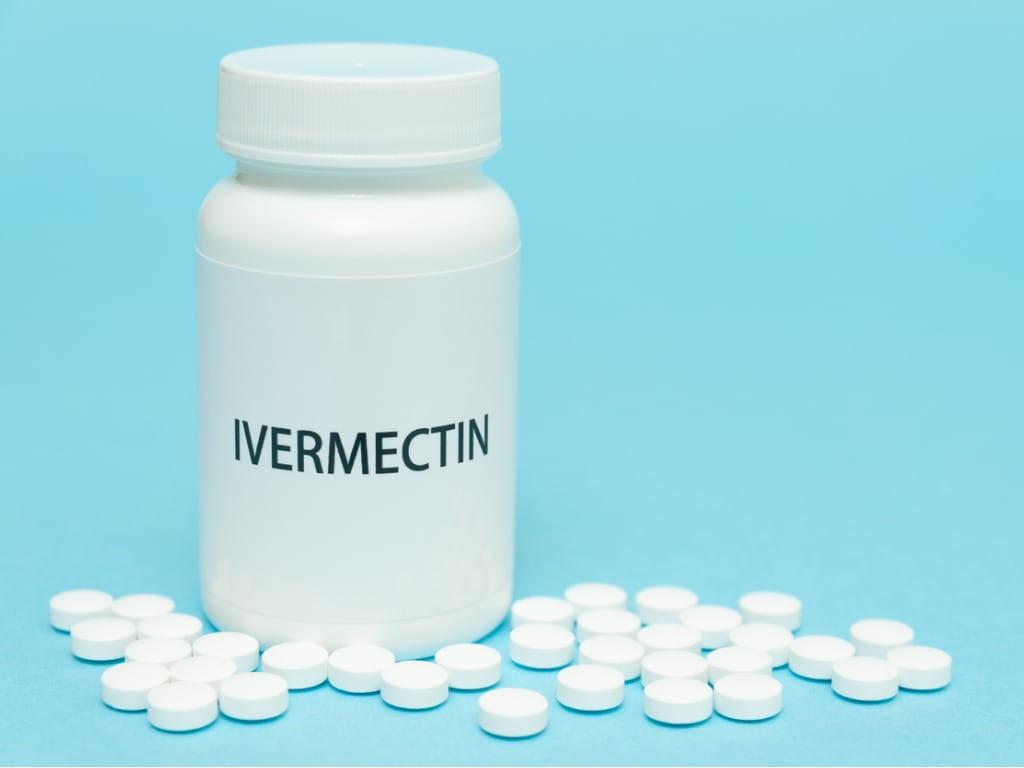
Ivermectin is a widely known medication that has been used in human medicine for decades. Originally developed to treat parasitic infections, Ivermectin for humans has played a major role in improving global health, especially in regions where parasitic diseases are common. Over time, however, ivermectin has also become the subject of controversy and misinformation—particularly during the COVID-19 pandemic.
This blog explores what ivermectin is, how it works, its approved uses, potential side effects, and important safety considerations for human use.
What Is Ivermectin?
Ivermectin is an antiparasitic medication that belongs to a class of drugs called avermectins. It was first introduced in the late 20th century and has since been used extensively in both humans and animals.
In humans, ivermectin is prescribed in controlled doses to treat specific parasitic infections. It is available in oral tablets, topical creams, and lotions depending on the condition being treated.
How Does Ivermectin Work?
Ivermectin works by targeting the nervous system of parasites. It binds to specific channels in the parasite’s nerve and muscle cells, causing paralysis and eventually death of the parasite.
Importantly, these mechanisms affect parasites much more than human cells, which is why ivermectin can be used safely in humans when taken at prescribed doses.
Approved Uses of Ivermectin in Humans
1. Parasitic Infections
Ivermectin is most commonly used to treat infections caused by parasites, including:
- Onchocerciasis (river blindness): A disease caused by parasitic worms transmitted through insect bites.
- Strongyloidiasis: An intestinal infection caused by roundworms.
- Scabies: A skin condition caused by mites that burrow into the skin.
- Head lice: Ivermectin lotion is sometimes used when other treatments fail.
These uses are supported by strong clinical evidence and are approved by health authorities in many countries.
2. Mass Drug Administration Programs
In some parts of the world, ivermectin is used in large-scale public health programs to control parasitic diseases. This has significantly reduced the prevalence of conditions like river blindness and lymphatic filariasis.
Off-Label and Controversial Uses
Ivermectin and COVID-19
During the COVID-19 pandemic, ivermectin gained attention as a potential treatment. However, major health organizations such as the World Health Organization (WHO) and the U.S. Food and Drug Administration (FDA) have stated that there is insufficient evidence to support its use for COVID-19 treatment or prevention.
Many studies showed conflicting or low-quality results, and some early research was later withdrawn due to errors or ethical concerns. As a result, ivermectin is not recommended for COVID-19 outside of controlled clinical trials.
Dosage and Administration
The dosage of ivermectin depends on the condition being treated, body weight, and medical history.
- It is usually taken as a single oral dose or a short course.
- It should be taken on an empty stomach with water unless otherwise directed.
- Topical formulations are used for skin conditions like scabies or lice.
Self-medication or incorrect dosing can be dangerous, so ivermectin should always be taken under medical supervision.
Side Effects of Ivermectin
Like any medication, ivermectin can cause side effects. Most are mild, but some can be serious.
Common Side Effects
- Dizziness
- Nausea
- Diarrhea
- Fatigue
- Skin rash
Serious Side Effects
- Low blood pressure
- Severe allergic reactions
- Neurological effects (confusion, seizures in rare cases)
In some cases, symptoms may result from the body’s reaction to dying parasites rather than the drug itself.
Safety and Precautions
1. Not for Everyone
Certain individuals should use ivermectin with caution or avoid it entirely:
- Pregnant or breastfeeding women
- Young children (depending on weight)
- People with liver disease
- Individuals taking certain medications that may interact with ivermectin
2. Human vs. Veterinary Ivermectin
One critical safety issue is the misuse of veterinary ivermectin products. These formulations are designed for animals and may contain much higher doses or different inactive ingredients that are not safe for humans.
Using animal ivermectin can lead to serious toxicity, including overdose.
3. Drug Interactions
Ivermectin can interact with other medications, such as:
- Blood thinners
- Sedatives
- Certain antibiotics
Always inform your healthcare provider about any medications or supplements you are taking.
Importance of Medical Guidance
Despite its effectiveness for certain conditions, ivermectin is not a universal treatment. Taking it without proper diagnosis and medical supervision can lead to:
- Incorrect treatment
- Delayed diagnosis of the real condition
- Harmful side effects
Healthcare professionals determine whether ivermectin is appropriate based on clinical evidence and individual patient needs.
Conclusion
Ivermectin is a valuable medication in modern medicine, especially for treating parasitic infections. Its benefits are well-established when used correctly and under medical supervision. However, misuse—particularly for unapproved conditions—can be ineffective or even harmful.
Understanding what ivermectin can and cannot do is essential for making informed health decisions. Always consult a qualified healthcare provider before using ivermectin or any prescription medication.
Final Thoughts
In an era of rapidly spreading information, it is important to rely on credible medical guidance rather than trends or unverified claims. Ivermectin remains an important drug—but only when used appropriately, safely, and for the right reasons.
For Information : Generic Medicine Store

 Arabic
 French
 Spanish
 Portuguese
 Deutsch
 Turkish
 Dutch
Dutch
 Italiano
 Russian
 Romaian
 Portuguese (Brazil)
 Greek
Greek