In any industrial or commercial setup, piping systems quietly play one of the most critical roles. Whether it’s transporting water, chemicals, or gases, the reliability of these systems directly impacts safety, efficiency, and long-term costs. Yet, pipes are often overlooked—until something goes wrong.
That’s where PPH pipes and fittings step in as a modern, dependable solution. Built for strength, resistance, and longevity, these systems are increasingly becoming the preferred choice for industries that simply cannot afford failure.
If you’ve ever dealt with corrosion, leakage, or high maintenance costs in traditional piping systems, you’ll understand why PPH is gaining so much attention.
What Exactly Are PPH Pipes and Fittings?
Let’s break it down in simple terms.
PPH pipes are made from polypropylene homopolymer, a type of plastic material known for its toughness and ability to handle challenging environments. Unlike ordinary plastics, this material is specially engineered to perform under pressure, resist chemicals, and maintain structural integrity over time.
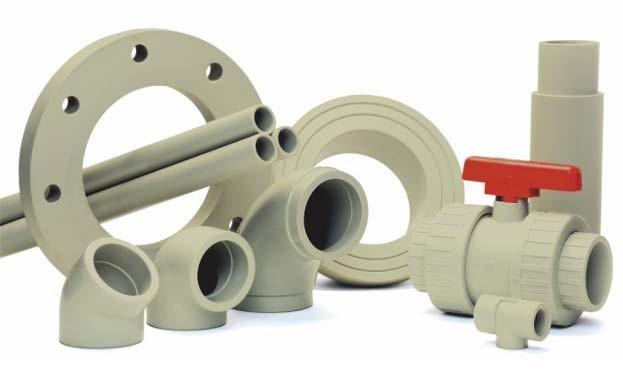
Fittings, on the other hand, are the connectors of the piping world. They guide direction, connect sections, and ensure smooth flow. Think of elbows, tees, reducers, and valves—they all work together to create a complete system.
When combined, PPH pipes and fittings form a highly efficient, leak-resistant network that can handle everything from industrial chemicals to treated water.
Why Industries Are Shifting Toward PPH
The move toward PPH piping isn’t just a trend—it’s a response to real-world challenges. Traditional materials like metal often corrode, while some plastics may not withstand high temperatures or aggressive chemicals.
PPH strikes a balance that few materials can match.
Built to Resist Corrosion
One of the biggest advantages of PPH is its resistance to corrosion. Unlike metal pipes that rust over time, PPH pipes remain unaffected even when exposed to harsh chemicals. This means fewer breakdowns, fewer replacements, and less stress overall.
Handles Heat with Ease
Many industries deal with temperature fluctuations. PPH pipes can comfortably handle both hot and cold fluids without losing their shape or strength, making them suitable for demanding environments.
Long Life, Less Worry
No one wants to constantly repair or replace pipelines. With proper installation, PPH systems can last decades. That’s not just convenient—it’s cost-effective in the long run.
Lightweight but Strong
Despite being incredibly strong, PPH pipes are surprisingly lightweight. This makes transportation, handling, and installation much easier compared to heavy metal alternatives.
Energy Efficiency
Because of their low thermal conductivity, PPH pipes help maintain the temperature of the fluids inside them. This reduces energy loss, especially in systems where temperature control is important.
A Closer Look at PPH Fittings
A piping system is only as good as its connections. That’s where fittings come into play.
PPH fittings are designed to create secure, leak-proof joints. They are available in various forms, each serving a specific purpose:
-
Elbows help change the direction of flow
-
Tees allow branching into multiple directions
-
Reducers adjust pipe sizes when needed
-
Couplings connect pipe sections seamlessly
-
Flanges provide strong, detachable joints
-
Valves control the flow within the system
What makes these fittings special is how well they integrate with PPH pipes. Using techniques like fusion welding, the joints become almost as strong as the pipe itself.
Where You’ll Find PPH Pipes in Action
PPH piping systems are incredibly versatile. You’ll find them working behind the scenes in many industries:
Chemical Processing Plants
Handling aggressive chemicals requires materials that won’t degrade. PPH pipes provide a safe and reliable solution for transporting acids, alkalis, and other substances.
Water Treatment Facilities
Clean water is essential, and PPH pipes help ensure it stays that way. They are widely used in filtration, desalination, and wastewater treatment systems.
Pharmaceutical Manufacturing
In environments where purity is critical, PPH pipes offer a non-toxic and contamination-free solution.
Food and Beverage Industry
Hygiene is non-negotiable in this sector. PPH pipes meet the standards required for safe fluid transfer.
Industrial Ventilation Systems
Beyond liquids, PPH pipes are also used to transport gases and manage airflow in industrial setups.
Sustainable Water Management
From rainwater harvesting to recycling systems, PPH plays a role in promoting environmentally friendly practices.
Comparing PPH with Traditional Materials
If you’ve worked with steel or PVC piping, you’ll immediately notice the difference.
-
Metal pipes may offer strength, but they are prone to rust and require constant maintenance.
-
PVC pipes are affordable but may not handle high temperatures or aggressive chemicals effectively.
PPH bridges these gaps. It combines durability with chemical resistance and long-term reliability, making it a smarter investment for modern infrastructure.
Installation Made Simple
One of the reasons engineers and contractors prefer PPH is its ease of installation.
Because the pipes are lightweight, they’re easier to transport and handle on-site. Joining methods like socket fusion and butt fusion create strong, seamless connections without the need for complicated tools.
The result? Faster installation, reduced labor costs, and a system that performs reliably from day one.
Maintenance: Minimal but Important
While PPH pipes require far less maintenance than traditional materials, regular inspection is still a good practice.
The good news is that issues like scaling, corrosion, or chemical damage are rare. This means fewer interruptions and more consistent performance over time.
Choosing the Right Supplier Matters
Even the best materials won’t perform well if they’re not manufactured to high standards. That’s why choosing a trusted supplier is crucial.
When sourcing PPH pipes and fittings, it’s important to work with companies that prioritize quality, precision, and customer support. A reliable supplier ensures that every component meets industry standards and performs as expected.
For businesses looking to invest in durable and efficient piping systems, exploring options from can be a valuable step toward long-term reliability.
The Future of Piping Systems
As industries continue to evolve, the need for smarter, more sustainable solutions becomes increasingly important.
PPH pipes and fittings align perfectly with this shift. They offer durability without environmental compromise, efficiency without excessive cost, and reliability without constant maintenance.
With ongoing advancements in material science, PPH systems are only expected to improve further—becoming even more efficient and widely adopted across industries.
Final Thoughts
At the end of the day, a piping system isn’t just about moving fluids—it’s about ensuring safety, efficiency, and peace of mind.
PPH pipes and fittings deliver on all these fronts. They solve common problems associated with traditional materials while offering a future-ready solution for modern applications.
Whether you’re managing a large industrial facility or planning a new infrastructure project, choosing the right piping system can make all the difference. And with PPH, you’re not just choosing pipes—you’re choosing reliability, durability, and long-term value.

 English
 Arabic
 French
 Spanish
 Portuguese
 Deutsch
 Turkish
 Dutch
Dutch
 Italiano
 Russian
 Portuguese (Brazil)
 Greek
Greek