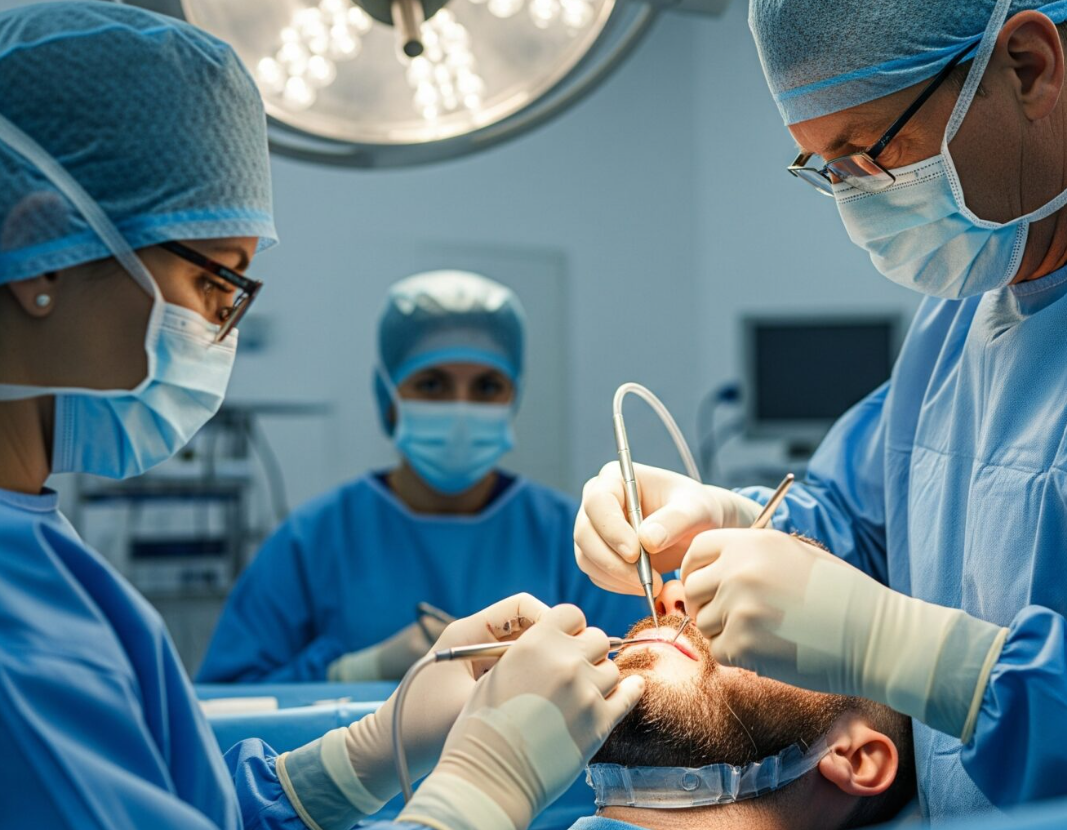
Beard hair transplant has become a widely discussed option among men who struggle with patchy or uneven facial hair growth. While beards have long been associated with style, identity, and cultural expression, not everyone naturally develops full facial hair. Genetics, hormonal imbalances, scarring, or medical conditions can all contribute to inconsistent beard growth, leading some individuals to consider medical solutions.
At its core, a beard transplant is a surgical procedure that involves extracting hair follicles from a donor area—usually the back of the scalp—and implanting them into the beard region. These follicles are carefully placed to match the natural direction and density of facial hair. The process requires precision and planning, as facial hair grows at different angles depending on the area, such as the cheeks, chin, and jawline.
One of the reasons this procedure has gained attention is the increasing importance of personal grooming. Facial hair trends have shifted over the years, and a well-defined beard is often seen as a sign of maturity and style. However, it’s worth noting that opting for a transplant is not just about aesthetics. For some, it addresses deeper concerns related to self-image or the desire to restore hair lost due to injury or surgery.
The procedure itself is typically performed under local anesthesia and may take several hours depending on the extent of coverage required. After the transplant, the implanted hairs initially shed within a few weeks, which is a normal part of the cycle. New growth usually begins within a few months, gradually becoming thicker and more consistent over time.
Recovery plays a crucial role in the overall outcome. Mild swelling, redness, or scabbing in the treated area is common during the first week. Proper aftercare, including gentle cleaning and avoiding direct sun exposure, helps support healing. Most individuals can resume normal activities within a short period, although full results may take up to a year to fully develop.
It’s also important to consider expectations. A transplant does not instantly create a dense beard overnight. Instead, it offers a gradual improvement that depends on factors like hair quality, skin condition, and adherence to post-procedure guidelines. Consulting a qualified specialist and understanding the realistic outcomes can make a significant difference in satisfaction.
While trends in grooming continue to evolve, the decision to undergo a beard hair transplant remains a personal one. It reflects a balance between individual preferences, medical considerations, and long-term commitment to care. For those exploring options for fuller facial hair, understanding the process and its implications is an essential first step toward making an informed choice about beard hair transplant.

 English
 Arabic
 French
 Spanish
 Portuguese
 Deutsch
 Turkish
 Dutch
Dutch
 Italiano
 Russian
 Romaian
 Portuguese (Brazil)