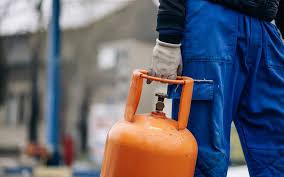
Flammable gases are a common part of many industrial, laboratory, and manufacturing environments. From propane and acetylene to hydrogen and natural gas, these substances are essential for operations but can become deadly if mishandled. Even a small leak or accidental spark can escalate into a fire or explosion, putting lives and property at risk.
For professionals responsible for workplace safety, including those considering a Safety Course, understanding how to handle these gases safely is not optional. Knowledge of proper storage, handling, and emergency response procedures can significantly reduce hazards, ensure compliance, and protect employees. This article provides practical guidance for managing flammable gases effectively while maintaining a safe work environment.
Understanding Flammable Gas Hazards
Flammable gases can ignite easily when exposed to heat, sparks, or static electricity. Recognizing common hazards is the first step in prevention:
-
Leaks: Even tiny leaks can create explosive atmospheres in confined areas.
-
Ignition sources: Electrical equipment, open flames, and static electricity can trigger fires.
-
Poor ventilation: Accumulated gases in enclosed spaces increase fire risk.
-
Improper storage: Using unsuitable containers or storing gases in high-temperature areas can lead to accidents.
Example: A small metal fabrication workshop experienced a hydrogen leak due to an unsecured valve. Quick recognition and proper ventilation prevented a major explosion, highlighting the importance of routine checks and awareness.
Key Safety Practices for Handling Flammable Gases
1. Safe Storage
-
Store cylinders upright, secured, and in ventilated areas.
-
Separate flammable gases from oxidizers to prevent chemical reactions.
-
Ensure containers are clearly labeled and inspected regularly for damage.
2. Personal Protective Equipment (PPE)
-
Use flame-resistant clothing, gloves, and safety goggles.
-
Respiratory protection may be required for confined spaces or areas with limited airflow.
3. Leak Detection and Maintenance
-
Regularly inspect valves, regulators, and hoses for signs of wear or leakage.
-
Install gas detection systems in high-risk areas.
-
Conduct soapy water tests for quick identification of leaks.
4. Controlling Ignition Sources
-
Prohibit smoking and open flames in gas-handling areas.
-
Ensure all electrical equipment is spark-proof and intrinsically safe.
-
Minimize static electricity by grounding containers and workers where possible.
Practical Steps for Workplace Safety
1.Checklist for Employees
-
Verify cylinders are upright and secure before use.
-
Ensure all PPE is worn correctly.
-
Perform a leak check before operating equipment.
-
Confirm ventilation systems are functioning.
-
Report any unusual smells or signs of damage immediately.
2.Emergency Response Actions
-
Evacuate affected areas safely and quickly.
-
Alert the designated safety officer or supervisor.
-
Use appropriate fire extinguishers (Class B) for gas fires.
-
Avoid attempting repairs unless trained and equipped.
Training and Professional Development
Effective handling of flammable gases goes beyond equipment and PPE. Proper training equips employees to anticipate hazards and act safely. Enrolling in a Safety Course provides:
-
Knowledge of gas properties and workplace hazards
-
Practical skills for fire prevention, leak detection, and emergency response
-
Insights into regulatory standards and compliance measures
For professionals seeking comprehensive credentials, programs aligned with NEBOSH standards can enhance both safety expertise and career opportunities. Understanding the Safety Course fee in Pakistan helps plan enrollment while accessing reputable training institutes that offer practical, hands-on learning.
FAQs
Q1: What gases are considered flammable in workplaces?
A1: Common flammable gases include hydrogen, acetylene, propane, methane, and natural gas. Each requires specific handling procedures.
Q2: How can I detect gas leaks safely?
A2: Use gas detectors, perform regular visual inspections, and conduct soapy water tests to identify leaks without using flames.
Q3: What PPE is essential when handling flammable gases?
A3: Flame-resistant clothing, safety goggles, gloves, and respiratory protection in confined or poorly ventilated spaces.
Q4: How often should gas-handling areas be inspected?
A4: At least weekly for routine inspections, with daily checks in high-risk or heavily used areas.
Q5: Are safety courses necessary for all employees?
A5: Yes, especially for those handling or supervising flammable gases, as training significantly reduces accident risk.
Conclusion
Handling flammable gases safely is a critical responsibility in any industrial or laboratory environment. Through proper storage, PPE usage, leak monitoring, and emergency preparedness, workplaces can prevent accidents and protect personnel. Professional training through a Safety Course, particularly programs aligned with NEBOSH standards, empowers employees with the knowledge and skills to maintain safe operations.
Prioritizing these practices ensures a secure, compliant, and efficient workplace, minimizing risks and safeguarding lives.

 English
 Arabic
 French
 Spanish
 Portuguese
 Deutsch
 Turkish
 Italiano
 Russian
 Romaian
 Portuguese (Brazil)
 Greek
Greek