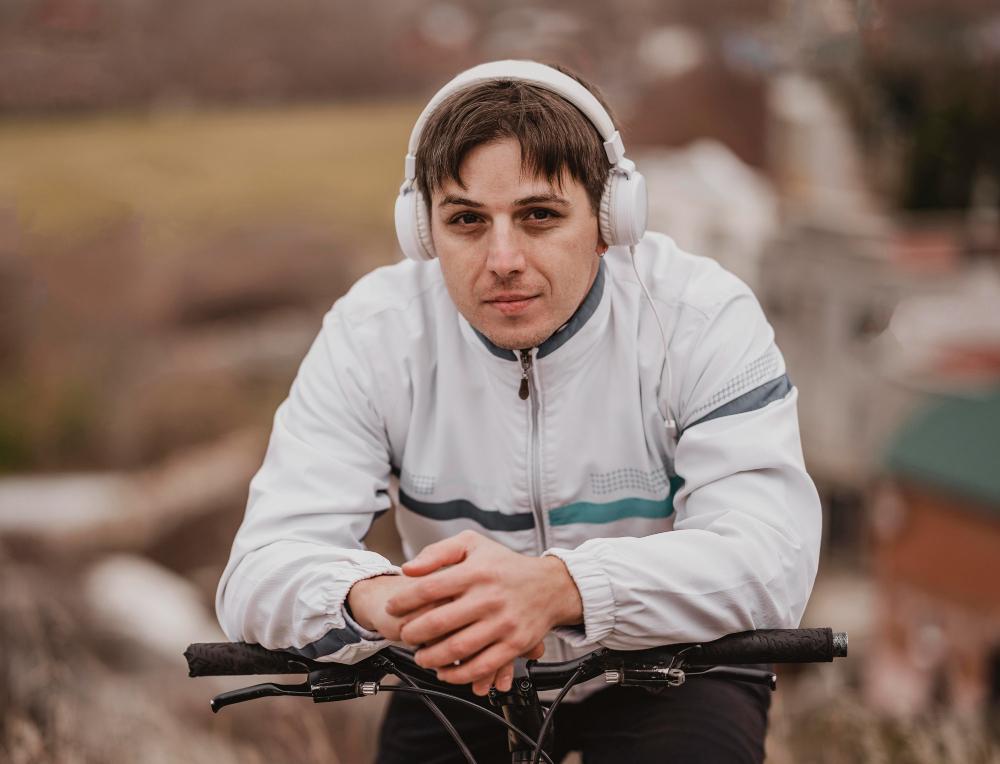
In the high-performance B2B athletic apparel market of 2026, the Men Long Sleeve Cycling Jacket has evolved from a simple seasonal layer into a complex piece of "kinetic equipment." For retailers, club distributors, and specialized cycling brands, the challenge is no longer just offering weather protection—it is about managing the micro-climate of a high-output athlete across varying altitudes and intensities.
The "problem" currently facing the wholesale sector is the prevalence of "pseudo-technical" jackets. These garments often look the part on a mannequin but fail during a high-cadence climb or a fast descent. When a B2B buyer stocks a jacket that traps sweat like a greenhouse or "parachutes" at high speeds, the result is a cascade of returns and a tarnished reputation within the vocal cycling community. As industry experts, we have identified the critical technical bottlenecks in the production of the Men Long Sleeve Cycling Jacket and the engineering solutions required to maintain a premium market position.
1. The "Boil-in-the-Bag" Syndrome: Solving Breathability Failures
The most frequent complaint among serious cyclists is a jacket that is waterproof but lacks the vapor transmission rate needed to exhaust metabolic heat.
-
The Problem: Many mass-market manufacturers use low-cost TPU (Thermoplastic Polyurethane) laminates. While these are effective at blocking rain, they have a low Moisture Vapor Transmission Rate (MVTR). This leads to internal condensation, leaving the rider "wet from the inside out," which can cause rapid cooling during descents.
-
The Expert Solution: Sourcing should prioritize Hydrophilic Monolithic Membranes or microporous PTFE-free laminates with an MVTR of at least 20,000 g/m²/24h. For a premium Men Long Sleeve Cycling Jacket, incorporate laser-cut underarm vents and a "mechanical stretch" back panel. This allows the garment to breathe where the rider sweats most, ensuring they stay dry even during Zone 4 efforts.
2. The "Parachute" Effect: Engineering the Aero-Dynamic Fit
A common failure in B2B cycling apparel is a "standard" athletic cut that ignores the unique ergonomics of the cycling position.
-
The Problem: Many jackets are cut too short in the back and too long in the front. When the rider is "in the drops," the front fabric bunches up, creating aerodynamic drag, while the lower back is left exposed to road spray. Furthermore, loose sleeve cuffs flap in the wind, wasting the rider’s wattage.
-
The Expert Solution: Implement Aggressive Race-Fit Patterning. The jacket should feature a "dropped tail" (extended rear hem) with a silicone gripper to prevent sliding. The sleeves should be pre-curved to follow the arm's natural bend, and the front panel should be shortened to eliminate bunching when bent over the bars. In 2026, the B2B gold standard is a "second-skin" silhouette that offers protection without the drag.
3. Thermal Volatility: The Mid-Weight Insulation Gap
Cycling in 2026 often involves "transitional weather" where a heavy winter coat is too warm, but a thin windbreaker is insufficient.
-
The Problem: Retailers often struggle with "binary" inventory—either paper-thin shells or bulky thermal coats. This leaves a gap for the high-intensity rider who needs core warmth but needs to shed heat from their extremities.
-
The Expert Solution: Utilize Zoned Thermal Mapping. The Men Long Sleeve Cycling Jacket should utilize a windproof, fleece-lined membrane on the chest and leading edges of the arms, while using a lighter, breathable "Roubaix" fabric on the side panels and back. This "hybrid" construction allows the jacket to regulate the rider's core temperature while facilitating heat dump during high-intensity intervals.
4. Visibility and Road Safety: The LSI Integration of Reflectivity
Safety is a primary driver for the modern B2B cycling buyer, but many reflective elements are an afterthought.
-
The Problem: Traditional reflective "dots" or strips often crack and peel after limited wash cycles. Furthermore, they are often placed in "blind spots" that aren't visible to motorists from the side.
-
The Expert Solution: Integrate 360-Degree Reflective Pixel Technology. This involves weaving reflective threads directly into the fabric or using large-scale glass-bead transfers on the lower back and sleeve ends. For a professional-grade jacket, the reflectivity should be part of the aesthetic—subtle in daylight but high-visibility under headlights.
B2B Technical Comparison: Standard vs. Elite Cycling Jacket
| Technical Feature | Standard Wholesale Tier | Elite Professional Tier |
| Waterproof Rating | 5,000mm (Basic) | 15,000mm+ (Storm-Proof) |
| Breathability (MVTR) | 5,000 g/m² (Low) | 20,000 g/m²+ (High-Performance) |
| Patterning | Straight / Boxy Cut | 3D Pre-Curved / Race-Fit |
| Hem Detail | Simple Elastic | Silicone Power-Gripper (Extended Tail) |
| Zippers | Generic Nylon | YKK Vislon® with Storm Flap |
5. The Sustainability and PFC Mandate
In 2026, B2B procurement is strictly governed by chemical safety and environmental impact standards.
-
The Problem: Many "DWR" (Durable Water Repellent) coatings traditionally used "forever chemicals" (PFCs) that are now being banned in several major markets.
-
The Expert Solution: Ensure your Men Long Sleeve Cycling Jacket uses PFC-Free DWR treatments (CO or C6 alternatives). Pairing this with GRS-Certified recycled polyester made from post-consumer waste allows your B2B clients to meet their ESG targets while providing a top-tier technical product.
Conclusion: Leading with Technical Truth
Succeeding in the cycling apparel market in 2026 requires more than just a "waterproof" label. By solving the technical hurdles of breathability, aerodynamic fit, and thermal zoning, you provide your B2B clients with equipment that enhances the ride rather than hindering it.
The modern cyclist is data-driven and uncompromising. When your jacket delivers on its technical promises, your brand’s growth becomes as consistent as a perfectly tuned drivetrain.

 English
 Arabic
 French
 Spanish
 Portuguese
 Deutsch
 Dutch
Dutch
 Italiano
 Russian
 Romaian
 Portuguese (Brazil)
 Greek
Greek