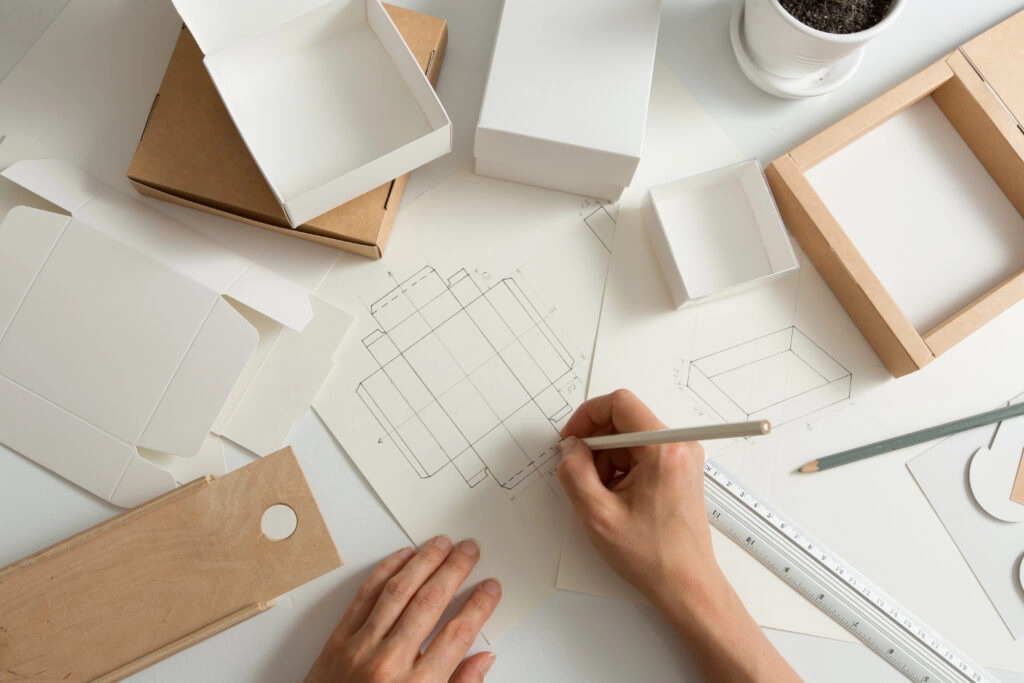
In today’s highly competitive marketplace, creative retail packaging has become one of the most powerful branding tools available. Packaging is no longer just about protecting a product—it plays a crucial role in attracting attention, communicating brand values, and influencing purchasing decisions. Well-designed retail packaging can turn a simple product into a memorable brand experience.
This article explores the latest trends, materials, and smart strategies that help businesses elevate their brand through creative retail packaging.
Why Creative Retail Packaging Matters
Retail shelves are crowded. Consumers often make purchasing decisions within seconds. Creative packaging helps products:
-
Stand out from competitors
-
Create strong first impressions
-
Communicate brand identity
-
Increase perceived value
-
Encourage impulse purchases
Packaging acts as a silent salesperson, influencing customer perception before they even experience the product itself.
Latest Trends in Creative Retail Packaging
1. Minimalist Yet Bold Designs
Clean layouts with bold typography and simple color schemes create a modern, premium look. Less clutter allows key messages to stand out clearly.
2. Sustainable and Eco-Friendly Packaging
Consumers are more environmentally conscious than ever. Brands are shifting toward recyclable materials, compostable packaging, and reduced plastic usage.
3. Interactive Packaging
QR codes, augmented reality features, and scannable experiences allow customers to engage digitally with brands directly from the package.
4. Transparent and Window Packaging
Die-cut windows or transparent panels let customers see the product inside, building trust and increasing confidence in quality.
5. Personalized Packaging
Variable printing technology allows brands to create limited editions, region-specific designs, or customer-personalized packaging.
Materials That Make an Impact
Choosing the right material is essential for both protection and presentation. Popular options include:
Corrugated Cardboard
Durable and ideal for shipping-heavy retail products. It offers strength while remaining cost-effective.
Folding Cartons (Paperboard)
Lightweight and highly printable, perfect for cosmetics, food, and pharmaceuticals.
Rigid Boxes
Used for luxury items such as electronics, perfumes, and jewelry. They provide a premium feel and strong structure.
Kraft Paper
A popular sustainable choice that conveys an eco-friendly brand image.
Flexible Packaging
Pouches and wraps offer convenience, lightweight benefits, and vibrant printing possibilities.
Each material choice should align with brand positioning and target audience expectations.
Creative Strategies to Elevate Your Brand
1. Tell a Story
Use packaging to share your brand story, mission, or values. Emotional connection drives customer loyalty.
2. Focus on Unboxing Experience
Especially important for e-commerce brands, a memorable unboxing experience encourages social media sharing and repeat purchases.
3. Use High-Quality Finishes
Techniques such as embossing, foil stamping, spot UV, matte lamination, and soft-touch coatings enhance perceived value.
4. Design for Functionality
Creative packaging must also be practical. Easy-open features, resealable closures, and protective inserts improve user satisfaction.
5. Maintain Brand Consistency
Ensure consistent color palettes, fonts, logos, and messaging across all packaging formats to build strong brand recognition.
The Role of Packaging in Consumer Psychology
Creative packaging taps into consumer psychology by:
-
Triggering curiosity
-
Building trust through transparency
-
Creating emotional appeal
-
Reinforcing product quality
-
Establishing brand authority
Visually appealing packaging can justify premium pricing and increase perceived product value.
Balancing Creativity and Cost
While creativity is essential, it must align with budget constraints. Businesses should consider:
-
Production quantity
-
Printing method (digital vs. offset)
-
Material selection
-
Shipping weight and dimensions
-
Long-term scalability
Smart planning ensures creative packaging remains cost-effective and profitable.
Sustainability as a Competitive Advantage
Sustainable packaging is not just a trend—it is a long-term strategy. Brands that adopt eco-conscious packaging practices can:
-
Reduce environmental impact
-
Strengthen brand reputation
-
Attract environmentally aware consumers
-
Comply with evolving regulations
Creative retail packaging can be both innovative and environmentally responsible.
Final Thoughts
The power of creative retail packaging lies in its ability to merge design, functionality, and brand storytelling into one cohesive experience. As consumer expectations continue to evolve, brands that invest in thoughtful, innovative packaging will stand out in crowded markets. By leveraging modern trends, choosing impactful materials, and implementing smart strategies, businesses can elevate their brand presence and turn packaging into a true competitive advantage.

 English
 Arabic
 French
 Portuguese
 Deutsch
 Turkish
 Dutch
Dutch
 Italiano
 Russian
 Romaian
 Portuguese (Brazil)
 Greek
Greek